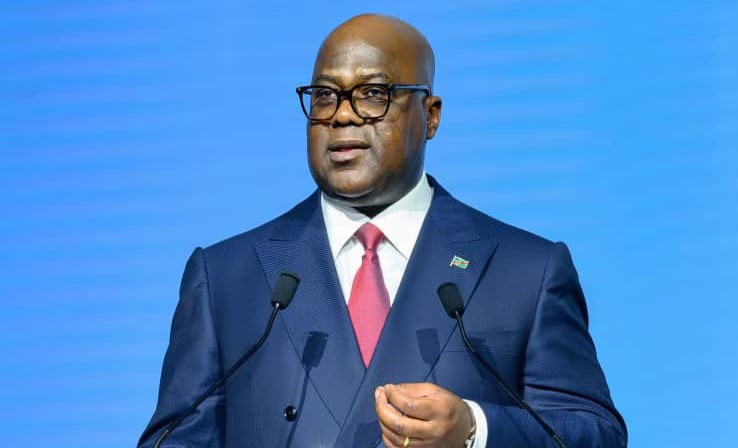
During a high-level gathering in N’Djamena, the Congolese President highlighted his country’s vast water resources while emphasizing the urgent need to convert these assets into tangible benefits for citizens.
Ambitious continental goals for water and sanitation
The Democratic Republic of the Congo (DR Congo) has set a clear roadmap to transform its water and sanitation sectors. By 2035, the government aims to ensure that 60% of the population has reliable access to clean drinking water. This ambitious target is part of a broader strategy that also includes 50% coverage for sanitation and hygiene services within the same timeframe.
To reinforce social development, authorities are targeting 80% access to adequate water, sanitation, and hygiene (WASH) facilities in schools and health centers by 2035. This initiative seeks to curb waterborne diseases and elevate living standards across the country.
Ensuring reliable water, sanitation, and hygiene infrastructure in 80% of schools and health facilities is a top priority. These institutions serve as critical entry points for public health interventions and education on hygiene practices.
Collaborative financing for sustainable water infrastructure
Kinshasa is not tackling these challenges alone. The government is mobilizing a multi-stakeholder approach, combining public funding, private investment, and international partnerships to bridge the infrastructure gap. By fostering these collaborations, the DR Congo hopes to accelerate the development of sustainable water and sanitation systems nationwide.
Five pillars to revolutionize Africa’s water sector
The Congolese leader outlined a five-point strategy to address water management challenges across the continent:
- Policy integration: Aligning national and regional water policies to create cohesive frameworks.
- Strong governance: Building efficient institutions with robust accountability and transparent management of water resources.
- Project readiness: Developing technically sound and financially viable projects to attract investment.
- Local industrialization: Establishing a thriving African water industry to reduce import dependency.
- Strategic financing: Mobilizing capital through well-structured, bankable projects to fund critical infrastructure.
The President stressed the importance of developing local manufacturing capacities for essential water sector equipment. He called for increased production of pipes, pumps, meters, treatment systems, irrigation solutions, and digital water management tools within Africa. This shift, he argued, would not only cut reliance on imports but also spur job creation and industrial growth.
He emphasized that success depends on meticulous planning and execution. Only projects that are technically robust, financially structured, and aligned with market demands will secure the necessary funding to drive sector transformation. The goal is clear: more access, stronger governance, and a self-sustaining African water industry.