French Prime Minister Sébastien Lecornu arrived in Rabat on Wednesday, July 15, leading a high-level delegation of twelve ministers. As several agreements are expected to be signed during this visit, the trip also coincides with heightened attention on human rights issues after Moroccan authorities initiated legal proceedings against a journalist and an artist.
a shifting dynamic in west africa
When French Prime Minister Sébastien Lecornu touched down in Rabat, he was not just visiting a close ally but stepping into a region where Morocco’s influence continues to expand. Since the early 2010s, Rabat has steadily increased its footprint across West Africa, often filling the void left by France as it recalibrates its presence in the Sahel.
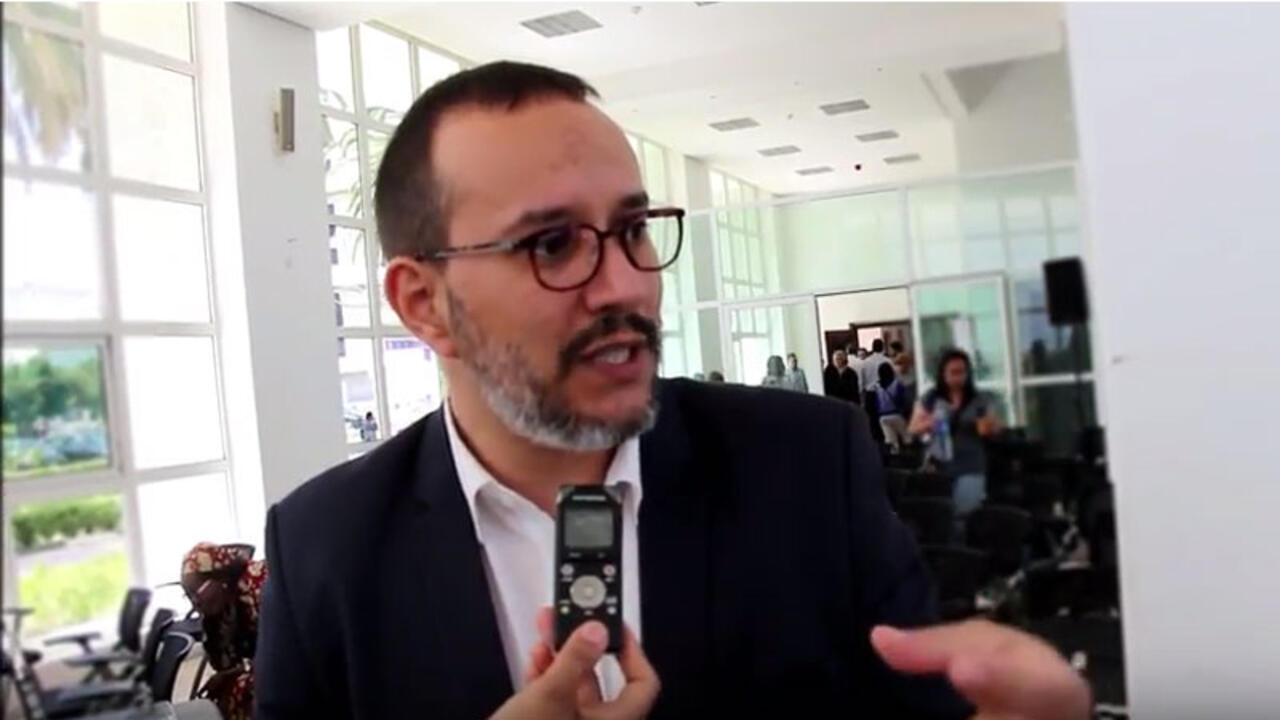
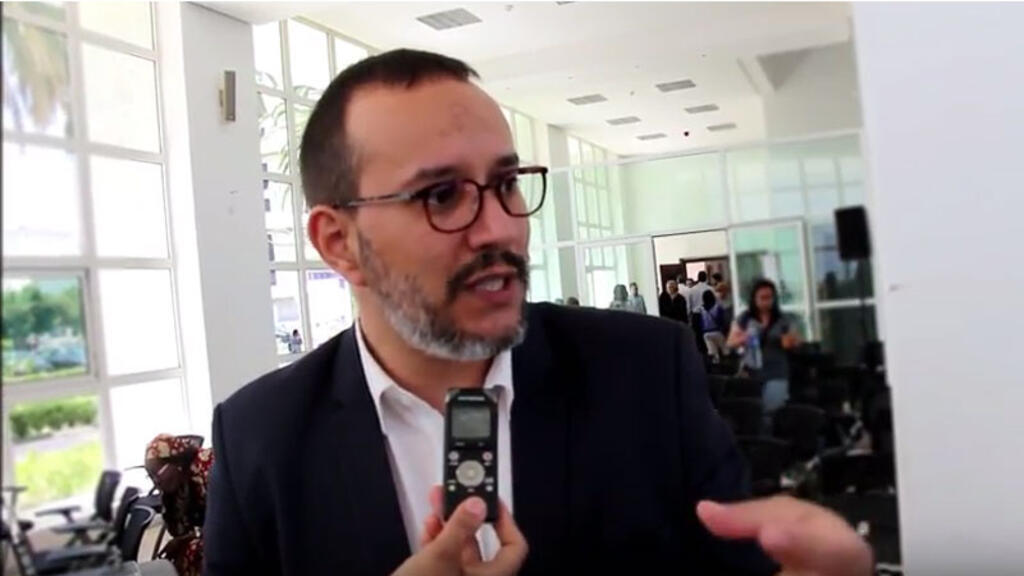
Mehdi Alioua, a sociologist at the International University of Rabat and Chair of Migrations, Mobilities, and Cosmopolitanism, argues that Morocco’s role in the region is not about rivalry but strategic positioning. While many Moroccan investments are structured as joint ventures with French companies, Rabat has also launched independent initiatives that have reshaped its diplomatic profile in Africa.
diplomatic ambitions beyond partnerships
Mehdi Alioua: “Yes and no. No, because a significant portion of Moroccan investments are carried out in joint ventures with French firms or in coordination with French diplomacy. There is strong South-South cooperation that also benefits from North-South ties between Rabat and Paris. But yes, because Morocco has gone further with fully Moroccan-led investments, backed by a clear diplomatic vision championed by the King: an African policy for Africa.”
The Sahel, in particular, has become a focal point where France’s relations with the Alliance of Sahel States (AES) have faced strain. Morocco, with its deep historical ties to the region, sees an opportunity to act as a bridge.
Alioua emphasizes that the deterioration in relations is primarily political rather than societal. He points out that while anti-French sentiment has been fueled by populist rhetoric in some Sahelian capitals, ordinary citizens—particularly those with French ties—often maintain strong personal connections.
The sociologist adds, “Morocco shares millennia-old relationships with Sahelian countries, predating Islam and evolving through trade, culture, and shared history. These ties are rooted in dynasties like the Almoravids, whose influence stretched from Spain to present-day Mali and Guinea. Morocco’s diplomacy has long understood how to navigate these connections.”
human rights concerns amidst progress
Recent legal actions against prominent figures—Franco-Moroccan journalist Ali Lmrabet and rapper Mehdi Black Wind—have raised questions about Morocco’s commitment to press freedom and artistic expression. While authorities insist these cases are handled independently by the judiciary, concerns persist.
Alioua: “It’s always concerning when journalists or artists face imprisonment. In principle, justice operates independently here, and those accused have the right to defend themselves. Ali Lmrabet has been released but remains under investigation. The situation with Mehdi Black Wind is less clear, but human rights organizations are mobilizing. Morocco has made remarkable strides in recent years regarding human rights, though old reflexes occasionally resurface.”
can Morocco rival France’s soft power in africa?
While Morocco’s influence in Africa is undeniable, Alioua cautions that it does not yet match France’s historical soft power. The Kingdom’s appeal is growing, particularly through initiatives like the African Nations Championship, where Morocco invested heavily in world-class infrastructure. However, this strategy carries risks.
He explains, “The Moroccan youth questioned why so much money was poured into stadiums amid persistent poverty. On the continent, a single incident—a dispute during the final match with Senegal—was enough to shift public opinion against Morocco. Statements claiming Moroccan pitches rival European standards only fueled resentment. Morocco’s approach is still a work in progress; its draw is strong but fragile.”
Alioua concludes, “France will likely remain more attractive than Morocco as long as the Kingdom remains a lower-middle-income country. Only when Morocco achieves greater economic prosperity will it match—or surpass—France’s pull in Africa.”