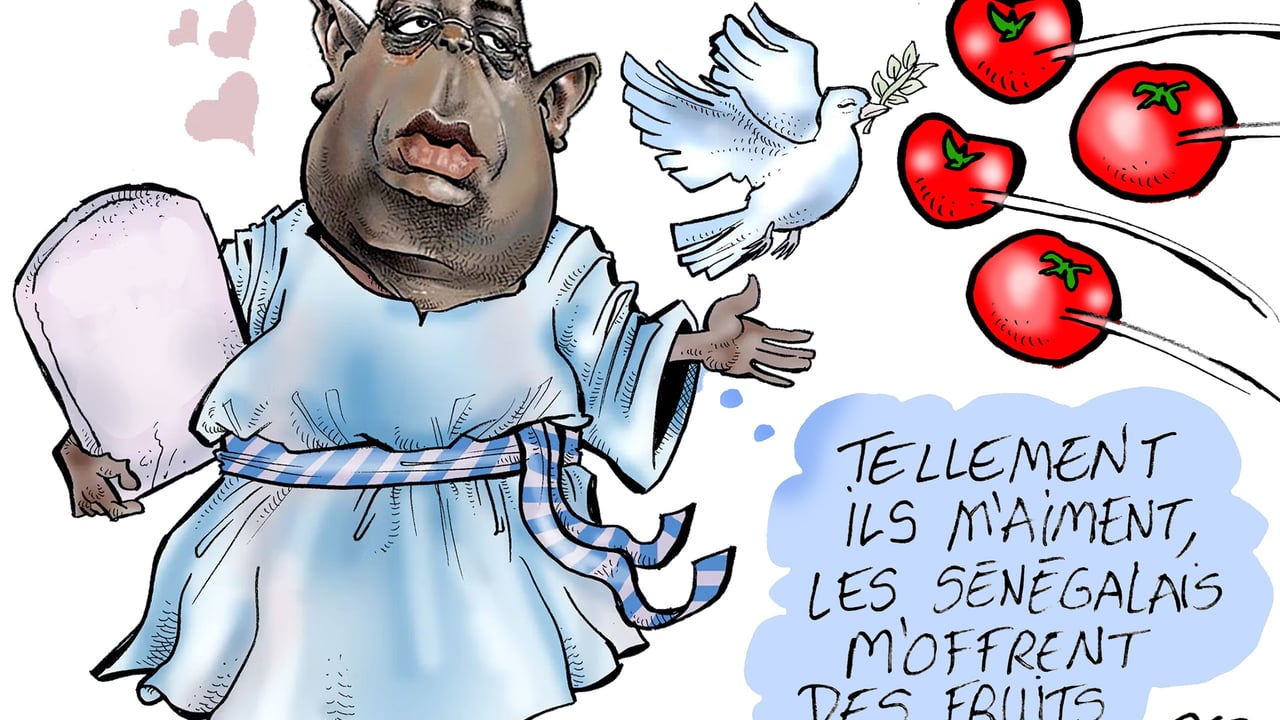
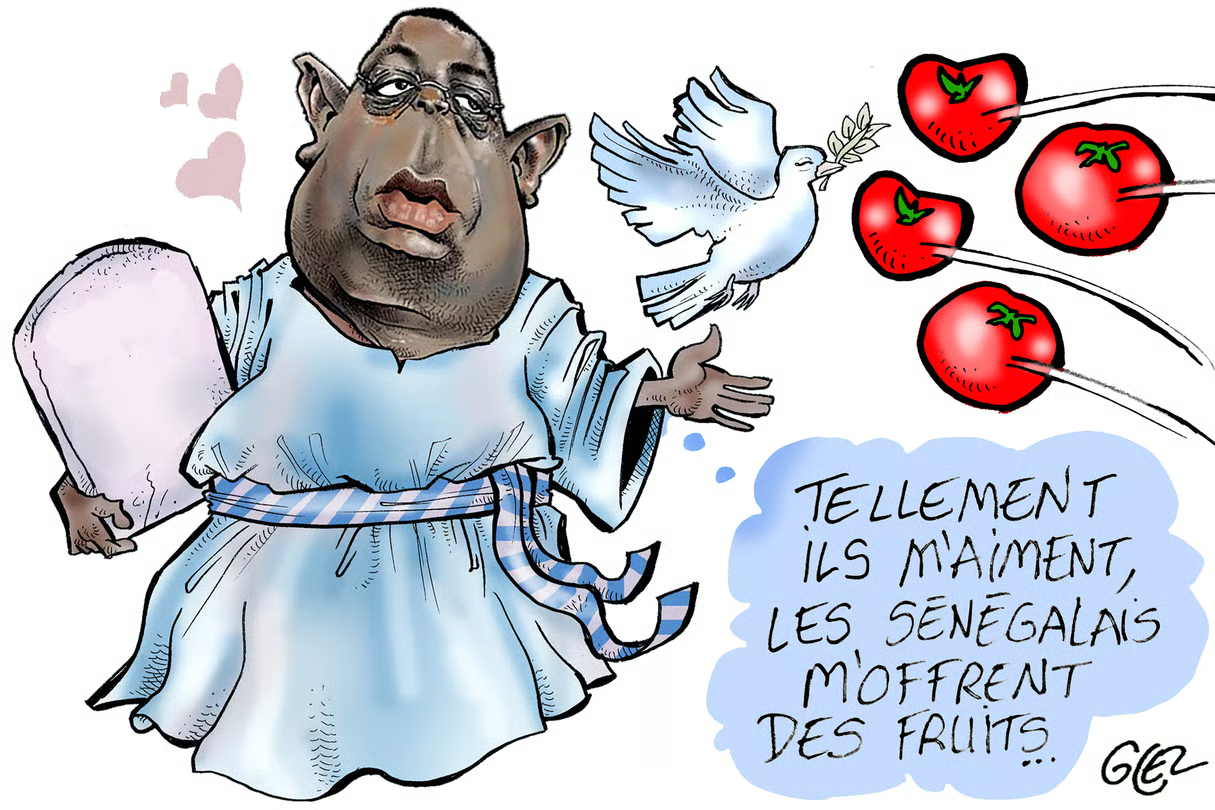
The recent political developments in Senegal have sparked intense reactions across the nation, with President Macky Sall and newly elected leader Bassirou Diomaye Faye at the center of a growing public controversy. Citizens from all walks of life are voicing their concerns, reflecting deep divisions within the country’s social fabric.
The situation escalated after Macky Sall took actions perceived by many as undermining democratic norms, prompting sharp criticism from both local and international observers. Meanwhile, Bassirou Diomaye Faye, who assumed office amid high expectations, now faces the challenge of addressing these grievances while maintaining national stability.
The public outcry has manifested in widespread protests, with demonstrators demanding transparency and accountability from their leaders. Analysts suggest that the tension could reshape Senegal’s political landscape if not managed with care.
Public sentiment and political fallout
The growing discontent has united diverse groups, from urban youth to rural communities, all calling for change. Social media has amplified these voices, with hashtags and viral posts fueling further debate. Many citizens express frustration over perceived attempts to restrict freedoms, while others defend the government’s decisions as necessary for progress.
In Dakar and beyond, the streets have become stages for both peaceful assemblies and sporadic clashes. The government’s response to these demonstrations remains a critical point of contention, with some praising its restraint and others condemning its heavy-handed approach.
International reactions and calls for dialogue
The international community, including the United Nations, has weighed in on the unfolding crisis, urging restraint and constructive dialogue. Diplomatic sources indicate that global partners are closely monitoring the situation, concerned about its potential impact on regional stability in West Africa.
As Senegal navigates this turbulent period, the need for inclusive governance has never been more urgent. The actions taken in the coming weeks will likely determine whether the nation can reconcile its differences or spiral further into division.
The coming days will reveal whether leaders can rise to the occasion or if the country will face deeper unrest. One thing is certain: the decisions made now will leave a lasting imprint on Senegal’s democratic future.