Gabon has officially announced the end of its decades-long fishing agreement with the European Union, marking a significant shift in the country’s maritime resource management. The decision, confirmed by government officials, reflects growing national discussions on sovereignty and sustainable exploitation of marine assets.

Why Gabon is turning its back on the EU fishing deal
The termination of the long-standing fishing pact between Gabon and the European Union has sparked debates across the nation. While the agreement once provided financial benefits and technical support, critics argue it compromised local control over maritime resources. The government now emphasizes the need for self-reliance in marine resource management as a cornerstone of national development.
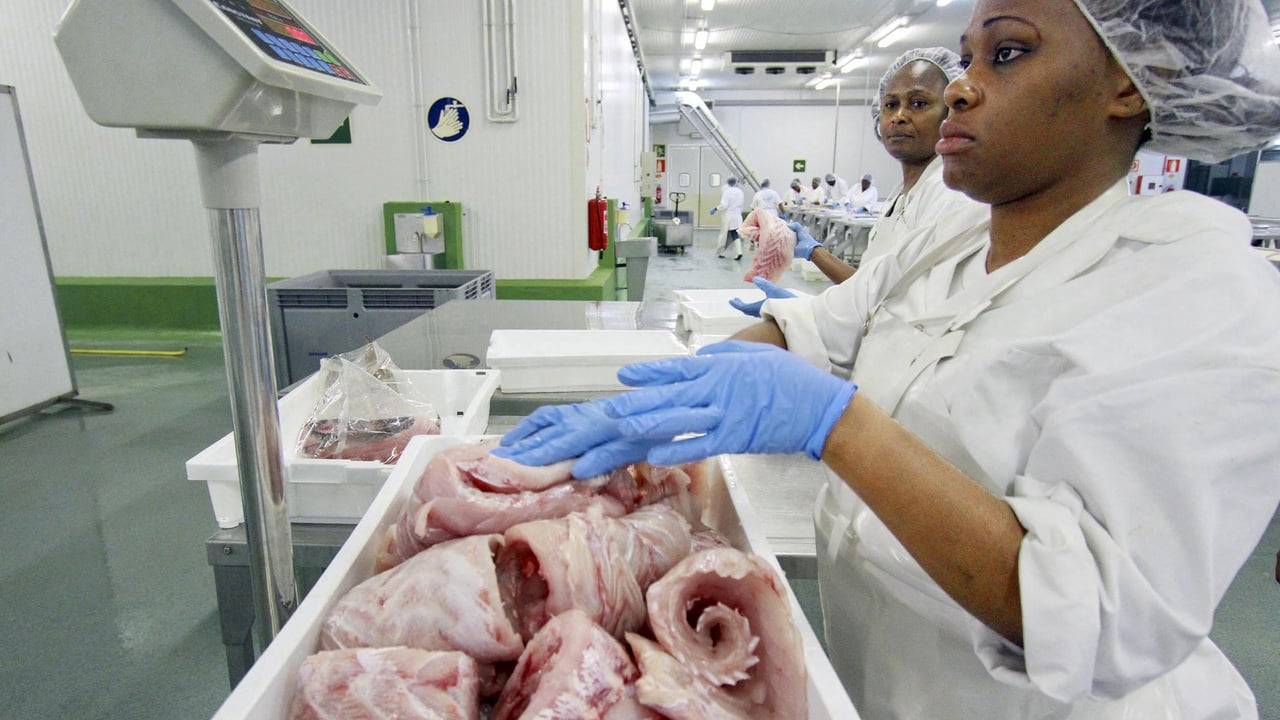
Industry analysts highlight that Gabon’s coastal waters are rich in tuna and other high-value species, making the decision economically strategic. By reclaiming full authority over its fishing zones, Libreville aims to maximize returns while fostering a sustainable domestic fishing sector. This move aligns with broader African maritime sovereignty initiatives gaining traction across the continent.
Economic implications of the decision
- Budgetary impact: Gabon will no longer receive annual EU payments for fishing rights, requiring alternative revenue streams.
- Job creation: The shift could stimulate local employment in fisheries, processing, and export sectors.
- Trade adjustments: Gabon may redirect exports to new markets, reducing dependence on European buyers.
Reactions from fishing industry stakeholders
Local fishermen and industry representatives have mixed views on the decision. Some praise the move as a step toward economic empowerment, while others express concerns about short-term disruptions. A spokesperson for the Gabonese fishing association noted that “this is a bold move that requires careful planning to avoid hurting those who depend on the sea for their livelihoods”.
The government has pledged to invest in modernizing the fishing fleet and enhancing processing infrastructure. This includes partnerships with regional African organizations to strengthen collective bargaining power in global seafood markets.
Looking ahead: Gabon’s maritime future
The termination of the EU agreement signals Gabon’s commitment to African-led resource governance. As Libreville charts its course, neighboring countries will closely monitor the outcomes, which could set a precedent for similar decisions in West and Central Africa.
Key questions remain: How will Gabon balance environmental sustainability with economic gains? Can the domestic industry fill the void left by European fleets? The answers will shape not just Gabon’s maritime sector, but also its role in Africa’s evolving economic landscape.