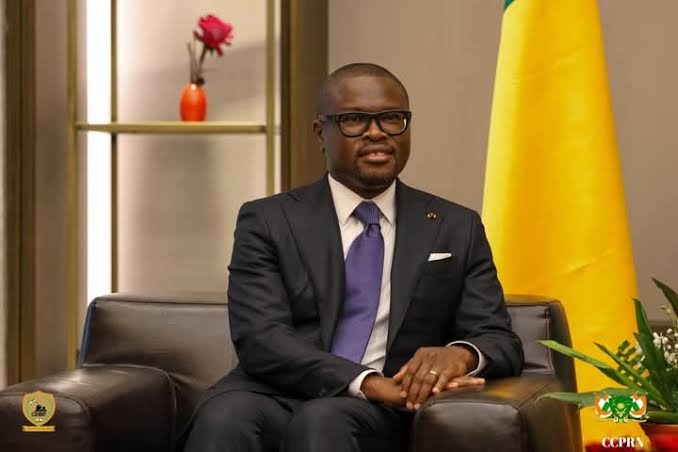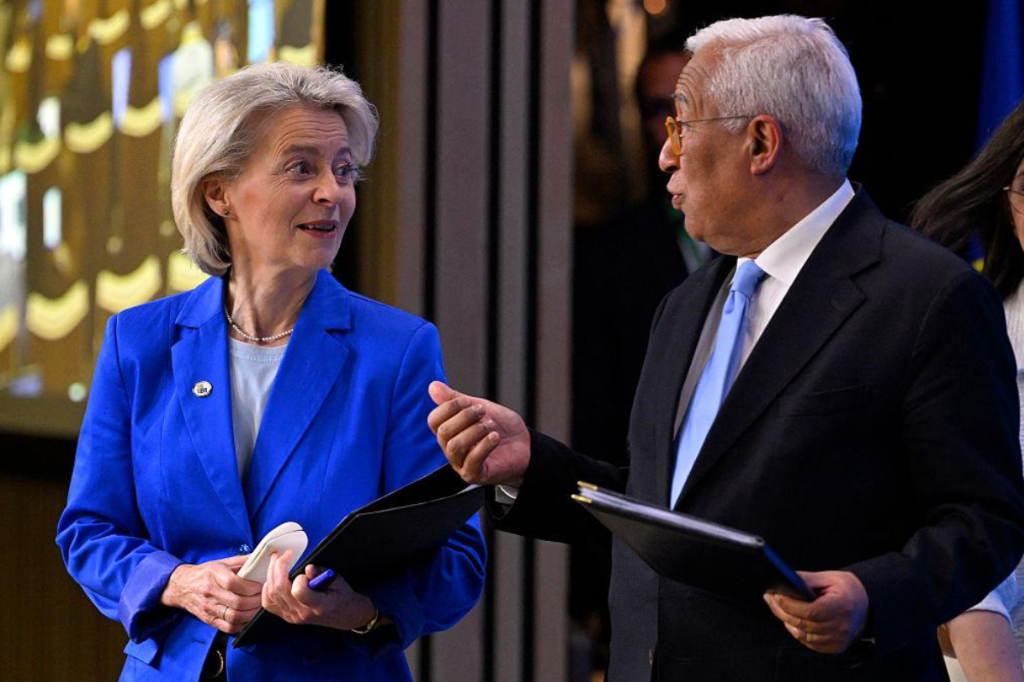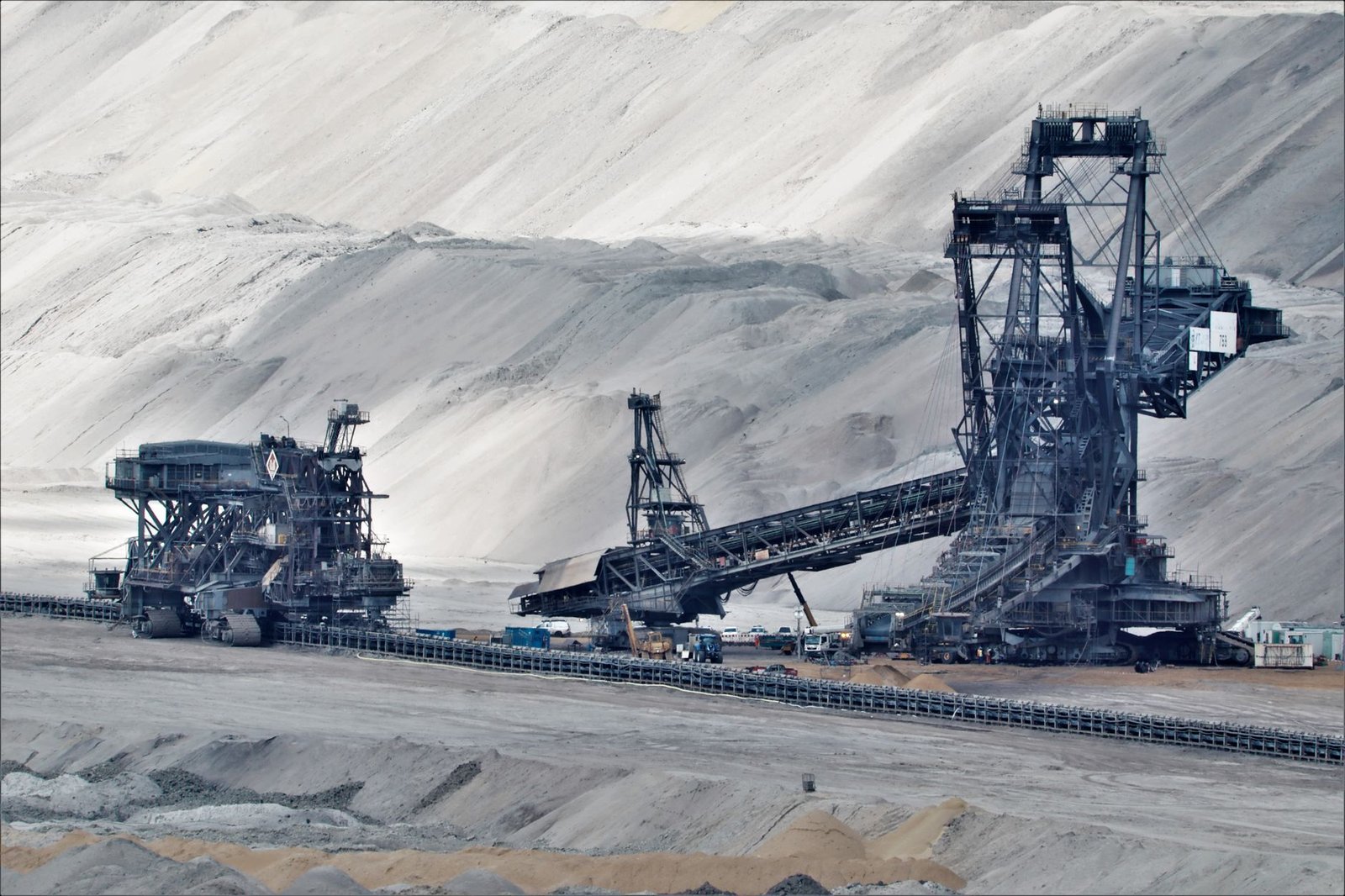
Gabon’s mining sector is poised for a major transformation as French miner Eramet commits to a landmark agreement that will significantly increase local processing of its manganese output. In a high-profile signing ceremony held in Paris, Eramet and its Gabonese subsidiary Comilog formalized plans to elevate the country’s manganese processing capacity to 700,000 tonnes annually by 2031. The event, attended by Gabon’s transitional president Brice Clotaire Oligui Nguema and top Eramet executives, underscores the urgency of boosting domestic resource value addition.
Breaking decades of raw material exports
The protocol, signed under the watchful eyes of both governments, marks a decisive shift in Gabon’s long-standing practice of exporting most of its manganese in raw form. Despite being the world’s second-largest producer, the country has historically seen limited downstream industrial gains. The new framework, though non-binding at this stage, signals a bold policy pivot toward capturing higher-value segments of the mineral’s supply chain.
For Eramet, which has operated in Gabon for over six decades through Comilog’s Moanda mine in Haut-Ogooué, this commitment aligns with Libreville’s intensified demands for local beneficiation. The expansion will require substantial investments in upgrading existing metallurgical plants and constructing new industrial facilities capable of handling the increased volume. While no specific financial figures have been disclosed, the timeline provides a clear roadmap for phased implementation.
Sovereign mineral strategy takes center stage
President Oligui Nguema has made the recovery of mineral value addition a cornerstone of his economic policy. Manganese, a critical input for global steel production and increasingly vital for lithium-ion battery manufacturing, sits at the heart of this vision. By processing more locally, Gabon aims to unlock additional fiscal revenues, create skilled employment opportunities, and transition into higher-margin industrial segments.
The 2031 target sets a clear deadline for tangible results, though translating the protocol into concrete financial commitments, feasibility studies, and investment decisions remains a challenge. The political weight of the agreement, reinforced by its Paris signing and the presence of both nations’ leaders, elevates its significance beyond mere industrial cooperation.
A model for future mining negotiations
This Eramet deal could set a precedent for other mining operators in Gabon, potentially reshaping how the country negotiates contracts for resources like iron ore and rare earths. Success in meeting the 2031 processing target will serve as a litmus test for the government’s broader strategy of mineral sovereignty. For Eramet, the agreement offers long-term stability for its Gabonese operations amid challenges in other regions like Argentina and Indonesia.
The initiative also presents an opportunity to enhance the group’s environmental, social, and governance (ESG) credentials, a growing priority for European investors scrutinizing supply chain sustainability. Yet, a critical hurdle remains: energy supply. Processing 700,000 tonnes of manganese demands substantial electricity, and Gabon’s infrastructure gaps pose a real risk to meeting the ambitious timeline. Without a robust energy strategy, the 2031 milestone could remain out of reach.