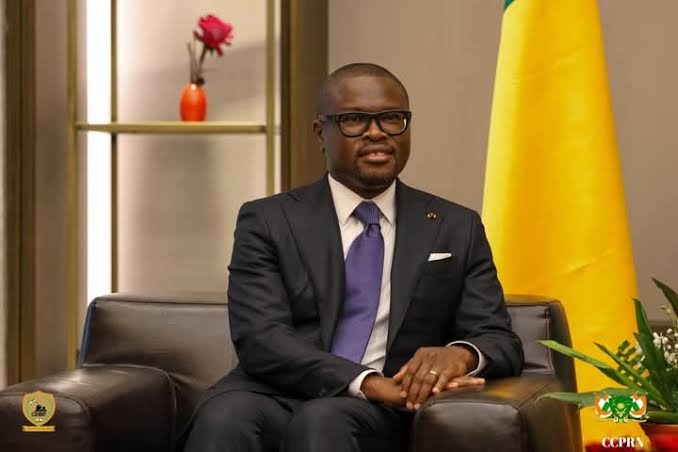
The Côte d’Ivoire stands out in West Africa for its robust economic performance, and the government is leaving no stone unturned to highlight its achievements. In a comprehensive address from Abidjan, Souleymane Diarrassouba, Minister of Trade, Industry, and SME Promotion, outlined the strides made in economic policy over recent years. The presentation served a dual purpose: educating stakeholders while reinforcing the narrative of a resilient Ivorian economy driven by industrialization, public investment, and economic diversification.
Industrial transformation drives economic gains
At the heart of the minister’s address was the push to reduce the country’s long-standing reliance on raw material exports. As the world’s top cocoa producer, Côte d’Ivoire has prioritized local processing of agricultural resources, a strategic move aimed at boosting value addition. Diarrassouba highlighted progress in developing industrial zones around Abidjan, San Pedro, and Bouaké, positioning them as engines of competitiveness and job creation.
The minister also underscored the critical role of small and medium-sized enterprises (SMEs) in the Ivorian economy. Efforts to promote SMEs, improve access to financing, and guide informal businesses toward formalization have been central to his department’s strategy. Multiple initiatives have been launched to integrate informal actors into the structured economy, aligning with recommendations from multilateral partners.
Infrastructure, investment, and regional appeal
Government communications emphasized the scale of investments in transport, energy, and logistics infrastructure. Ports, highways, and expanded electricity production capacity were cited as key drivers of the country’s growing attractiveness to international investors. This momentum aligns with the National Development Plan, a multi-year roadmap guiding budgetary priorities.
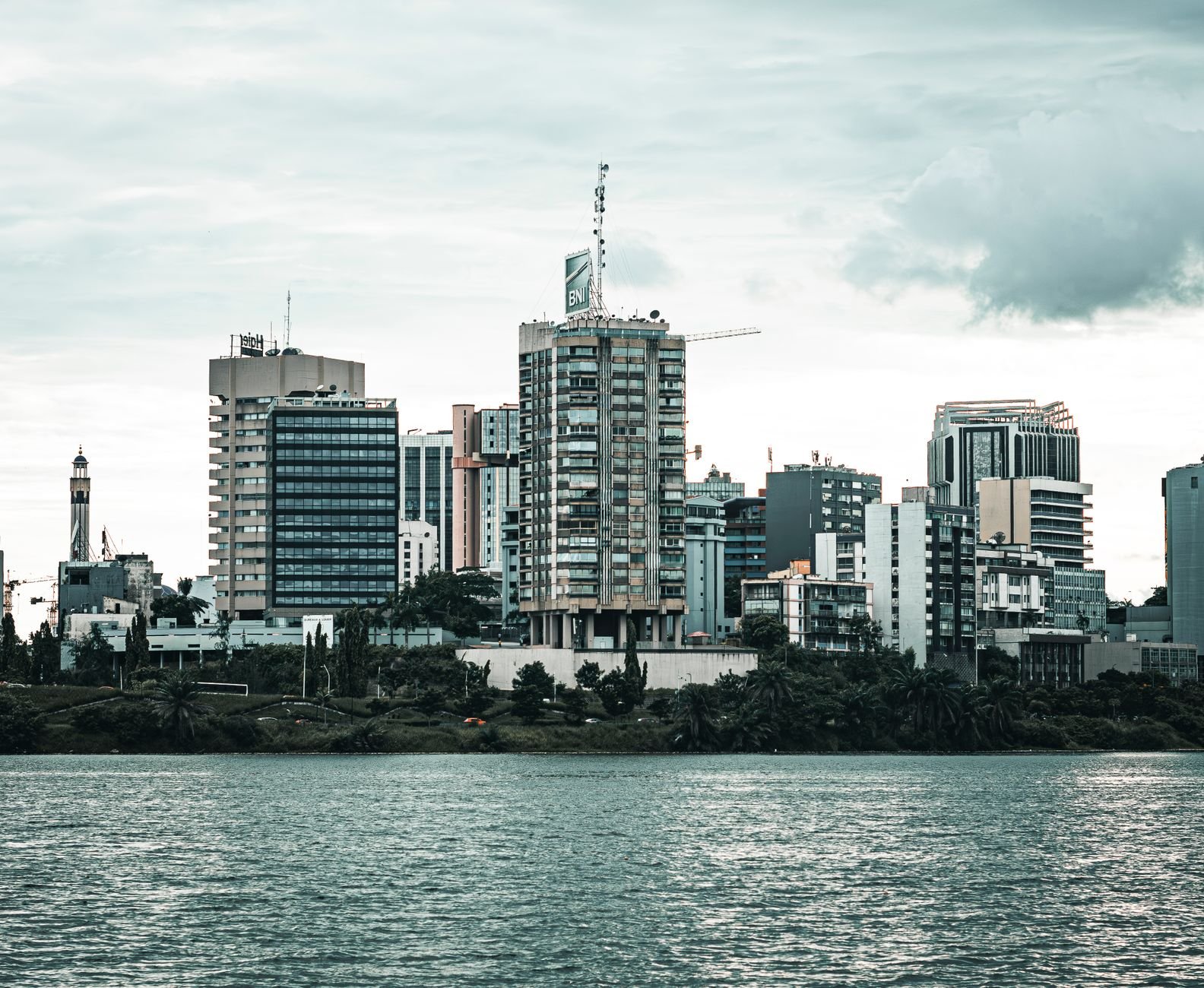
Abidjan is also positioning itself as a burgeoning business hub within the West African Economic and Monetary Union (WAEMU). Diarrassouba stressed the progress in regulatory reforms that have improved the business climate, particularly in agro-industry, logistics, and financial services. The government aims to solidify Côte d’Ivoire’s role as a leading economic hub in the region, competing closely with neighbors like Senegal and Ghana.
Yet, the minister’s presentation was not without acknowledgment of ongoing challenges. Independent observers point to persistent concerns such as uneven wealth distribution, regional disparities between northern and southern regions, and the strain of public debt. While the International Monetary Fund has praised the country’s strong economic fundamentals, it has also urged gradual fiscal consolidation to ensure long-term stability.
A strategic push ahead of political milestones
The timing of Diarrassouba’s address is deliberate. With major political events on the horizon, the administration of President Alassane Ouattara has mobilized its ministers to showcase what it views as a strong economic record. The minister’s presentation is part of a coordinated effort to shape public perception and reassure international partners of the government’s economic stewardship.
For investors and analysts, the stakes extend beyond rhetoric. The ability of Côte d’Ivoire to sustain growth, weather external shocks, and advance its industrial transformation will significantly influence its access to international financing markets. Upcoming budgetary decisions—particularly on subsidies and public investment—will be pivotal in validating the economic narrative advanced by the minister.
In a region where competition among West African capitals intensifies, Abidjan is leveraging both economic and diplomatic strategies. The presentation by Diarrassouba seeks to reinforce the country’s position as a key player in regional trade and investment.