Gabon is seeking to break its historical pattern of extracting minerals for the benefit of other countries, while leaving local communities with limited infrastructure and services. The country aims to transform a portion of its mine revenue into direct local investment.
Through a mechanism embedded in the convention between the Gabonese state and Comilog, the principal producer of high-tension manganese and a subsidiary of the French company Eramet, twenty percent of the proportional mining tax is now being redirected to the Local Development Fund. An additional amount from the extraction tax on mined carriages operated by the company is also strengthening this fund intended for local territories.
Behind this decision lies a profound evolution in Gabon’s mining doctrine. The goal is no longer solely to collect revenue or increase exports, but to make natural resources an instrument of territorial cohesion and human development.
The question has haunted African economies for decades: how can regions rich in minerals remain among the continent’s poorest?
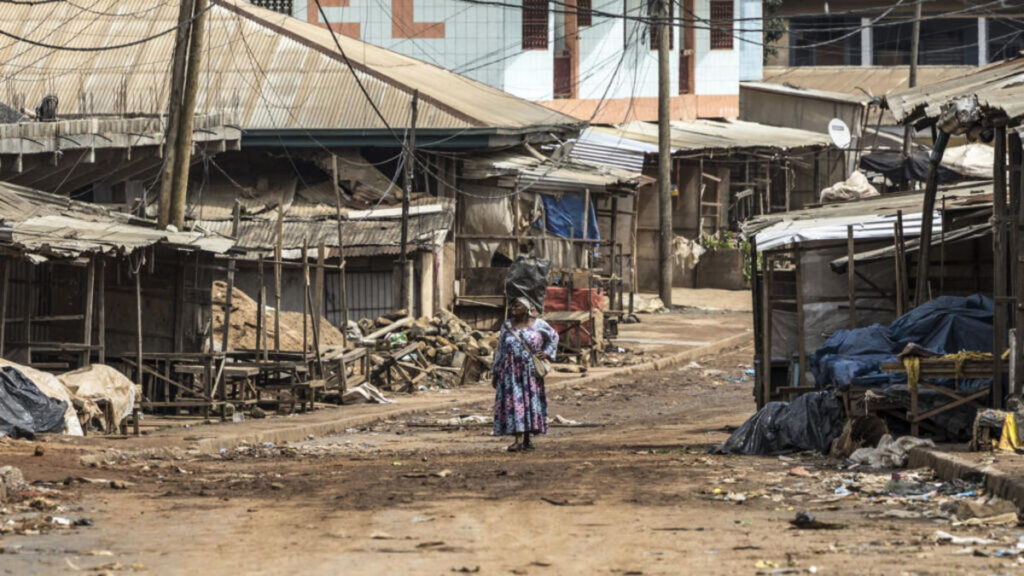
Gabon, the second-largest producer of manganese, is not immune to this issue. The mining zones have long carried the environmental and social constraints of extraction without always benefiting from a visible return on the wealth extracted from their subsoil.
The reform of the Mining Code initiated in 2019 and reinforced by an addendum signed in 2020 with Comilog marks an important break. For the first time, a portion of the mining revenue is being automatically directed towards local communities, independent of national budgetary arbitrages.
This architecture brings Gabon closer to models developed in certain producing countries such as Botswana or Canada, where the acceptability of mining activity relies on a more equitable sharing of benefits.
The mechanism relies on a governance structure associating the state, local authorities, and the mining operator. The Partnership Management Committee defines large orientations while the Operations Management Committee ensures technical follow-up and execution of projects. This organization aims to avoid investments being made from administrative capitals without taking into account local realities.
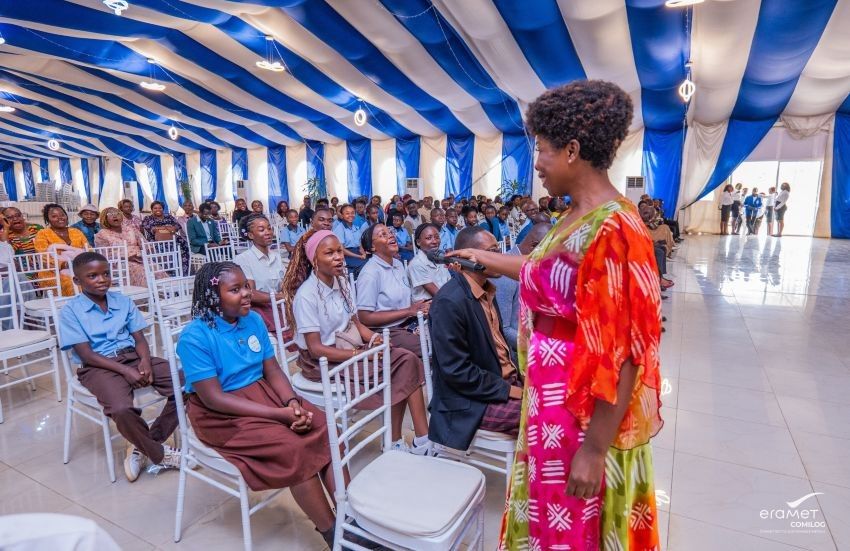
Interventions concern infrastructure development, public equipment, healthcare structures, schools, access to water, local economic activities, and job creation. Results are already beginning to appear.
According to Comilog data, twenty-six community projects had been completed by 2025 thanks to the various financing mechanisms, representing nearly 8.5 billion CFA francs in investments benefiting approximately 240,000 people living in mining basins.
In a country of less than three million inhabitants, these figures give an idea of the potential impact of the mechanism.
The challenge goes beyond the Gabonese case. The global demand for strategic minerals is exploding due to energy transition, transportation electrification, and digital revolution. Manganese has become essential for battery manufacturing and industrial technologies of tomorrow.
Africa Central possesses a significant portion of the necessary reserves for this new economic world.
The true question is no longer how much minerals the continent exports but what share of this wealth remains on the ground to finance education, healthcare, infrastructure, and economic diversification.
Comilog claims to be accompanying this transformation by supporting local entrepreneurship, professional training, and revenue-generating activities to gradually reduce the reliance of territories on a single extractive activity.
If this ambition is confirmed in the long run, Gabon could become one of Africa’s laboratories for a new mining contract between industry, state, and populations.
In the 21st century, the true wealth of a mine is no longer measured solely by tonnes exported or dividends distributed. It is also measured in schools built, businesses created, durable jobs generated, and opportunities offered to future generations. This is precisely where the legitimacy of major African mining powers will be played out.
FIN/INFOSGABON/SO/2026