Gabon’s 2027 budget: balancing growth with social priorities
Libreville, July 14, 2026 — Gabon stands at a critical economic crossroads as the government embarks on the 2027 budget process, a process that will shape the nation’s trajectory for years to come.
The budget conferences launched today are far more than routine administrative procedures. They mark the first major political step toward crafting the 2027 Finance Law, which must translate the Republic’s economic, social, and institutional ambitions into tangible outcomes.
Led by Vice President of the Government Hermann Immongault, key economic officials have initiated a decisive process to allocate public resources in an era of global economic uncertainty, rising inflation, and growing public demands for purchasing power and essential services.
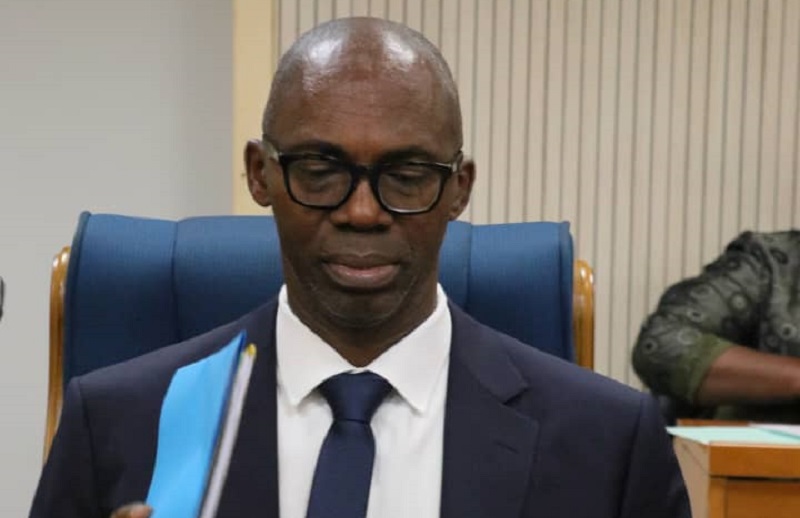
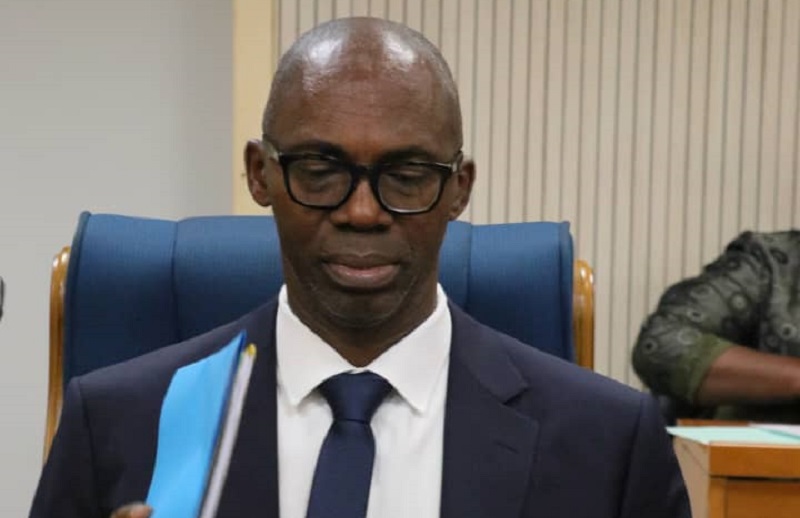
Minister of Economy, Finance, Debt, and State Participations—also tasked with addressing the high cost of living—Thierry Minko, unveiled the detailed work schedule during a government-wide briefing. Beyond technical mechanisms, a clear political message emerges: the 2027 budget must prioritize efficiency and deliver measurable social impact.
Putting purchasing power at the heart of the 2027 budget
Gabon’s leadership has made its priorities clear: protecting household purchasing power and safeguarding citizen well-being are non-negotiable objectives in the upcoming budget negotiations.
With global markets still reeling from geopolitical tensions, volatile commodity prices, and widespread inflation, this commitment reflects a deliberate policy choice. The government aims to channel resources toward sectors that deliver immediate benefits to citizens: health, education, infrastructure, productive investment, food security, and social welfare.
According to Thierry Minko, the budget conferences will unfold in two phases. The first will allow ministries to present their priorities and funding needs. The second will focus on technical scrutiny, assessing feasibility and alignment with the state’s financial capacity. This structured approach aims to enhance public spending quality and prevent the imbalances seen in past fiscal years.
The National Plan as the cornerstone of governance
A defining feature of this budget cycle is the central role assigned to Gabon’s National Growth and Development Plan (PNGCD). Already finalized and approved, the PNGCD is now the guiding framework for all public action.
“The 2027 budget will be centered around the PNGCD,” declared Thierry Minko. This signals a significant shift in Gabon’s economic governance model.
Historically, many African budgets have operated in isolation from long-term development strategies. Gabon is reversing this trend. Every infrastructure project, policy initiative, and public investment must now demonstrate its direct contribution to the national development goals outlined in the PNGCD. This alignment aims to improve the economic and social return on public spending.
Navigating IMF discussions with social and developmental red lines
In the coming months, Gabon will also engage in renewed discussions with the International Monetary Fund. On this sensitive issue, the government has set firm boundaries: any future cooperation program must not undermine recent social gains or delay critical development investments. This stance underscores Gabon’s commitment to balancing fiscal discipline with social justice.
The goal is to preserve the country’s financial credibility while maintaining the investment capacity needed for economic transformation. Before the 2027 Finance Law is finalized, it must undergo review by the Economic, Social, and Environmental Council, the Audit Court, and the Council of State before being submitted to the National Assembly.
For Hermann Immongault, this meticulous preparation is essential to avoid past budgetary dysfunctions and ensure every minister can defend a realistic, coherent, and nationally aligned budget. Because every line in the budget reflects a societal choice.
The budget is more than a financial document—it is the most tangible expression of a nation’s priorities, its vision for development, and the social contract it forges with its people.
The conferences opening today mark the beginning of a broader transformation. They set the stage for what Gabon will become in 2027.