Gabon’s democratic reforms face a critical test
Libreville, June 14, 2026 — With less than two weeks remaining before the deadline for political parties to comply with new legislation, an administrative dispute has thrust Gabon’s democratic consolidation efforts into the spotlight. The credibility of reforms now hinges not just on legislative intent, but on their real-world application.
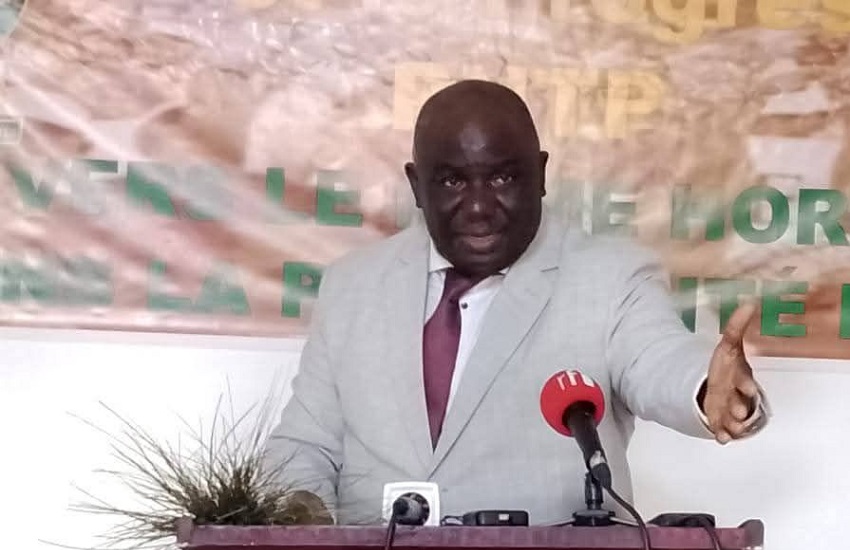
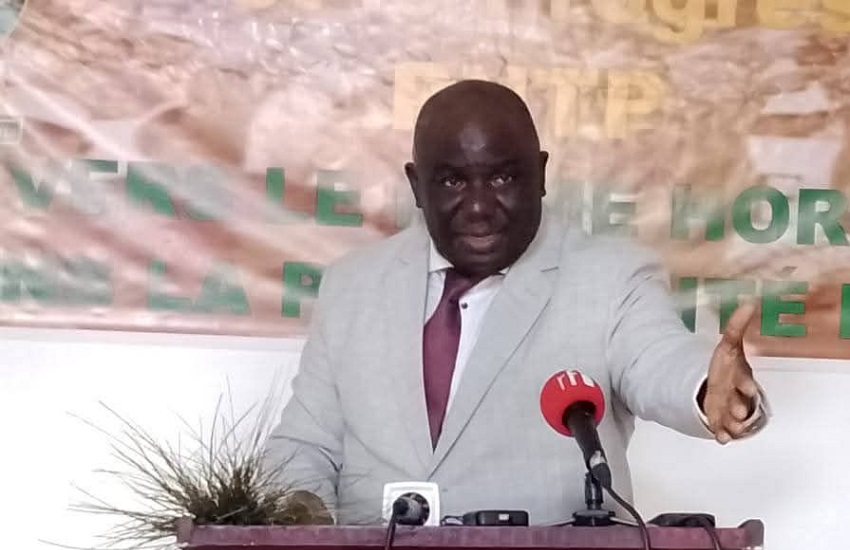
The controversy stems from Jean Rémy Yama, leader of the National Party for Work and Progress (PNTP), who has accused authorities of deliberately delaying the issuance of a receipt confirming his party’s updated leadership structure. Despite submitting the required paperwork to the Ministry of the Interior on December 18, 2025, no official response has been received despite repeated follow-ups.
This case unfolds against the backdrop of Law No. 016/2025, enacted on June 27, 2025, which aims to overhaul Gabon’s political landscape by imposing stricter organizational and administrative standards on registered parties.
Ambitious reforms meet administrative hurdles
Since late 2025, Gabon has been implementing sweeping changes to strengthen party governance, eliminate inactive formations, and enhance transparency. The law requires all political groups to meet updated criteria—including updated leadership records—by June 27, 2026.
While the government frames this reform as essential for modernizing governance, its success depends on one critical factor: timely and equitable implementation.
Jean Rémy Yama’s complaint centers on what he calls a violation of legal deadlines. According to the PNTP, the Ministry of the Interior has exceeded the 15-day response period stipulated in Article 41 of the law without issuing any formal decision or explanation.
Bureaucracy as a political flashpoint
The PNTP’s allegations point to a broader issue: the gap between legislative text and administrative practice. Despite multiple letters, meetings with election officials, and direct appeals, the party claims it has received no clarity on its status.
Yama has gone so far as to suggest the delays may be politically motivated—a serious claim that, while unproven, underscores growing skepticism about the reform process.
Without an official explanation, several explanations remain plausible: clerical backlogs, procedural complexity, or simply the strain of processing hundreds of compliance applications ahead of the deadline.
For governance experts, the core issue is transparency. In a constitutional democracy, public institutions must not only make decisions—they must do so in a timely manner and justify their actions when requested.
A test for the entire political system
The PNTP case has evolved into a litmus test for Gabon’s broader political transformation. As the June 27 deadline approaches, dozens of parties are racing to finalize their compliance files. Any perception of unequal treatment or unexplained delays risks eroding public trust in the entire reform agenda.
The government’s push to create more credible, structured parties aligns with global democratic trends. Yet, this ambition is only as strong as the institutions tasked with enforcing it. If administrative bottlenecks persist, they could undermine not just one party’s registration—but the very legitimacy of the reform itself.
Jean Rémy Yama’s challenge is more than procedural—it is a referendum on whether Gabon’s democratic institutions can deliver on their promises. The coming days will reveal whether the promise of reform matches the reality of governance.