Gabon’s government grilled in historic parliament session
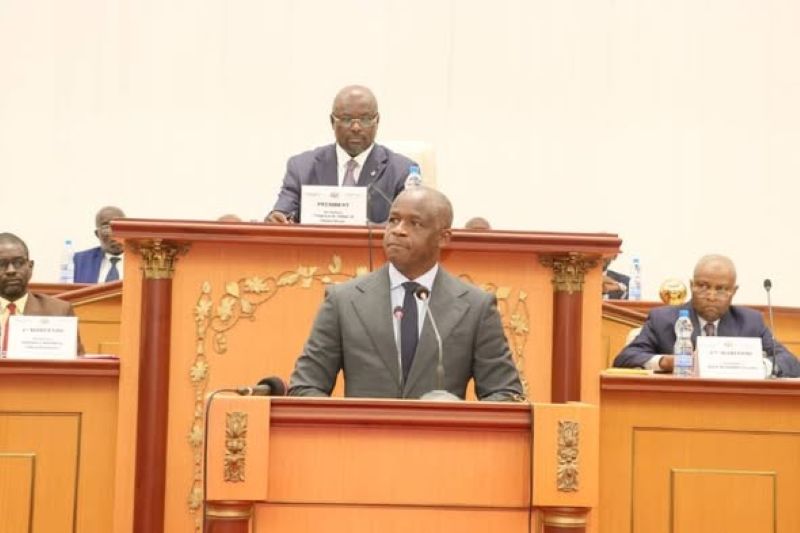
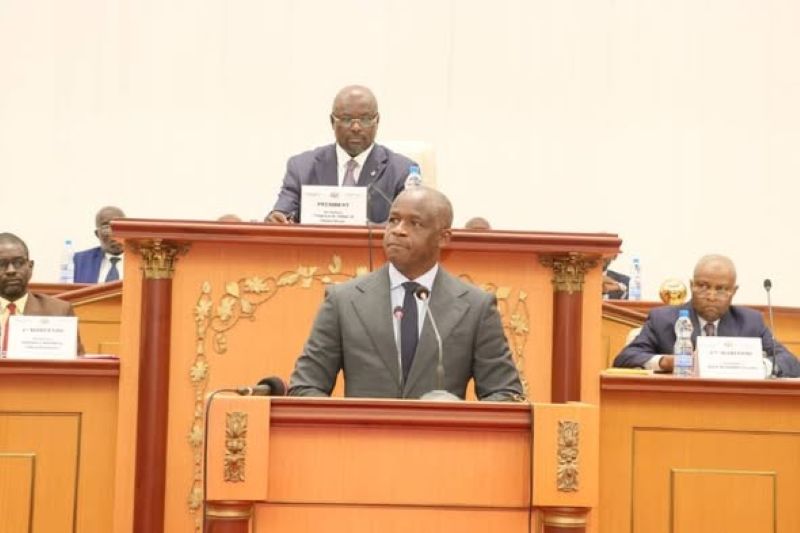
Libreville, June 3, 2026 – At the National Assembly in Libreville, Gabonese lawmakers put the government to the test in a pivotal oral questioning session, revealing both public expectations and the challenges ahead.
This wasn’t just another parliamentary routine. For the first time since the 14th legislature convened, lawmakers fully exercised their constitutional duty to scrutinize government actions. The session laid bare the pressing concerns of a nation grappling with rising living costs, education gaps, healthcare gaps, security threats, unemployment, and the urgent need for economic sovereignty.
Under the Constitution and Assembly rules, nearly two dozen questions were directed at cabinet members during the session in the Léon Mba Palace. This debate comes just days before the June 15 Parliament Congress, where President Brice Clotaire Oligui Nguema is set to deliver his State of the Nation address.
Youth and education take center stage
One of the most pressing issues discussed was the alarming spread of drugs and addictive substances in schools. Sixth Vice President of the Assembly Huguette Tsono raised the issue with Vice President of the Government Hermann Immongault, who acknowledged the severity of the problem while reaffirming the state’s commitment to safeguarding the education system.
This is no minor concern—it strikes at the heart of Gabon’s future. With young people making up the majority of the population, combating addiction is not just an educational issue but a cornerstone of social stability and economic progress.
Education reform also dominated the debate. Deputy Dorland Chancely Olengué questioned Minister of State Camélia Ntoutoume-Leclercq about progress, and she assured the Assembly that reforms are unfolding as planned. While reassuring, the response underscores a familiar reality: families demand immediate improvements, yet systemic change in education requires sustained, long-term efforts.
Economic sovereignty drives new policies
The session also spotlighted Gabon’s economic transformation. The progressive ban on imported broiler chicken sparked a lively exchange about the government’s strategy to build a robust national poultry industry capable of meeting domestic demand while creating jobs.
Minister of Agriculture Pacôme Kossy emphasized that this move is part of a broader push to reduce food dependency and strengthen local production. A similar vision guides the mining sector. Minister of Mines Sosthène Nguema Nguema announced a ban on the export of raw manganese, a decision aimed at capturing more value within Gabon’s borders—echoing a growing trend across Africa toward industrializing natural resources rather than exporting them raw.
Everyday struggles remain unresolved
Beyond grand reforms, parliamentarians raised immediate concerns. Minister of the Interior Adrien Nguema Mba faced questions about delays in issuing national ID cards and passports, a critical issue for inland communities where administrative access is often limited.
Minister of Social Affairs Armande Longo épouse Moulengui also fielded queries about pensioners, CNAMGS beneficiaries, people with disabilities, and single mothers. These issues serve as a reminder that economic growth alone cannot improve lives unless paired with tangible social progress.
A parliament reclaims its role
More than policy answers, this session signaled the resurgence of the National Assembly as a forum for public debate. By addressing everything from food security and industrial transformation to education, health, and governance, lawmakers reasserted their role as democratic watchdogs.
Assembly President Michel Régis Onanga Ndiaye closed the session by highlighting the upcoming Parliament Congress—a key political milestone to assess progress on major reforms launched during the Transition.
This first oral questioning of the 14th legislature stands as a turning point. It reveals a nation committed to transformation but also burdened by immense social expectations.
Between economic sovereignty, state modernization, and improving citizens’ daily lives, the government faces growing pressure—not just to declare its ambitions, but to deliver tangible results. That will define its credibility in the months ahead.