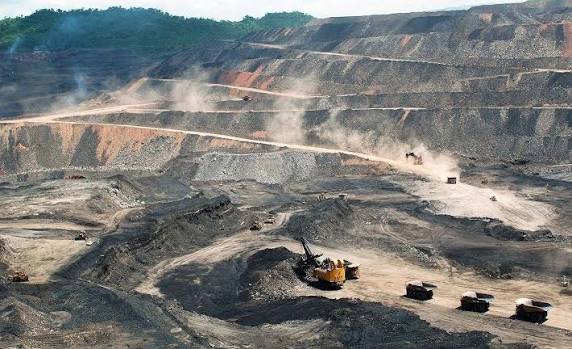
With Gabon’s oil production steadily declining, authorities are pivoting toward a robust mining strategy to anchor economic diversification and reduce reliance on hydrocarbons. The country plans to launch eight new mining operations by 2030, positioning the sector as a key driver of growth and stability.
The Minister of Mines, Sosthène Nguema Nguema, confirmed that several high-priority projects are currently under evaluation or in advanced stages of preparation. These initiatives focus on iron ore, gold, and potash, with key deposits including Milingui, Baniaka, Mébaga, and M’Bilan for iron; Etéké for gold; and a dedicated potash venture.
The government aims to elevate mining’s contribution to the nation’s GDP from 6% to nearly 20% in the coming years. This expansion is expected to generate thousands of jobs and bolster public revenue, fostering broader socio-economic development.
Infrastructural hurdles and strategic investments
Achieving these ambitious targets hinges on upgrading critical infrastructure. Economist Orphée Mouelé highlights the urgent need for upgrades to road networks, rail systems, port facilities, and energy supply. These enhancements are vital to cutting logistics costs and streamlining the transport of extracted minerals.
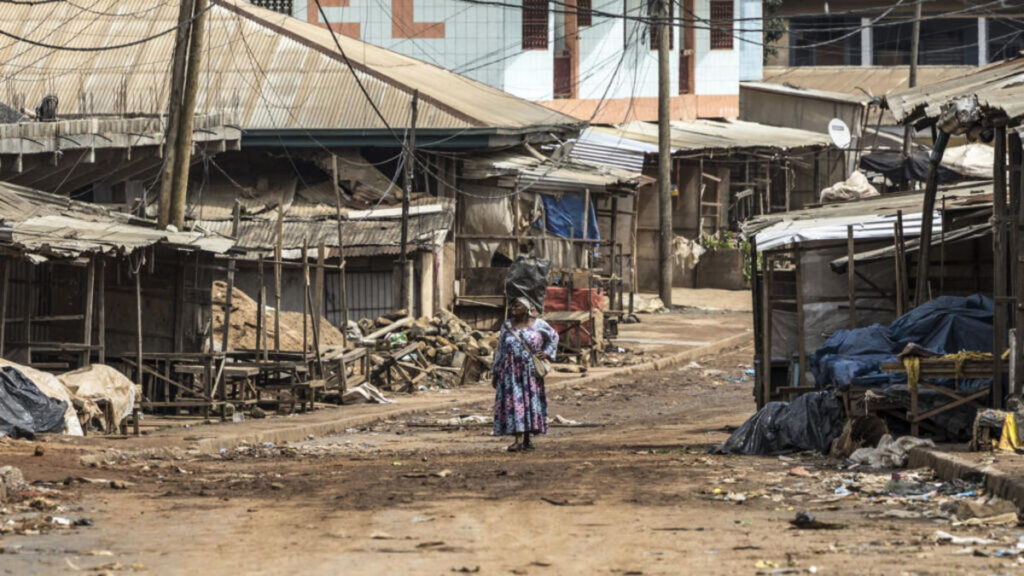
Local civil society groups, including the NGO Éthique et Bonne Gouvernance, emphasize that sustainable benefits must extend to communities. They argue that the policy’s success should be measured not only by economic gains but also by tangible improvements in living standards and equitable wealth distribution.
Local processing to boost value and resilience
Libreville is prioritizing domestic processing of extracted minerals to cultivate a homegrown mining industry. By increasing the value of exports and reducing dependence on volatile oil revenues, this approach seeks to build a more resilient and diversified economy.