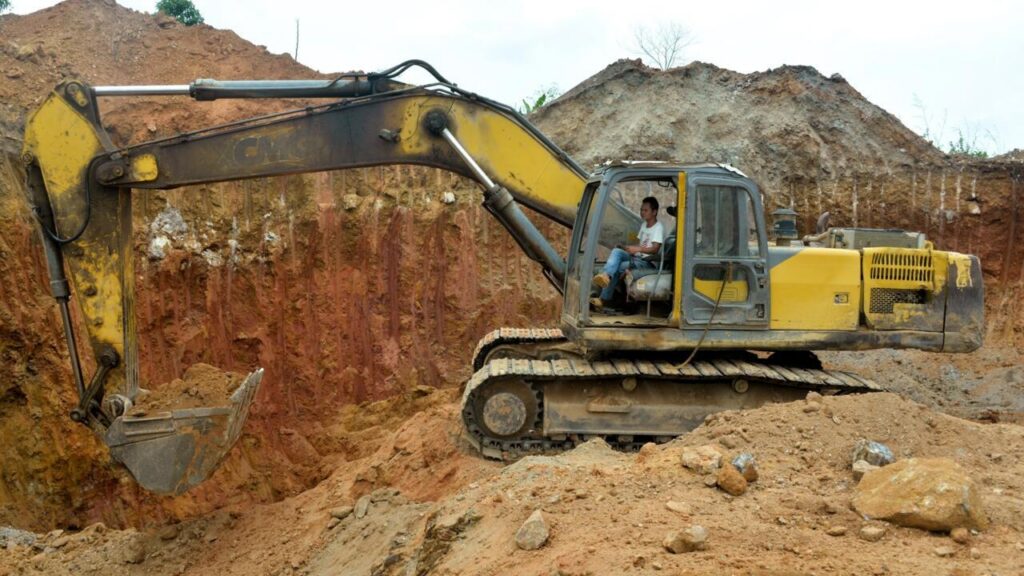
The gold mining sectors in Cameroon and the Democratic Republic of the Congo face significant challenges in transparency and revenue management. Despite ongoing efforts, the contributions of this lucrative industry to national treasuries remain alarmingly low. According to the Institute for Security Studies (ISS), the situation demands urgent action from both domestic and international operators.
Gold exports: a widening gap between declarations and reality
Official figures reveal a stark discrepancy in gold export data. In 2023, Cameroon reported exporting just 22 kilograms of gold, while importing countries claim to have purchased 15 metric tons. This inconsistency underscores systemic flaws in tracking and regulating the trade. The Extractive Industries Transparency Initiative (EITI) highlights these irregularities, raising concerns about potential revenue losses for the state.
Accountability must take center stage
Professor Aïcha Pemboura, a researcher at the Observatory on Organized Crime and Violence in Central Africa, emphasizes the need for stricter oversight. During a recent discussion, she stressed that national and foreign operators must be held responsible for their activities. Pemboura points to weak enforcement mechanisms and a lack of transparency as key barriers to equitable resource management.
Why transparency matters
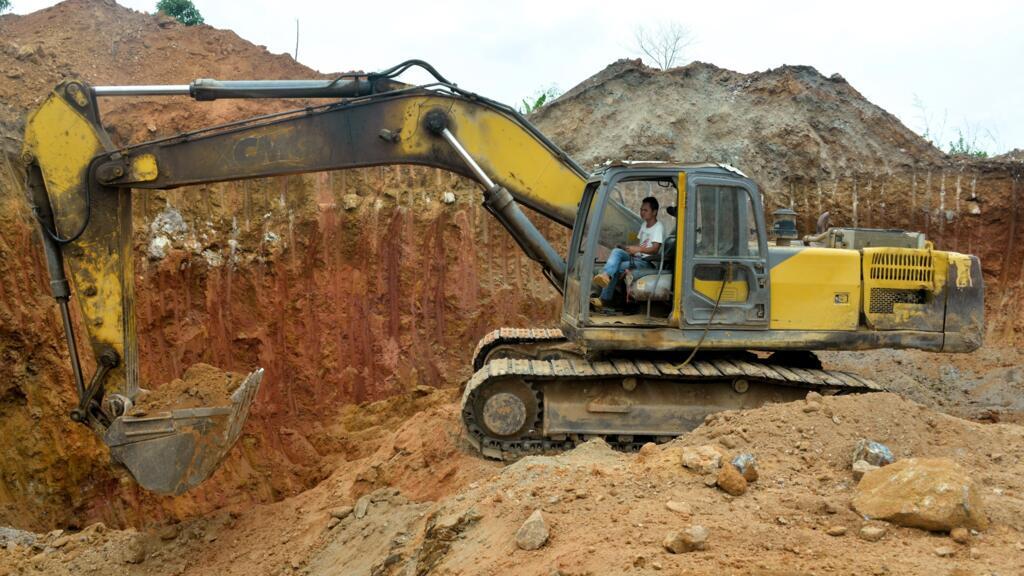
Transparent gold mining practices are essential for sustainable development. When revenues vanish into unregulated channels, communities suffer from lost funding for healthcare, education, and infrastructure. Pemboura argues that without accountability, the sector will continue to fuel corruption and undermine economic stability in the region.
Key takeaways
- Discrepancies in gold export data reveal systemic gaps in regulation.
- Weak enforcement allows operators to bypass accountability.
- Revenue losses deprive governments of critical funds for public services.
- Urgent reforms are needed to align with transparency initiatives like EITI.
The call for accountability is clear: operators in Cameroon and the DRC must prioritize ethical practices and comply with reporting standards to ensure fair resource governance.