Homosexuality in Senegal: A controversial TV report ignites fierce debate
A recent television documentary on Senegalese LGBTQ+ communities has triggered a national outcry, with critics accusing it of spreading misinformation and fostering an unfair portrayal of Senegalese society.
Controversial claims spark outrage
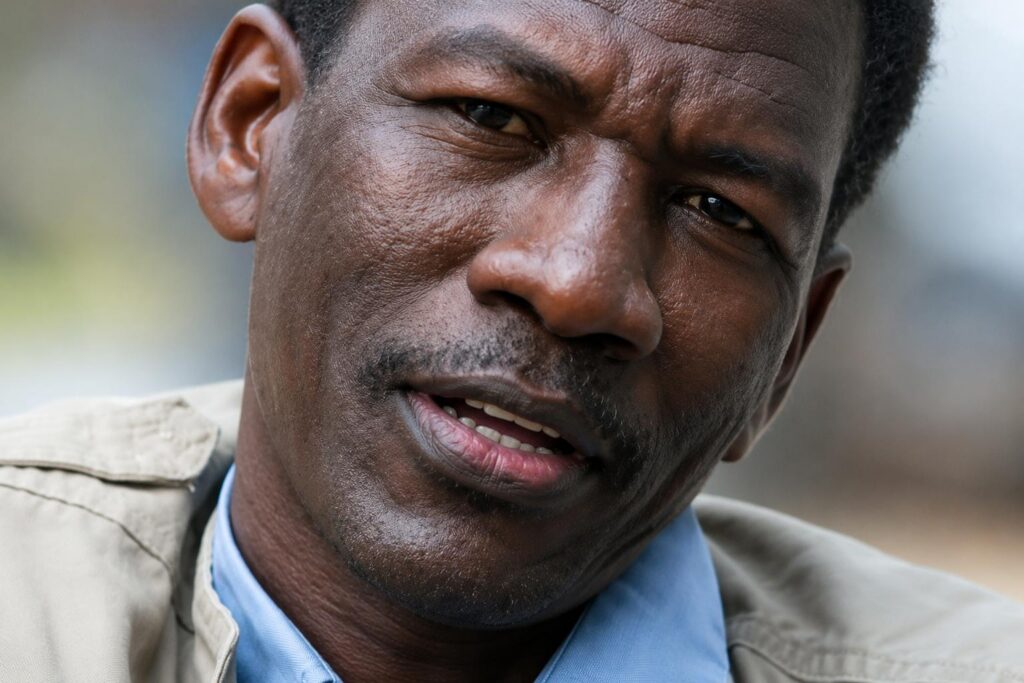
The French public broadcaster’s primetime news segment highlighted alleged persecution of homosexual individuals in Senegal. Central to the controversy was the testimony of an anonymous interviewee who claimed that local communities were indoctrinated with the belief that killing a homosexual person would guarantee entry into paradise. This assertion was met with disbelief by many viewers.
Public reaction and legal context
Social media erupted with responses from Senegalese citizens, many of whom dismissed the claims as fabrications. One user wrote, « I am Senegalese, and I have never heard such a thing. This is pure fabrication. » Another pointed out the legal discrepancies in the report’s framing.
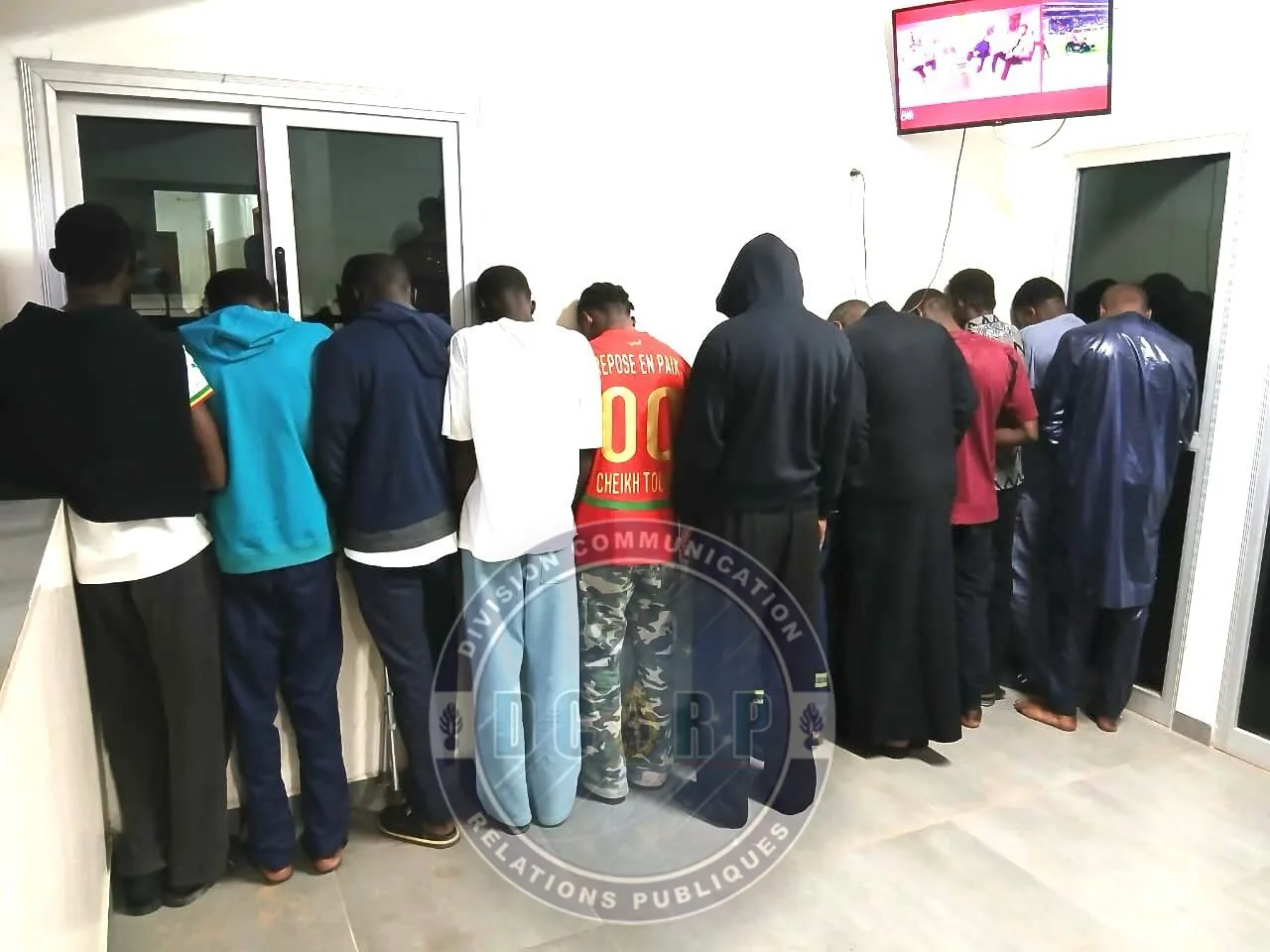
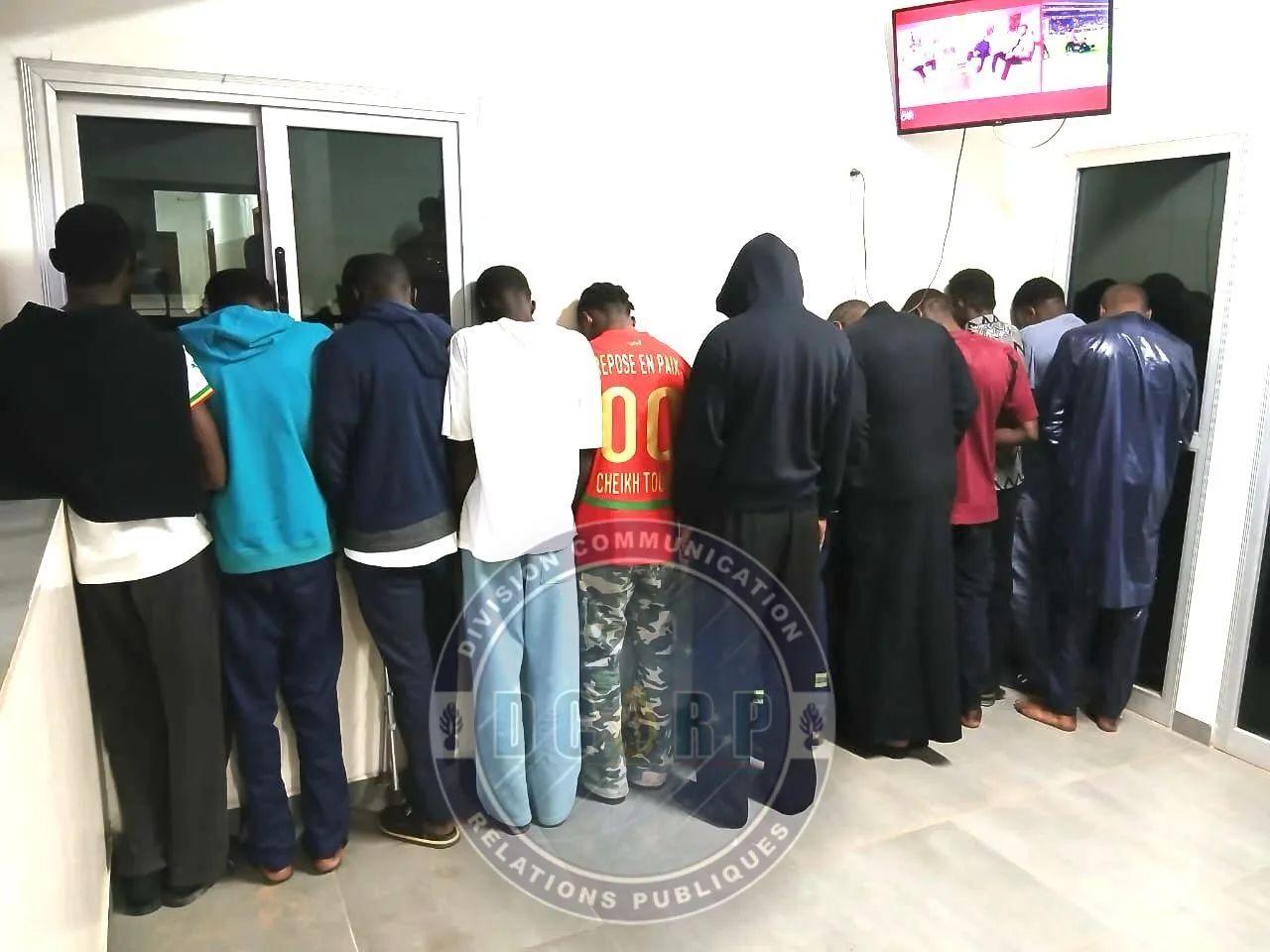
The documentary also drew criticism for allegedly oversimplifying the legal cases currently unfolding in Senegalese courts. While the broadcast suggested arrests were solely motivated by sexual orientation, legal experts note that most prosecutions involve charges of willful transmission of HIV, a separate criminal offense under Senegalese law.
Further complicating the narrative, medical professionals from the National AIDS Control Center were interviewed without any reference to the HIV transmission charges that form the basis of the ongoing legal proceedings.
Media bias accusations
Critics argue the report deliberately omitted key legal facts to create a distorted narrative. They contend that the documentary’s selective focus on alleged social persecution—rather than the specific criminal charges—paints an incomplete and misleading picture of Senegal’s legal and social landscape.
For many Senegalese observers, the coverage exemplifies a deliberately skewed portrayal that overlooks crucial judicial realities while amplifying sensationalized claims.