Mali’s security crisis: external partnerships under scrutiny after Kidal fall
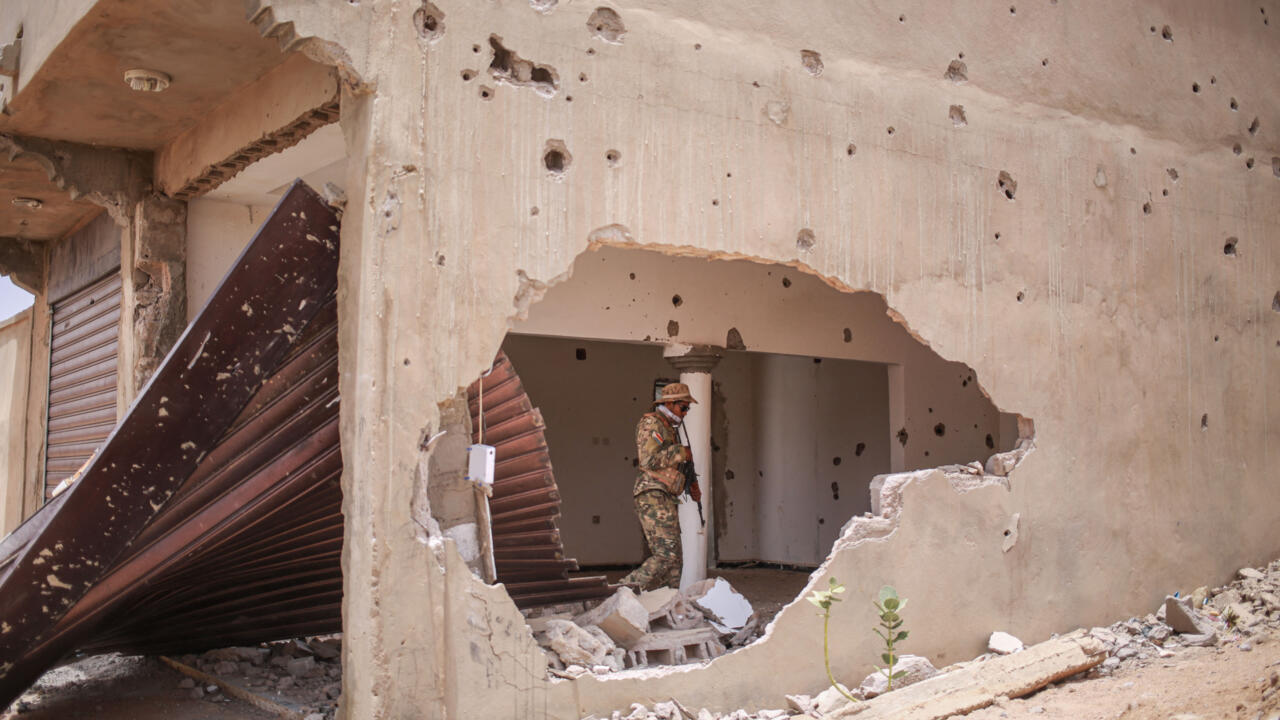
The Mali security landscape has been rocked by a devastating series of coordinated attacks on April 25, which claimed the life of Defense Minister General Sadio Camara and resulted in the loss of strategic Kidal to armed groups. This dramatic turn of events has exposed fundamental weaknesses in the country’s security architecture, particularly the much-touted partnerships with foreign actors.
Bakary Sambe, director of the Timbuktu Institute in Dakar, examines these failures in a new analytical briefing titled “Mali: anatomy of a security earthquake”. The document analyzes the collapse of security arrangements following the withdrawal of Barkhane forces and the subsequent Russian military support through Africa Corps.
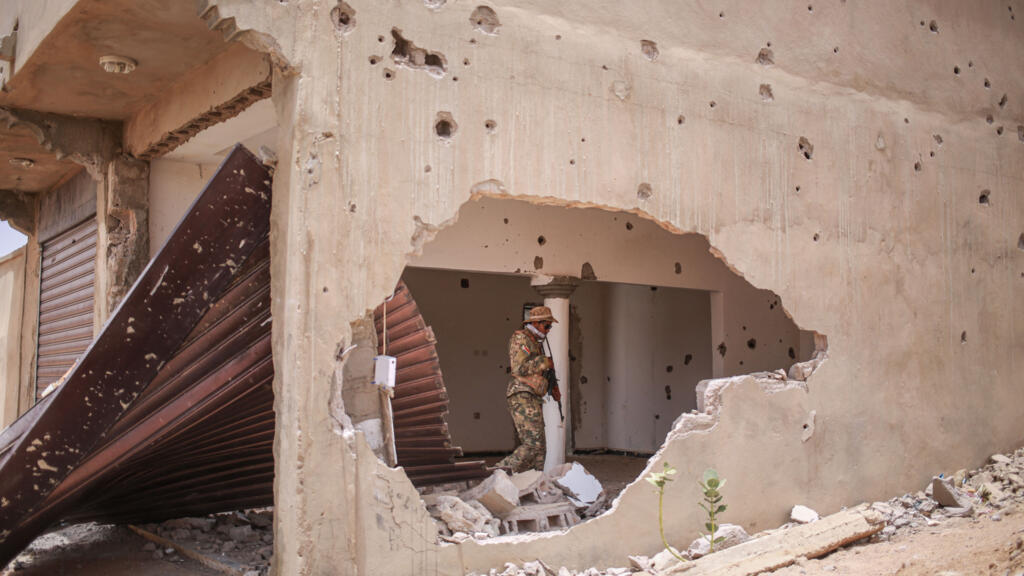
External security partnerships: a failed gamble
Bakary Sambe argues that the April 25 attacks represent a definitive failure of the strategy of “externalizing security” through partnerships with Russia and the Alliance of Sahel States (AES). The chaotic retreat of Africa Corps from Kidal and the death of General Camara during combat operations have shattered the myth of effective foreign military support.
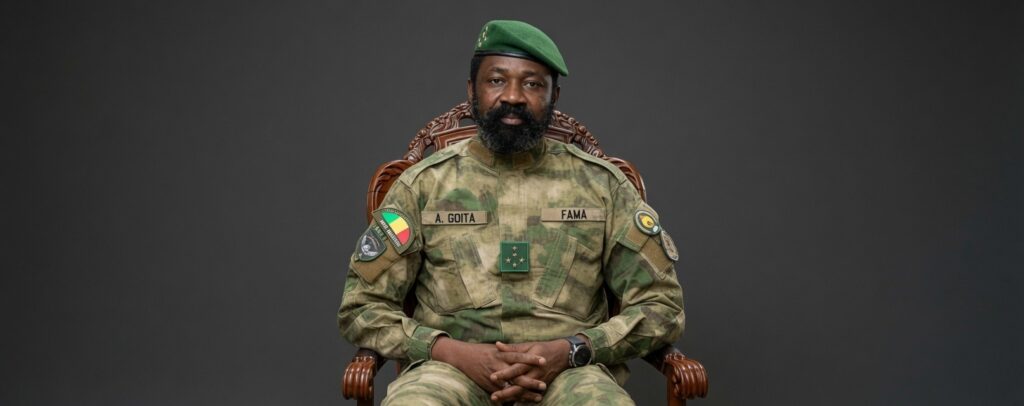
«The Wagner-Africa Corps strategy has collapsed», Sambe states. «After the withdrawal of Barkhane, which at least had civilian-military development components, outsourcing security to Moscow proved incapable of countering locally entrenched guerrilla warfare.» The analyst emphasizes that the Goïta regime is now losing its primary narrative tool—security restoration—without immediate battlefield results.
Limits of the Alliance of Sahel States
The AES, created as a mutual defense pact inspired by NATO’s Article 5, has shown its limitations in practice. Following the attacks, despite declarations of solidarity from leaders like Burkina Faso‘s President Traoré—who described the events as a “monstrous conspiracy”—no concrete military support materialized from member states. Niger and Burkina Faso faced their own security challenges, making regional mobilization difficult.
The paradox of public opinion in Mali
Sambe highlights a paradoxical phenomenon: while the Goïta regime is weakened by unmet security promises, the attacks have paradoxically strengthened national unity behind the flag. «The legitimacy of power in Mali now hinges almost exclusively on the security promise», he notes. The events have drawn unsettling comparisons to the 2012 crisis, when armed groups seized northern Mali in days. However, the analyst warns that this rally-around-the-flag effect is temporary and difficult for external observers to grasp.
Jihadist-rebel alliance: a tactical convergence, not a lasting coalition
The Group for the Support of Islam and Muslims (JNIM), linked to al-Qaeda, and the Azavad Liberation Front (FLA) have demonstrated unprecedented coordination in their attacks. Sambe describes this alliance as a “tactical convergence” rather than a solid partnership. «This is a marriage of convenience, not conviction», he explains. The cooperation stems from a shared enemy—the Bamako regime—and pragmatic interests such as trafficking and the central role of Iyad Ag Ghaly.
However, fundamental divergences persist: the JNIM seeks to impose Sharia law, while the FLA demands “Azawad autonomy.” Additionally, there are doubts about whether JNIM elements, particularly from the Macina Katiba, will fully commit to the FLA’s separatist goals. Sambe concludes that without a shared political vision, this alliance is unlikely to endure.
National jihad: a growing internal challenge
The analyst stresses that the jihadist threat in Mali has become endogenous. «Jihadists are no longer seen as foreign invaders; they are the children of this nation», he observes. Increasingly, Malians acknowledge the need for inclusive national dialogue to address the crisis. This perspective is shared by political actors like the Coalition of Forces for the Republic (CFR) led by Imam Dicko, who advocate for negotiations with armed groups.
The Goïta regime, however, maintains a firm stance against dialogue, insisting on a military response to the suffering inflicted on populations by groups like JNIM.
Can the jihadist movement transform into a political actor?
Sambe suggests that the JNIM may attempt to rebrand itself as a national political movement. By highlighting figures like Bina Diarra, the group aims to present itself as a legitimate actor capable of mobilizing support. This shift could potentially position JNIM for future negotiations, though its extremist ideology remains a significant obstacle.
The alliance with the FLA could serve as a catalyst for this transformation, offering the JNIM an opportunity to transition toward a more political role. However, Sambe cautions that such a transformation depends on the group’s ability to reconcile its extremist objectives with broader national aspirations.
Conclusion: the urgent need for a new security paradigm
The Mali security crisis has exposed the failures of external partnerships and the limitations of regional alliances. As the country grapples with an increasingly complex conflict, the need for a comprehensive, locally driven security strategy has never been more pressing. Whether through dialogue or military means, the path forward remains fraught with challenges.