When family planning meets terror: the hidden dangers in Tillabéri’s crisis zones
The capital city may spotlight women’s empowerment initiatives, but in the embattled districts of Tillabéri, a different story is unfolding. Programs like the Reach Married Adolescent (RMA) model, praised as a milestone for reproductive rights, are now facing harsh criticism as their rollout in high-risk areas raises serious health and security concerns—sometimes turning humanitarian goodwill into a life-threatening gamble for local women.
Nutritional poverty magnifies contraceptive risks
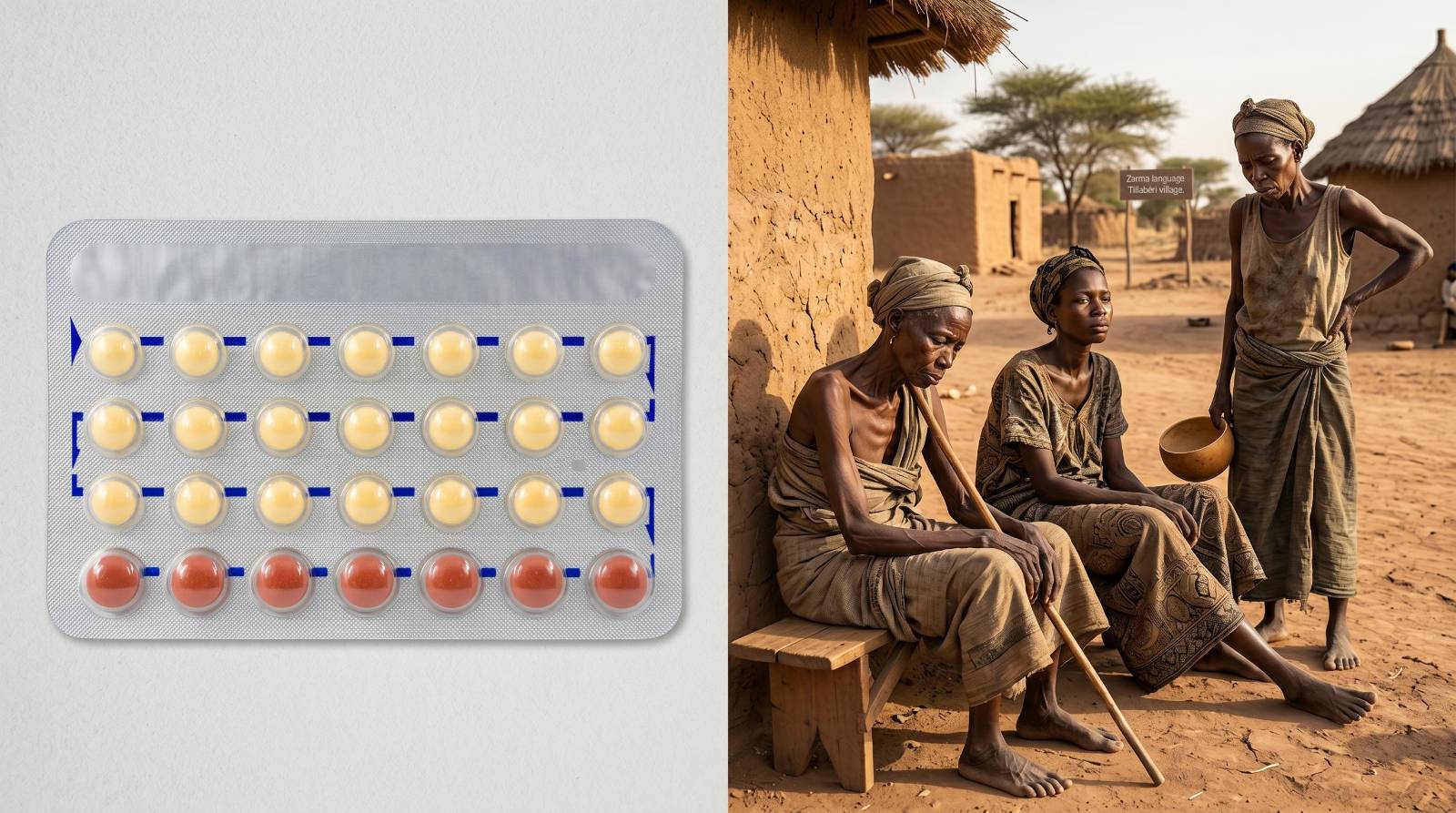
The Liptako-Gourma region’s extreme food insecurity creates an overlooked vulnerability when mass family planning campaigns are introduced. With supply chains shattered and farmlands inaccessible due to terrorism, women here suffer severe malnutrition. Introducing hormonal contraceptive methods in such conditions without rigorous medical supervision—nearly impossible when health centers are destroyed or closed—can worsen underlying conditions, further weaken already exhausted bodies, and ironically, damage physical integrity. A woman already fighting starvation and war-related stress risks severe health complications from interventions meant to empower her.
Ideological battles over reproductive health
In territories controlled by armed groups, family planning initiatives clash with rigid social codes enforced by insurgents. Programs promoting couple-based dialogue and birth control, especially targeting married adolescents, are seen as an ideological intrusion into traditional family structures—the last bastion preserving stability amid chaos. What starts as a “well-being” effort for women can quickly escalate into a security threat. Female participants become targets, accused of harboring foreign influence and undermining local norms. The danger shifts from medical to existential.
The illusion of post-contraception care in the ‘Triangle of Death’
Official reports boast high numbers of home visits, but in Tillabéri’s most dangerous zones, the reality of follow-up care is alarmingly thin. When complications arise—such as severe bleeding or dangerous side effects—women face lethal barriers: improvised explosive devices, militant checkpoints, and a landscape where movement is itself a risk. What was intended as a simple health solution becomes a deadly trap. The promise of reproductive freedom dissolves into a cycle of fear and isolation.
While Niamey celebrates progress in women’s health, the ground reality in Tillabéri tells a starkly different tale. Health interventions cannot succeed in isolation from food security and physical safety. Imposing societal change through health programs in regions ravaged by terrorism may do more harm than good—turning aid into a threat, and empowerment into endangerment.