Why the Sahel’s inflation crisis refuses to fade
Official figures from the Central Bank of West African States (BCEAO) may show average inflation at 0.0% across the region, but this cold figure tells only half the story. In the heart of the Sahel—Mali, Niger, and Burkina Faso—the reality is starkly different. While coastal nations benefit from lower global commodity prices and favorable weather, the AES bloc remains trapped in a cycle of relentless price hikes that refuse to ease.
The true cost of insecurity and military-led policies
Inflation in the Sahel isn’t just a matter of global trends; it’s deeply rooted in local failures. The ongoing security crisis, though often cited as the primary driver, has exposed the inadequacies of current transition strategies. Despite promises of rapid territorial recovery, vital trade routes remain paralyzed. Armed group blockades aren’t mere tactical setbacks—they highlight the inability of governments to protect the lifeblood of their economies.
By diverting nearly all state resources toward military spending and procurement, these administrations have neglected critical sectors such as agricultural support and storage infrastructure. As arable land access shrinks under insecurity and migration pressures, local food production collapses. The result? A paradox where increased military dominance hasn’t restored stability but has instead choked off essential food supplies, pushing prices beyond reach for ordinary families.
Empty sovereignty promises and the burden on households
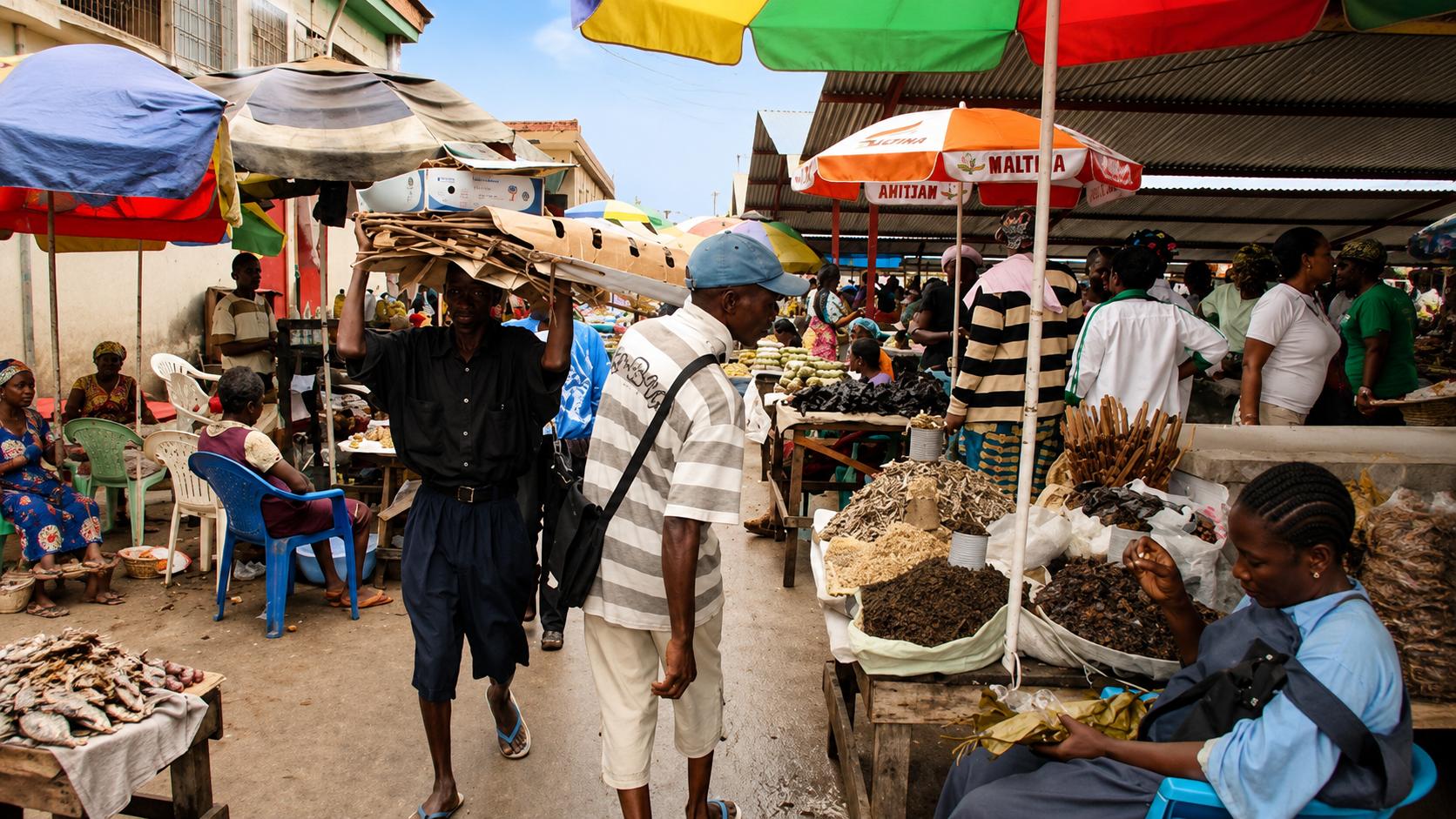
The AES’s bold claims of economic sovereignty and ideological independence clash sharply with economic reality. Efforts to bypass traditional trade networks in favor of new, politically aligned routes have backfired, adding unnecessary costs for consumers. Cutting off established regional trade hubs—whether for political reasons or otherwise—demands longer, costlier detours. It’s the women and men at the market who foot the bill, not the policymakers in air-conditioned offices.
Centralized control over distribution channels, including bureaucratic price caps and coercive pressure on private traders, has further destabilized supply chains. These measures don’t just discourage private investment; they fuel artificial shortages and black-market profiteering, where prices spiral uncontrollably.
The BCEAO’s tough stance fails to address structural cracks
The Central Bank’s aggressive credit tightening may appear as a bold inflation-fighting tool, but it’s ill-suited for tackling the Sahel’s deep-rooted issues. Rising interest rates do little to mend broken roads or restore farmland productivity. The deeper problem lies in the fiscal straitjacket these states have imposed on themselves.
By distancing themselves from regional financial solidarity and international donor support, Mali, Niger, and Burkina Faso have stripped themselves of critical fiscal flexibility. With budgets drained by security spending and transitional government overheads, there’s little left for social safety nets or targeted subsidies to cushion the blow of rising living costs.
A cycle of denial and rising hardship
Until leaders in the AES shift from rhetoric to action—prioritizing pragmatic economic governance and real security for traders and farmers—the Sahel’s inflation crisis will persist. The gap between official inflation reports and the daily struggles of ordinary citizens will only widen, leaving the UEMOA’s rosy statistics dangerously out of touch with reality.