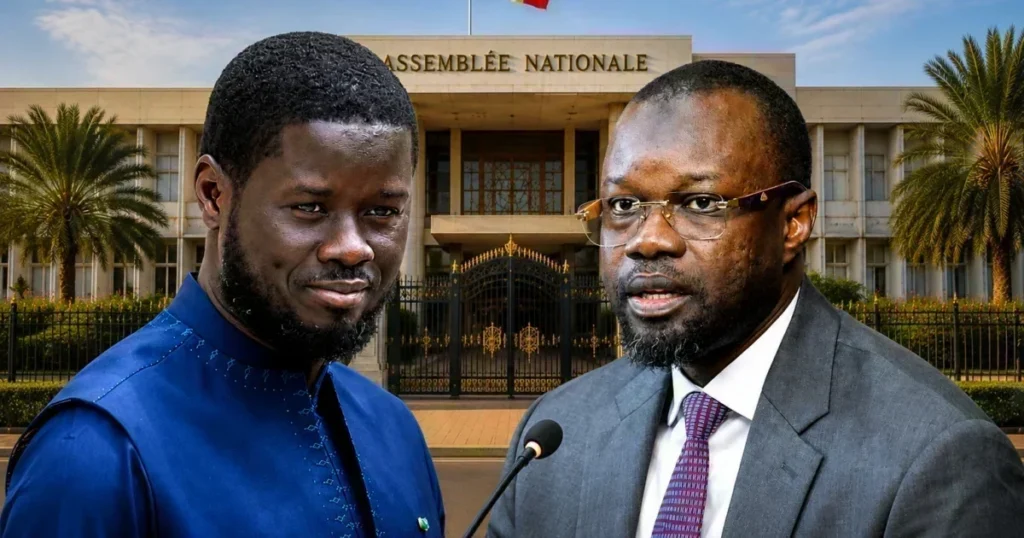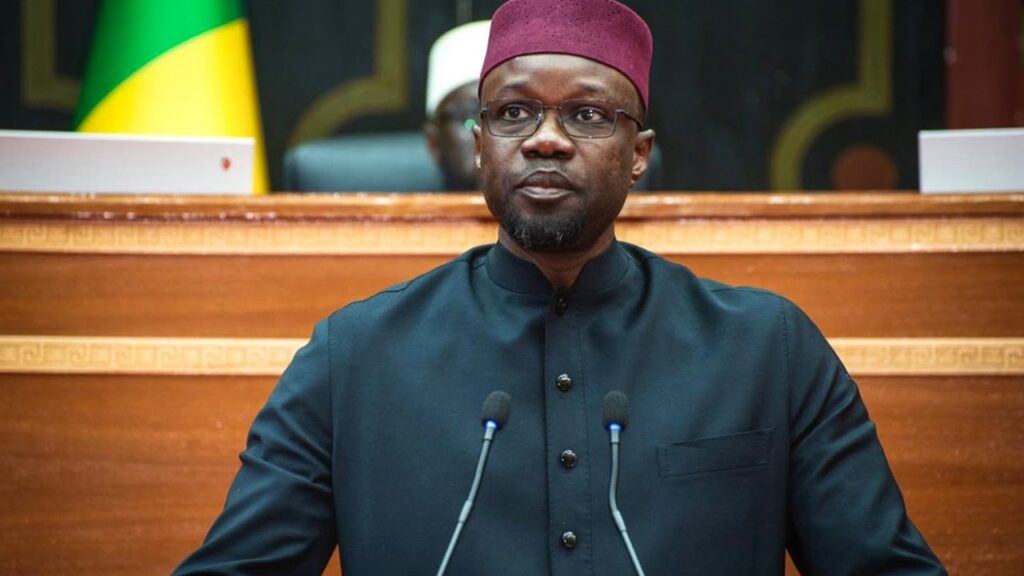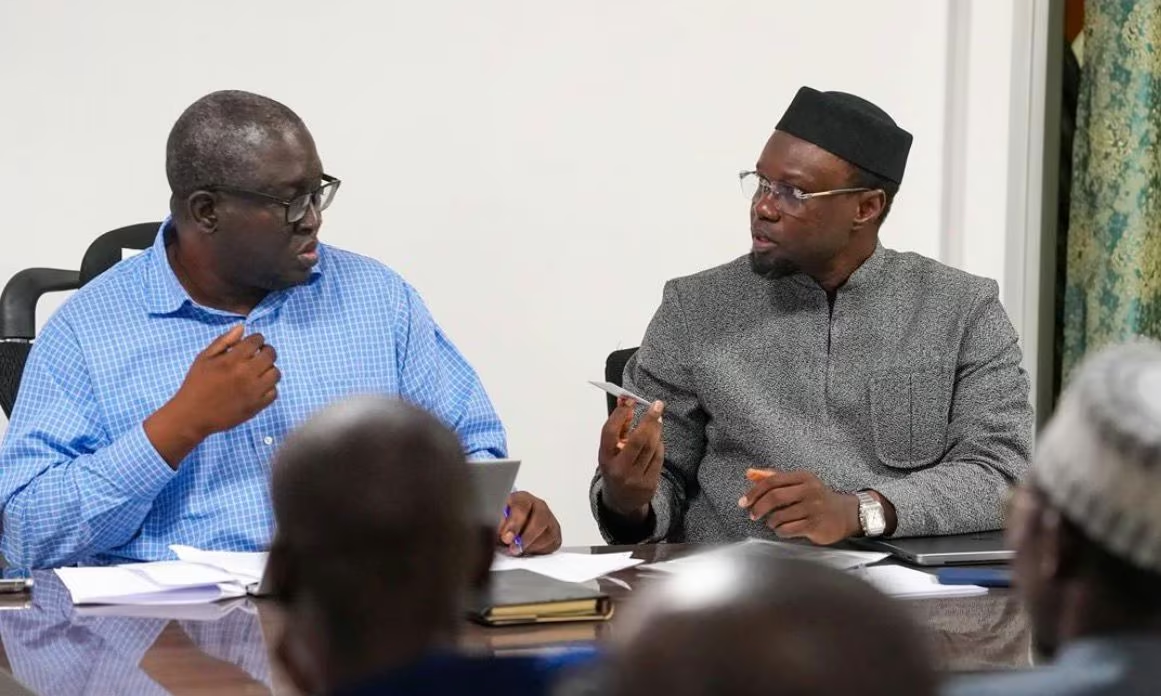
The fragile unity within Senegal’s Pastef party has shattered in Ziguinchor, exposing deepening rifts between two prominent local leaders—Mayor Djibril Sonko and his deputy Bassirou Coly. What began as whispered rivalries has erupted into an open political confrontation, casting shadows over the party’s future in one of its most symbolic strongholds.

Once a bastion of support for party leader Ousmane Sonko, Ziguinchor now simmers with political tension. The catalyst? A recent gathering in Soucoupapaye, intended to rally militants ahead of upcoming elections, but which instead laid bare the growing divide. Figures like Toussaint Manga and Professor Alassane Diédhiou found themselves at the heart of a debate where allegiances clashed publicly.
Bassirou Coly’s faction has openly floated the idea of challenging Djibril Sonko for the mayoralty in the next local elections, despite claims of party loyalty. Meanwhile, the mayor has pushed back, defending his record and warning against internal disputes that could undermine municipal progress. The confrontation has left militants uneasy—could these fractures derail Pastef’s ambitions in the south?
Symbolism and stakes in Ziguinchor
Ziguinchor holds deep significance in Ousmane Sonko’s political narrative. A setback here would send a worrying signal ahead of the 2029 presidential race, with the 2027 local elections serving as a crucial test. Already, whispers of discontent are growing louder, with some warning that infighting could cost the party its grip on the region. Yet despite calls for unity, the rivalry shows no signs of abating.
As Djibril Sonko and Bassirou Coly harden their positions, the question remains: can Pastef mend its divisions before the damage becomes irreversible? In a party built on mobilization, the cracks in Ziguinchor threaten to unravel more than just local governance—they risk reshaping Senegal’s political landscape.