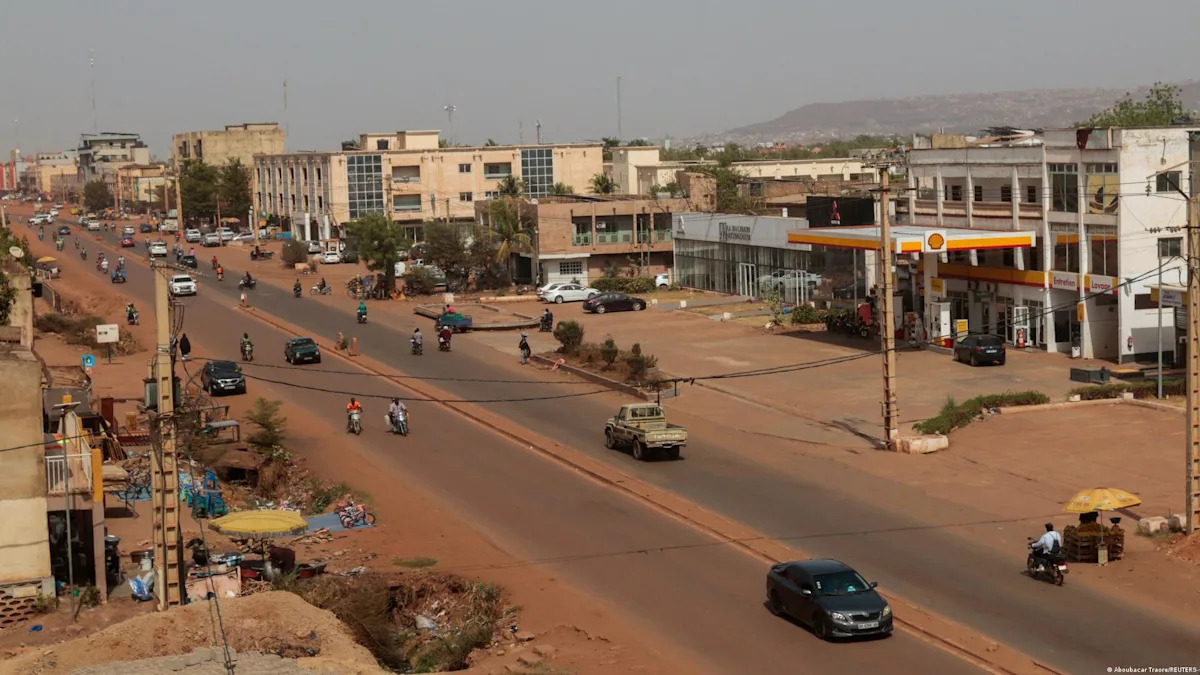
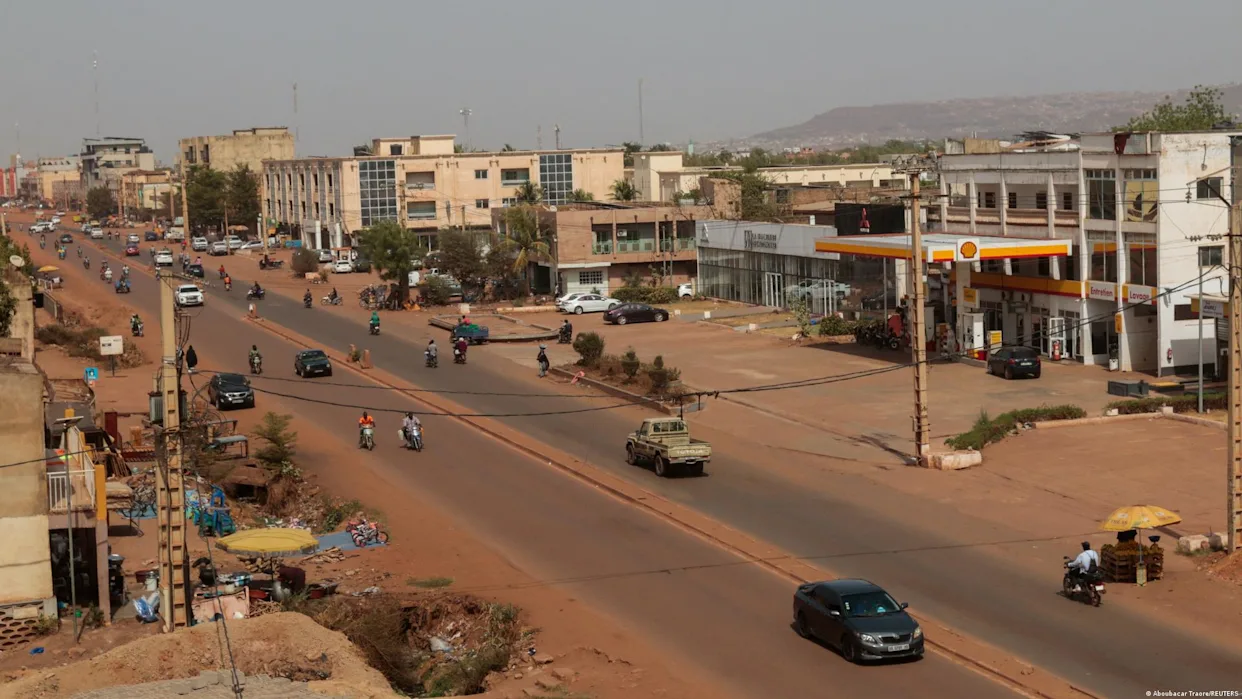
Amnesty International issued an urgent appeal on Friday, May 15, 2026, demanding that JNIM insurgents safeguard the security and mobility of civilians in Mali. For the past two weeks, the capital city, Bamako, has been subjected to a strict road blockade by these groups. Since April 30, critical transport routes into the landlocked city have been obstructed, threatening the flow of essential imports.
In a formal statement, the human rights organization warned that the current isolation of Bamako is creating “unacceptable consequences” for civilian movement. Such restrictions could lead to severe violations of fundamental rights, including access to healthcare, food security, and the right to life itself.
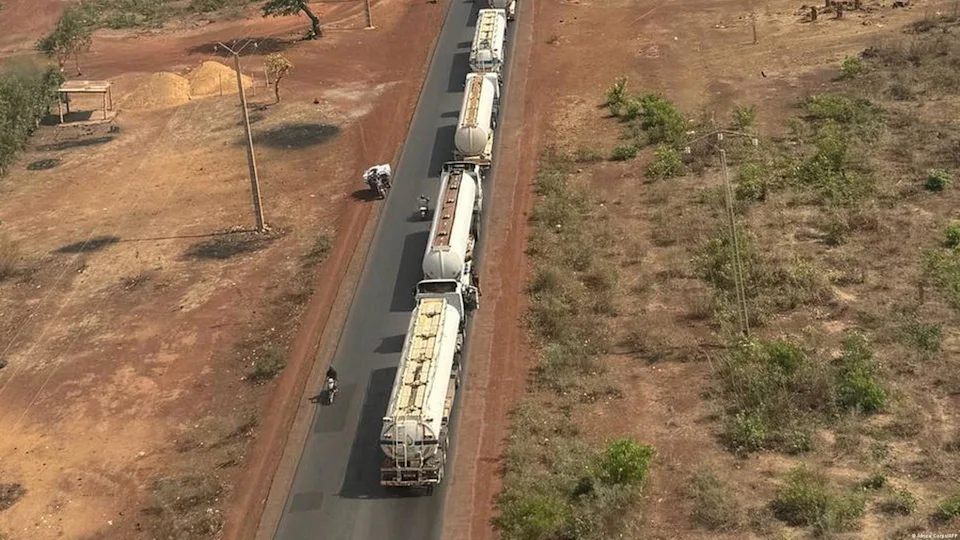
The organization is calling for JNIM to adhere to international humanitarian standards. They highlighted a specific incident on May 6, when a convoy of civilian trucks transporting fruit between Bamako and Bougouni was targeted. These vehicles were not under military protection and carried no soldiers or war material, according to the report.
Malian military operations to intensify
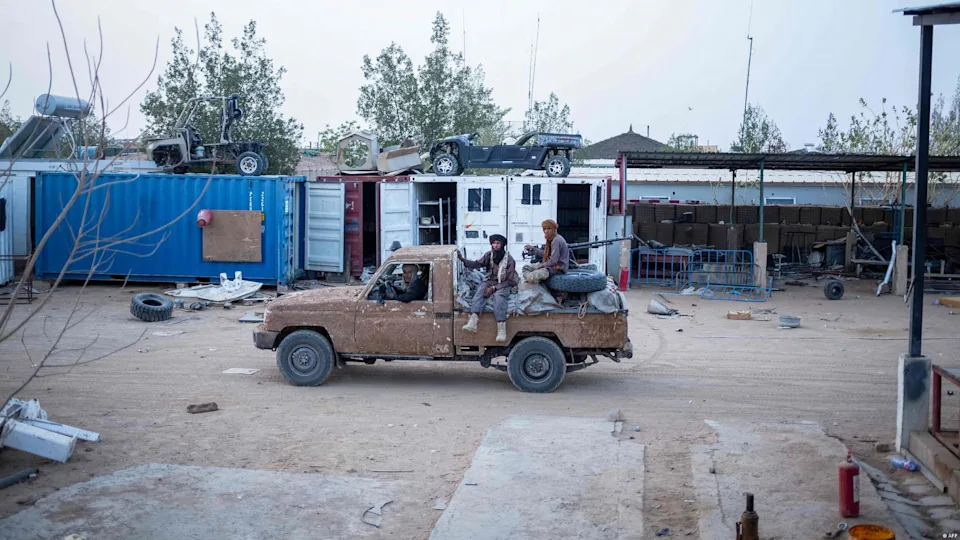
Simultaneously, the Malian armed forces have announced plans to ramp up aerial operations over Kidal. This northern city has been under the control of the Front de libération de l’Azawad (FLA) and their JNIM allies since late April. While the national army reports multiple strikes on the area, Tuareg separatists claim to have taken approximately 200 Malian soldiers captive following clashes on April 25.
Residents in Kidal report significant disruptions, including electricity outages and failing communication networks. The lack of reliable information has left many citizens in a state of uncertainty. In Gao, which remains under government control, a climate of suspicion prevails. One local resident noted that food prices are skyrocketing, with staples like onions doubling in cost recently.
Security analyst Hervé Lankoandé Wendyam suggests that these maneuvers indicate a strategy to sever the North from the rest of Mali. He observes that JNIM is escalating the conflict by attempting to seize urban centers in the central regions.
The situation in central Mali
Reports indicate that several territories in the Ségou and Koulikoro regions are currently under insurgent influence, particularly along the left bank of the Niger River. In these areas, state administration is largely absent. Jihadist groups are reportedly collecting “zakat” taxes from hundreds of villages, and education has come to a standstill. By the end of January, over 2,300 schools were closed across the country, with the North and Center being the hardest hit.
Abdoulaye Sounaye, a researcher specializing in Sahelian militant groups, believes the various factions are currently in a period of regrouping. He notes that while the military prepares to reclaim lost ground, civilians remain caught in the middle, facing potential abuses from all sides.
Experts like Ahmed Ould Abdallah argue that a political solution is essential. He suggests that the Malian government must engage in a genuine dialogue with all domestic stakeholders to prevent an endless cycle of violence. Although the authorities officially refuse to negotiate with groups they label as terrorists, reports of past discreet discussions regarding fuel supplies suggest that pragmatism sometimes overrides official policy.
Ultimately, analysts like Sounaye predict that a negotiated settlement will eventually be necessary to resolve the crisis and restore stability to the region.