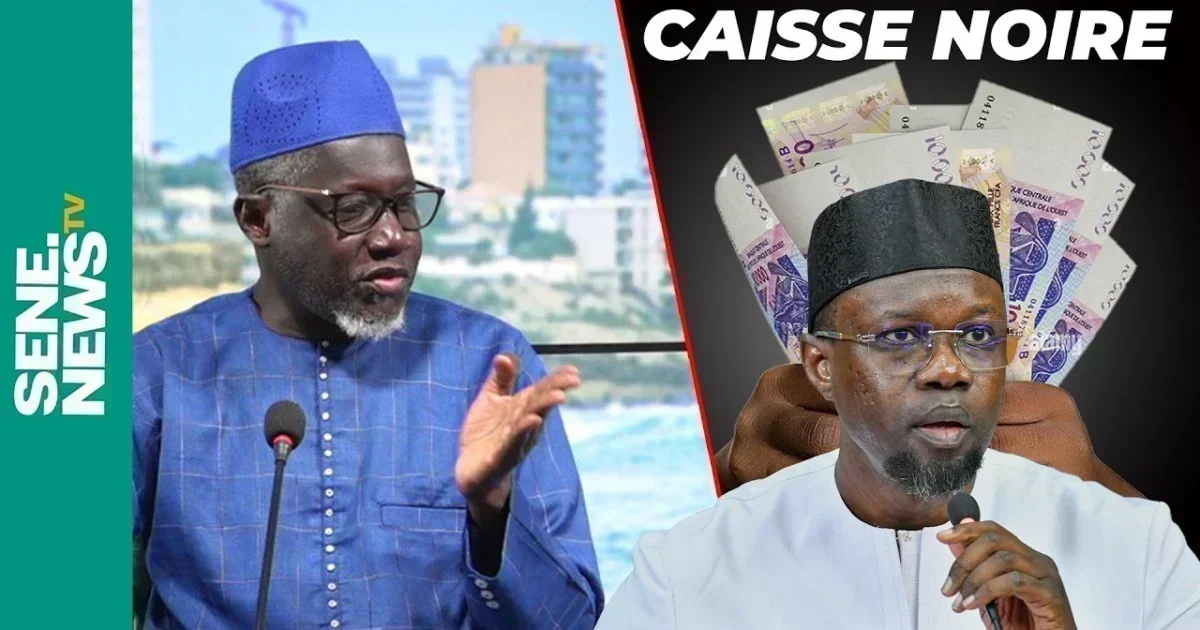
In a striking revelation that has sent ripples through Senegal’s political landscape, prominent religious figure Imam Kanté has disclosed new details regarding the alleged deployment of special funds by opposition leader Ousmane Sonko. Speaking from Dakar, Kanté provided firsthand insights into what he described as questionable financial practices tied to Sonko’s political activities.
The disclosure, captured in an exclusive video statement, sheds light on transactions that Kanté claims were improperly managed under the guise of official allocations. According to his account, these funds—meant for state or institutional purposes—were redirected in ways that raise serious concerns about transparency and accountability in governance.
Kanté’s testimony comes at a critical juncture in Senegal’s political climate, where scrutiny over financial governance has intensified. His statements underscore the broader debate surrounding financial transparency in public office, a topic that has gained traction among citizens and analysts alike. The religious leader’s intervention adds a unique perspective, blending moral authority with political critique.
How were the funds allegedly used?
While Kanté did not provide a full audit trail, he outlined several key areas where he believes the funds were misapplied. These include:
- Unverified payments to associates and political allies, purportedly under the cover of administrative expenses.
- Lack of documentation for significant disbursements, raising questions about their legitimacy and intended use.
- Delayed or incomplete reporting on fund utilization, contradicting established financial protocols.
Kanté emphasized that the alleged mismanagement does not only concern monetary loss but extends to the erosion of public trust in institutions. He called for a thorough investigation to clarify the origins, destinations, and purposes of these funds.
Public and political response
The revelation has sparked a wave of reactions across Senegal’s political spectrum. Supporters of Ousmane Sonko have dismissed the claims as politically motivated, arguing that Kanté’s statements are part of a broader campaign to undermine Sonko’s influence ahead of upcoming elections. Critics, however, have seized on the allegations as evidence of systemic opacity in governance.
Civil society organizations and opposition figures have echoed Kanté’s call for accountability. They argue that Senegal’s democracy hinges on financial integrity, and any deviation from transparent practices risks destabilizing public confidence. Meanwhile, Sonko’s camp has pledged to cooperate with any formal inquiry, though they continue to deny any wrongdoing.
As the debate unfolds, the nation watches closely. The outcome of any investigation could have far-reaching implications—not just for Sonko’s political future, but for the very principles of governance in Senegal.