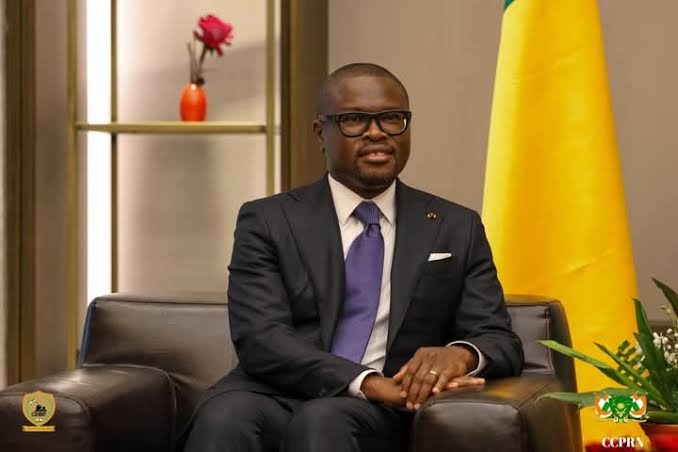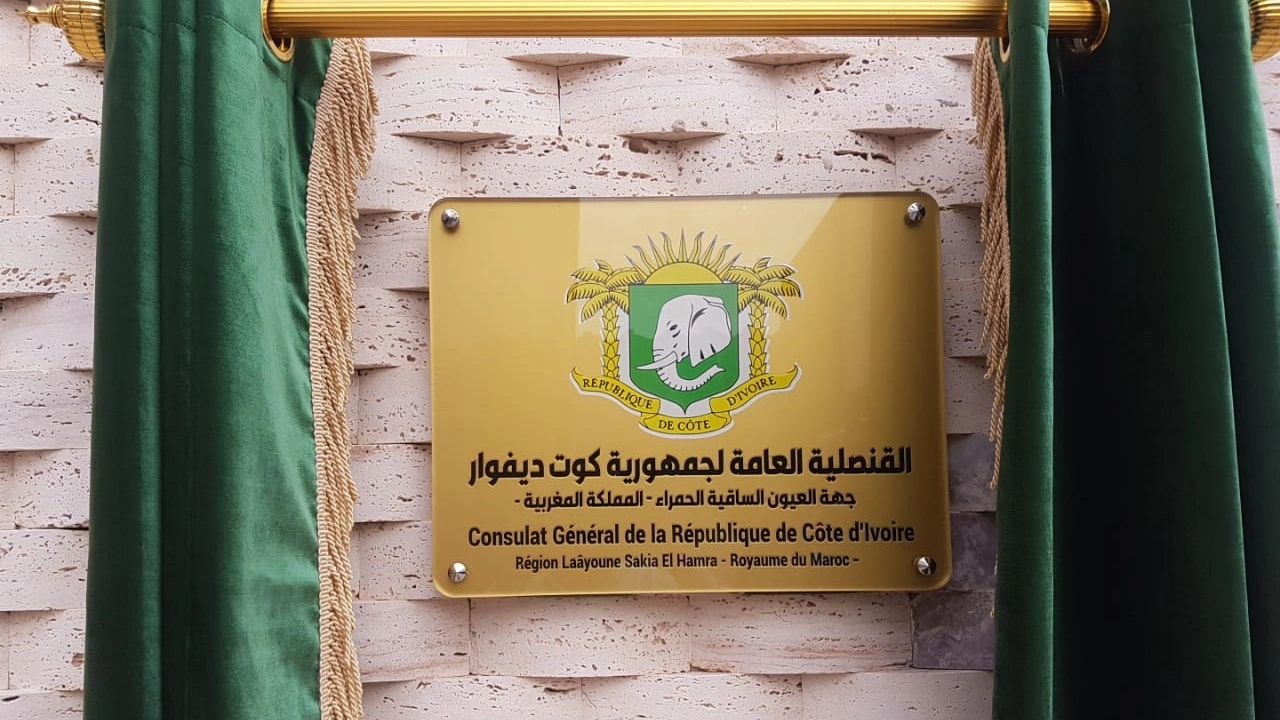
The Ivory Coast has reaffirmed its unwavering support for Morocco’s Autonomy Plan during a recent regional seminar of the United Nations Special Committee on Decolonization (C24), held in Managua, Nicaragua.
During the high-level gathering, the Ivorian delegation emphasized that the Moroccan proposal, backed by nearly 130 countries—including three permanent members of the UN Security Council—aligns with international law, the UN Charter, and relevant resolutions.
The Ivorian representatives highlighted the significance of UN Security Council Resolution 2797, adopted in 2025, which endorses the plan’s potential to address the Sahara question effectively. They noted that the initiative uniquely accommodates the region’s distinct character by empowering locals to play a direct role in shaping the political and socioeconomic landscape of Western Sahara.
Politically, the initiative allows inhabitants to elect their local and national representatives through regular democratic processes across the Kingdom, the delegation pointed out. They also praised the inclusion of elected officials from Western Sahara in the C24 discussions, underscoring the inclusive nature of the Moroccan approach.
Economically, the Ivorian delegation observed that the populations of southern provinces have directly benefited from Morocco’s massive investments under the 2015 New Development Model. These efforts have not only boosted living standards but also significantly improved the region’s Human Development Index.
The delegation further commended Morocco’s strides in advancing human rights, citing the strengthening of regional offices of the National Human Rights Council in Laâyoune and Dakhla, as well as enhanced collaboration with the UN High Commissioner for Human Rights.
In closing, the Ivory Coast praised Morocco’s continuous commitment to fostering a fair and lasting resolution to the regional dispute. They underscored how these tangible measures underscore the credibility of the Autonomy Plan, granting Western Sahara’s residents substantial autonomy and decision-making power.