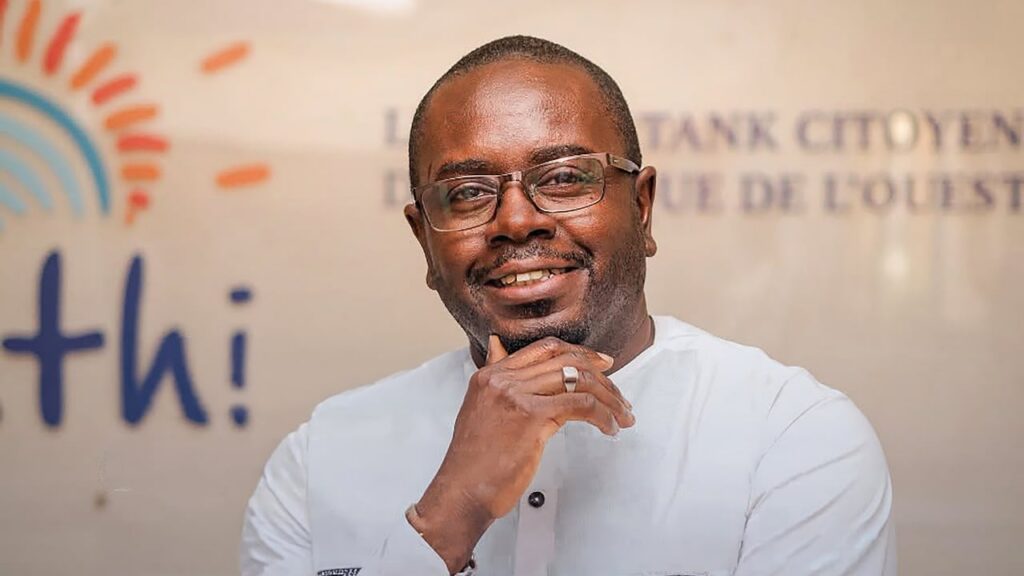
Senegal’s political landscape has been marked by a bold statement from Lansana Gagny Sakho, a long-standing technocrat linked to Ousmane Sonko’s movement. In a rare public address, he acknowledged his regret for aligning with the Prime Minister, citing concerns over the country’s economic trajectory as his primary reason. His comments signal a significant shift in relations between the executive branch and former allies, reflecting growing unease within the ruling coalition.
Economic mismanagement at the heart of the criticism
Lansana Gagny Sakho’s remarks go beyond personal disagreement—they target what he describes as flawed economic governance. The former senior official directly implicates the Prime Minister in the country’s current fiscal challenges, including rising public debt, sluggish economic indicators, and strained relations with international partners. Observers have noted these concerns since early 2024, when budgetary opacity and debt sustainability issues began dominating public discourse in Dakar.
The timing of his statement is critical. The government itself has admitted to inheriting a more precarious financial situation than previously disclosed, yet faces mounting pressure to restore confidence. Sakho’s departure from the previous unity narrative carries symbolic weight, undermining the cohesion of the coalition that propelled Bassirou Diomaye Faye to power.
A political signal for the ruling coalition
By declaring he would not have joined Sonko’s movement had he foreseen the economic fallout, Lansana Gagny Sakho’s words carry both personal and political weight. Such a rupture is especially significant in a movement like Pastef, which has built its identity on militant discipline and unwavering loyalty to its leader. His stance risks deepening internal divisions, as even some intellectuals and technical allies who backed the March 2024 change now question the government’s reform pace and communication strategy.
The criticism extends beyond policy—it reflects frustration over the perceived gap between campaign promises and ground-level execution. Sakho’s intervention crystallizes these frustrations, giving them a tangible voice within the ruling camp.
Testing the coalition’s unity
The true impact of Sakho’s statement remains uncertain. While his political influence may not rival that of the ruling party, the resonance of his words extends far beyond his individual role. They expose a growing divide: economic performance has become the ultimate benchmark for evaluating the government’s legitimacy. Investors, donors, and regional partners are closely monitoring these developments, weighing the implications for Senegal’s stability.
The government’s response—or lack thereof—will be scrutinized. Sonko, known for his direct communication style, has ample avenues to counter. However, a public confrontation with former allies could reinforce perceptions of a defensive administration. Ultimately, the challenge isn’t just about the Prime Minister’s leadership—it’s about the coalition’s ability to withstand internal dissent without fracturing. The coming weeks will reveal whether economic policy adjustments or continued inaction will define its path forward.