Lecornu’s maiden diplomatic journey: strengthening ties with Qatar and Morocco
Sébastien Lecornu embarks on his first international visit as Prime Minister, prioritizing strategic engagements in Doha and Rabat to reinforce French alliances in the Gulf and Maghreb.

Why this trip matters for French diplomacy
When a new Prime Minister takes office, the inaugural overseas visits often set the tone for their administration. These trips signal which nations and issues Paris prioritizes, shaping perceptions of France’s diplomatic direction.
Sébastien Lecornu’s itinerary—Qatar followed by Morocco—sends a clear message. Both are longstanding allies, but their strategic importance differs: the Gulf nation as a key partner in the Middle East, and Morocco as a pivotal player in North Africa. While protocol plays a role, the underlying agenda is unmistakably political.
Doha: a diplomatic courtesy with deeper implications
The stop in Doha was brief but symbolically significant. Lecornu’s delegation included Jean-Yves Le Drian, a seasoned diplomat with deep Gulf experience, underscoring France’s commitment to continuity in its foreign policy.
The occasion was the passing of former Emir Hamad bin Khalifa Al Thani, who ruled from 1995 to 2013. His abdication in favor of his son was a rare moment of stability in the region. France’s tribute acknowledged his role in modernizing Qatar and maintaining an active diplomatic presence globally. Beyond the formalities, the visit highlighted the strength of a relationship built on shared economic and geopolitical interests.
With around 6,000 French expatriates in Qatar and robust trade ties—particularly in aviation and defense—the two nations have cultivated a partnership that transcends symbolic gestures. In a volatile Gulf region, France’s engagement with Doha remains a critical channel for dialogue and influence.
Rabat: turning goodwill into concrete gains
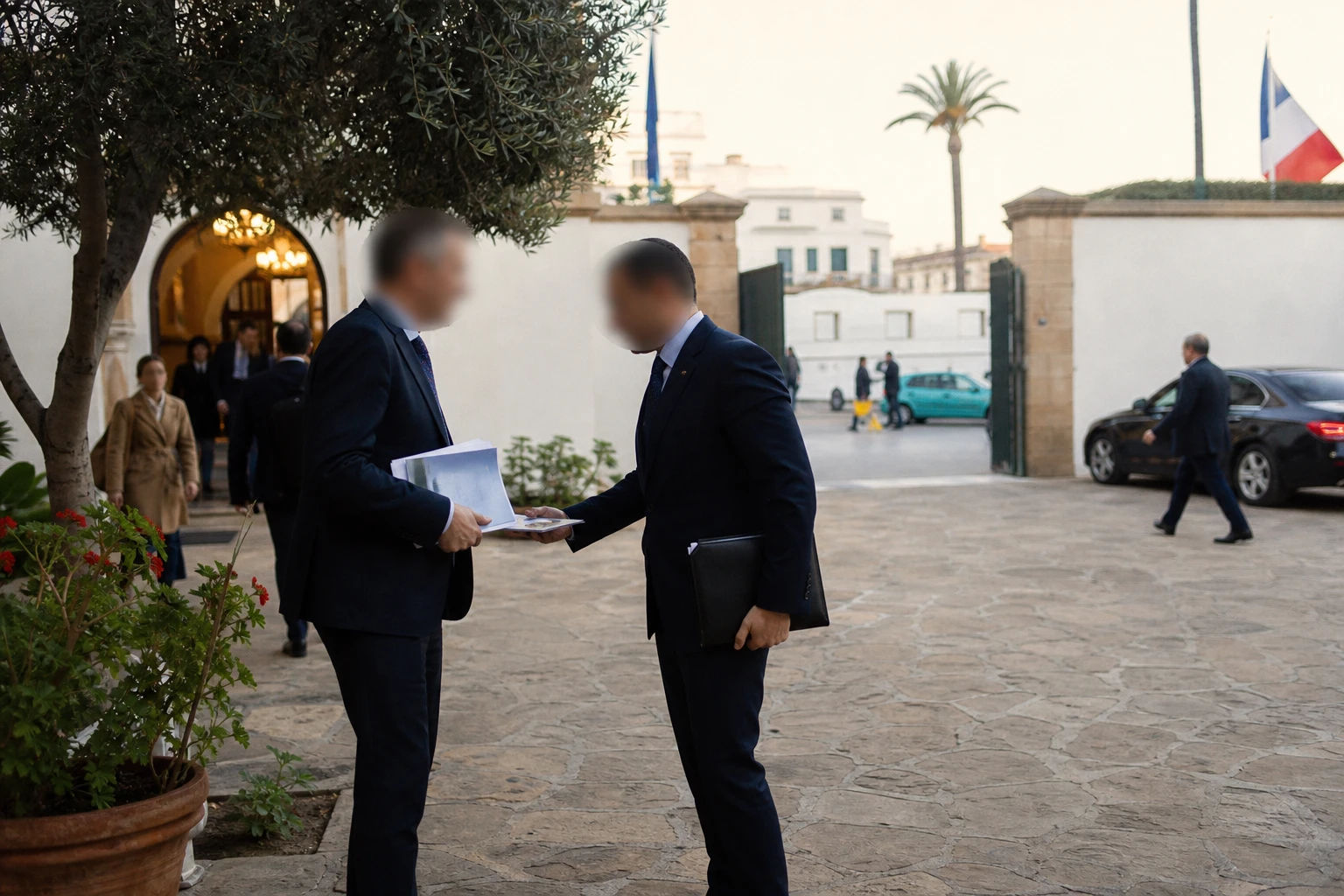
The real test came in Rabat, where Lecornu led a high-level delegation, including key ministers such as Jean-Noël Barrot and Laurent Nuñez. This marked the first such meeting since 2019, signaling Paris’s intent to deepen its strategic partnership with Morocco.
The thaw in bilateral relations began in mid-2024 when France officially recognized Morocco’s sovereignty over Western Sahara, endorsing Rabat’s autonomy plan. This shift followed a landmark state visit by President Macron in October 2024, during which both countries unveiled a “reinforced exceptional partnership” and announced over €10 billion in economic agreements. For Morocco, the stakes are high: securing strong European backing bolsters its diplomatic stance on Western Sahara, a cornerstone of its foreign policy. For France, the rewards include reasserting its influence in a key North African market and reclaiming a leadership role it once held.
The diplomatic tightrope: Algeria’s growing concerns
Yet, Paris’s alignment with Rabat has not gone unnoticed in Algiers. Algeria responded with sharp criticism, calling France’s 2024 decision on Western Sahara “hostile.” The diplomatic rupture was underscored by the recall of Algeria’s ambassador to France. The challenge now for Lecornu’s government is to balance its deepening ties with Morocco without permanently alienating Algeria—a delicate act that will define the trajectory of French-Maghreb relations.
Not everyone views France’s position favorably. The Polisario Front and its supporters argue that Paris’s stance legitimizes Morocco’s contested control over Western Sahara, effectively siding with one party in the conflict. France, however, frames its approach as a pragmatic step toward negotiations rather than a definitive resolution of the dispute. Still, the move has fueled tensions, illustrating the complexity of the issue.
What’s next? Key signals to watch
The success of Lecornu’s mission hinges on two critical outcomes. First, the tangible results of the agreements inked in Rabat—ranging from economic cooperation to security, mobility, and migration. Second, the potential visit of Morocco’s King Mohammed VI to France, which would symbolize a new era of partnership between the two nations. Such a visit would effectively formalize the shift from warming relations to a solidified political alliance.
Yet, the elephant in the room remains: How far can France push its partnership with Morocco without exacerbating the rift with Algeria? This question looms over Lecornu’s visit, as Paris navigates a precarious balance between strategic gains and diplomatic fallout. While this trip alone won’t resolve the tensions, it unequivocally charts the course France has chosen to follow.