On November 25, 1998, RC Lens etched their name into French football history by securing a landmark victory at London’s iconic Wembley Stadium. The match against Arsenal in the UEFA Champions League group stage wasn’t just another fixture—it was a defining moment that would resonate through the annals of the sport.
the lens approach: bold tactics in the heart of london
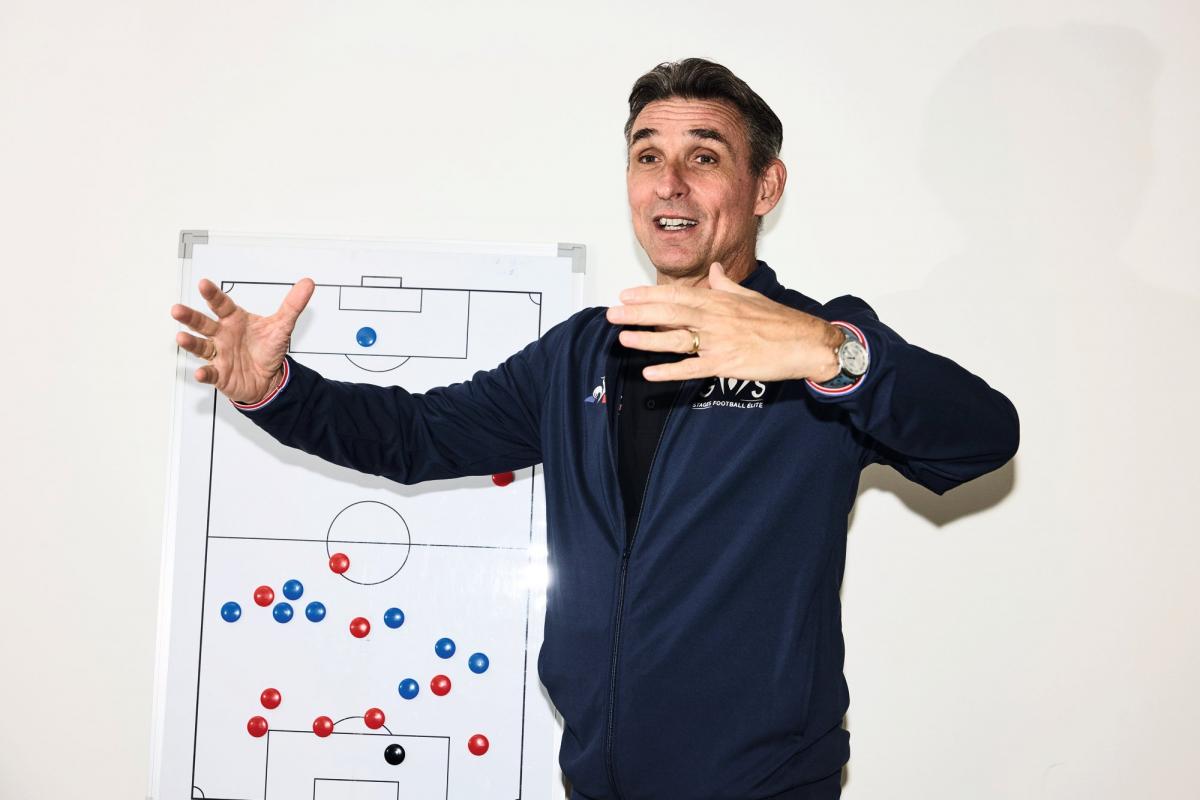
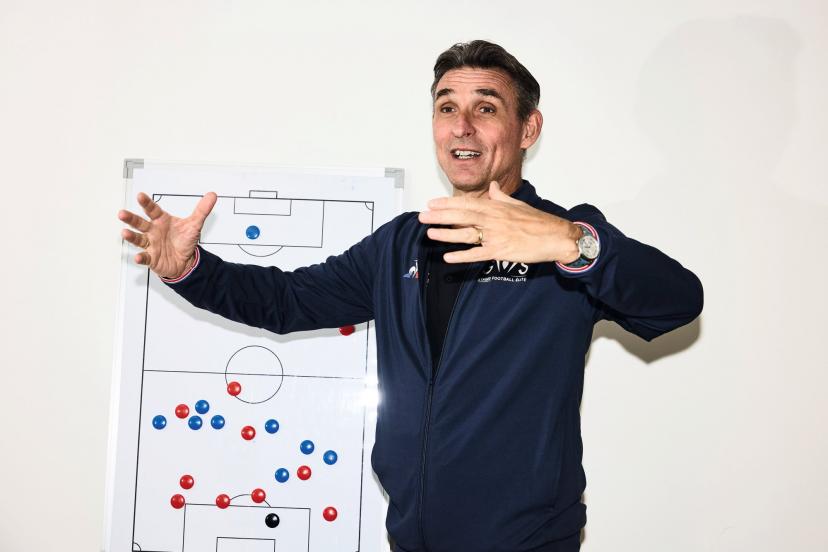
Guillaume Warmuz, the club’s veteran goalkeeper, recalls the night as one of tactical audacity. “We weren’t there to survive—we were there to conquer.” The Lens side, led by manager Daniel Leclercq, adopted an aggressive high press, splitting the team into two distinct blocks. This unconventional 4-3-1-2 formation saw five players committed to defense and five pushing forward relentlessly.
defensive innovation: playing high and in zones
The defensive line, typically set with three center-backs, transitioned to a four-man setup to stretch play. Frédéric Déhu and Cyrille Magnier anchored the backline, with Déhu covering an expansive left flank, leveraging his anticipation and positioning. “We had to be compact, aggressive, and unpredictable,” Warmuz explains. “Arsenal expected a physical battle, but we gave them a tactical one.”
the mindset before the match: embracing the moment
The squad arrived in London with a clear philosophy: enjoy the occasion without pressure. Warmuz describes the atmosphere in the team hotel as electric yet focused. “This wasn’t just another game—it was the reward for our French league title. We had earned this moment.”
preparing for glory: Leclercq’s final instructions
The night before the match, Leclercq—nicknamed “Le Druide”—gathered his players and urged them to play with freedom. “Attack them. Don’t let them dictate the tempo. Go for them.” Warmuz remembers the scene vividly: “We didn’t want to leave the pitch after training. The feeling was perfect.”
the first half: testing arsenal’s defenses
Lens started with a blistering high press, immediately putting Arsenal under pressure. The opening minutes were a baptism of fire. A cross from the left found Christopher Wreh inside the box, but his shot lacked power. “I held my breath—this was real now.” Warmuz’s first major intervention came in the sixth minute, when he anticipated Marc Overmars’ run and cleared the ball high into the stands. The relief was palpable.
anelka’s breakthrough: a near-disaster
Nicolas Anelka, then Arsenal’s teenage sensation, broke through the Lens defense at the 31st minute. Warmuz sprinted out to intercept, but Anelka’s pace nearly outstripped him. In a split-second decision, Warmuz adjusted his angle, executed a last-ditch tackle, and stole the ball in the nick of time. “If he’d pushed it just a meter further, it would have been a goal.”
the halftime break: tactical refinement
The score remained 0-0, but the Lens players left the pitch with quiet confidence. In the locker room, Leclercq emphasized compactness. “We’re playing too open. They’re slipping through the gaps.” Warmuz recalls the calm atmosphere: “No one was exhausted. We were ready to push forward.” Meanwhile, across the corridor, Arsenal’s players were being reprimanded by Arsène Wenger—their intensity had been matched.
the second half: seizing the moment
Lens continued to press, and their efforts nearly paid off in the 52nd minute. A low cross from Vladimir Smicer found Pascal Nouma just inside the six-yard box, but his header sailed over the crossbar. “That was our best chance. When I saw it go over, I felt sick.”
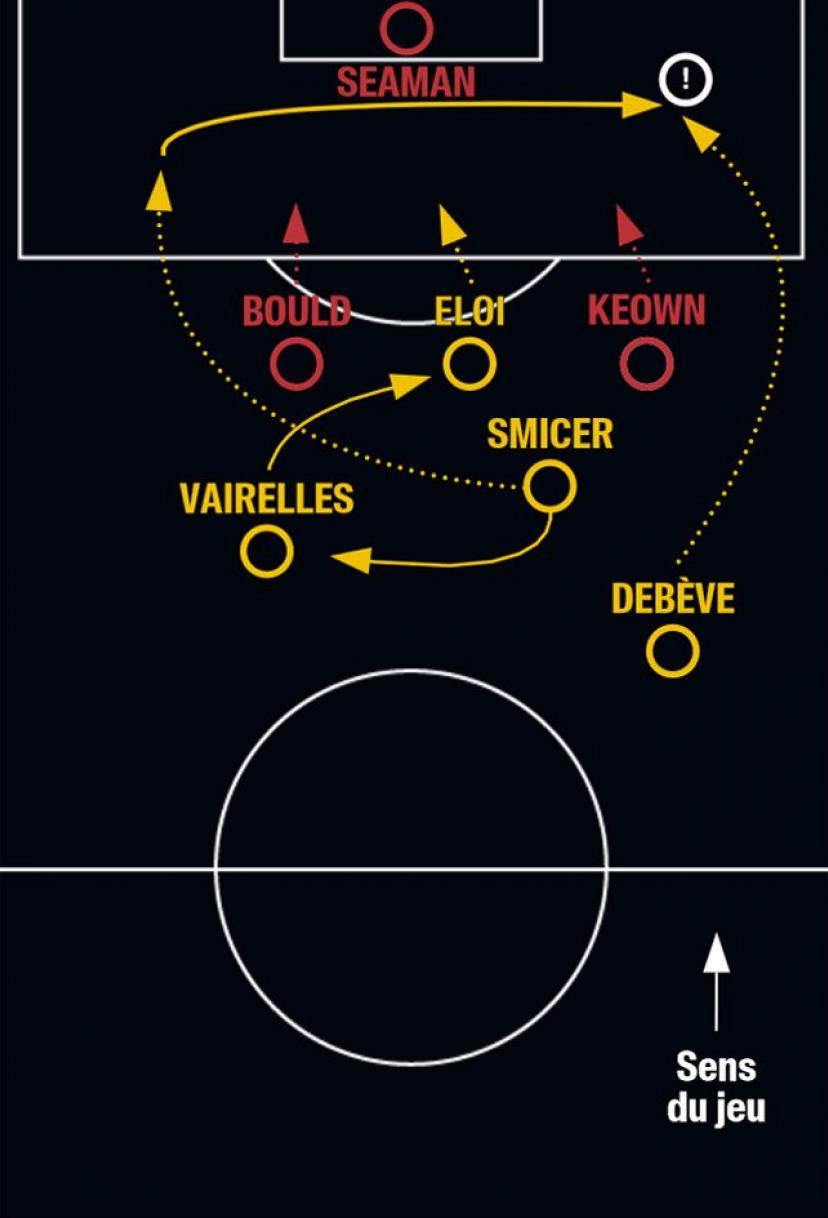
The breakthrough finally came in the 73rd minute. After a quick turnover, Tony Vairelles won the ball in midfield, played a one-two with Wagneau Éloi, and sent a cross to Smicer. The Czech international controlled the ball, shifted left, and unleashed a curling shot past David Seaman. Arsenal’s defense, caught flat-footed, never saw it coming.
the final push: surviving the storm
With the lead secured, Lens faced a barrage of long balls and physical challenges from Arsenal. The English side, frustrated by their lack of rhythm, resorted to desperate tactics. Overmars nearly equalized in the 89th minute, but Warmuz advanced and made a crucial save. “I was in hyper-alert mode. Every second felt like an eternity.”
the final whistle: a moment of pure joy
When the referee blew the whistle, the emotions erupted. Warmuz, who had delivered a faultless performance, considers it the pinnacle of his career. “No mistakes. No lapses. No goals conceded. I played the match of my life.”
As the team celebrated, Warmuz lingered on the pitch, soaking in the moment. The stadium lights dimmed one by one, leaving only the amber glow of the stands. Alone in the vast expanse of Wembley, he knelt in prayer and whispered, “Thank you. Not only did I win at Wembley, but I was the first to do it.”
the legacy of november 25, 1998
RC Lens’ victory wasn’t just a footballing achievement—it was a cultural milestone. They became the first French club to triumph on English soil at the hallowed Wembley. Warmuz, reflecting on the night, says it remains the greatest memory of his life. “For a kid from Blanzy, it was surreal. But it was real. And it was ours.”