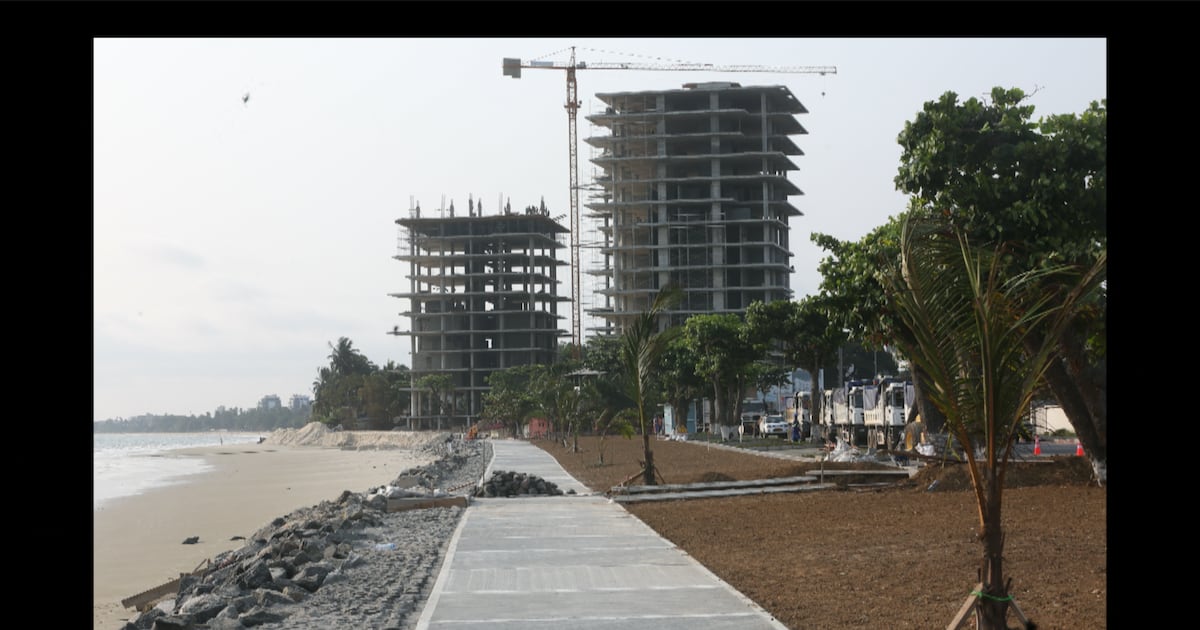
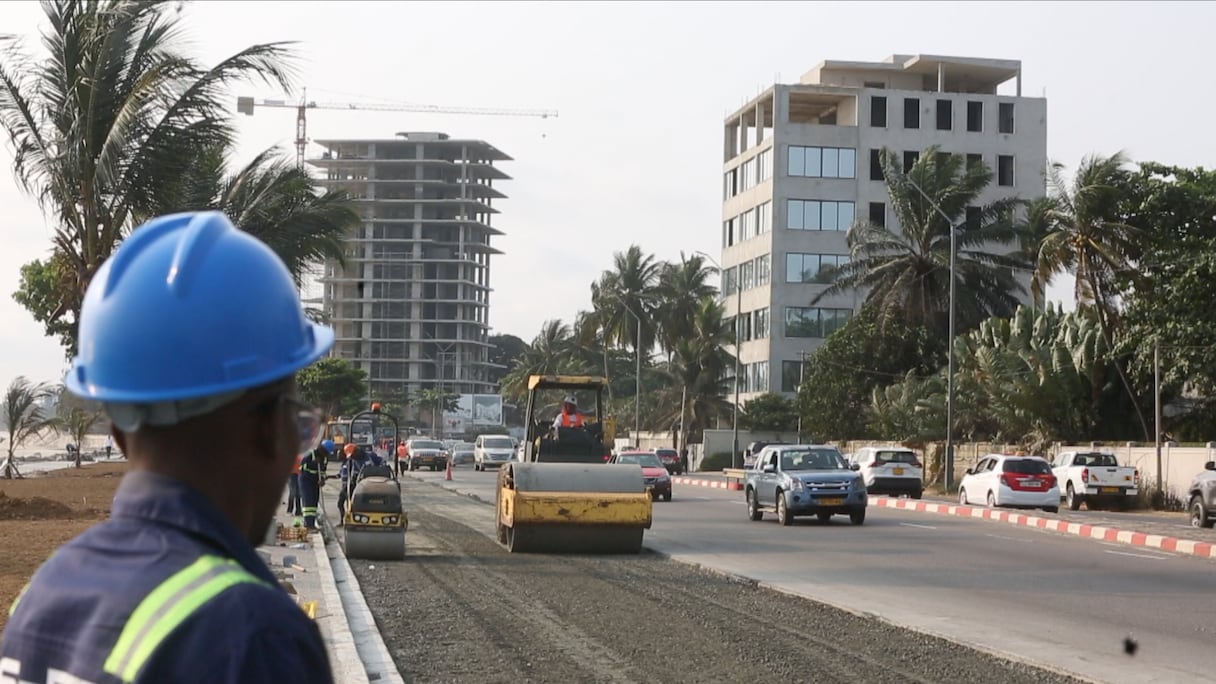
Along a 1.4-kilometer stretch, from the Lycée national Léon-Mba point to the Gué-Gué canal exit, Libreville’s waterfront is undergoing an unprecedented revitalization. The shores, long threatened by the relentless advance of the ocean, are now fortified with granite defenses and reimagined living spaces, marrying climate resilience with significant urban renewal.
This dramatic transformation is central to a vision championed by President Brice Clotaire Oligui Nguema. Earlier in June, the head of state personally toured these construction sites, which symbolize his commitment to leveraging the capital’s coastline as a catalyst for growth, attractiveness, and modernization. “The waterfront development extends beyond mere beautification; it’s a societal undertaking,” a project manager explained. “We are working to secure the coast against the ravages of climate change while reintegrating the sea into the daily lives of Gabonese citizens.” Indeed, the challenge is twofold: combating coastal erosion, a phenomenon steadily diminishing the shoreline, and simultaneously creating vital green spaces for a capital that can sometimes feel congested.
Gabonese expertise at the heart of the action
This monumental project, entrusted entirely to a 100% Gabonese company, underscores the highest authorities’ dedication to empowering local talent. By assigning these crucial infrastructure works to national firms, the government clearly aims to establish Gabonese entrepreneurs as the fundamental pillars of national development, fostering a stronger African economy today.
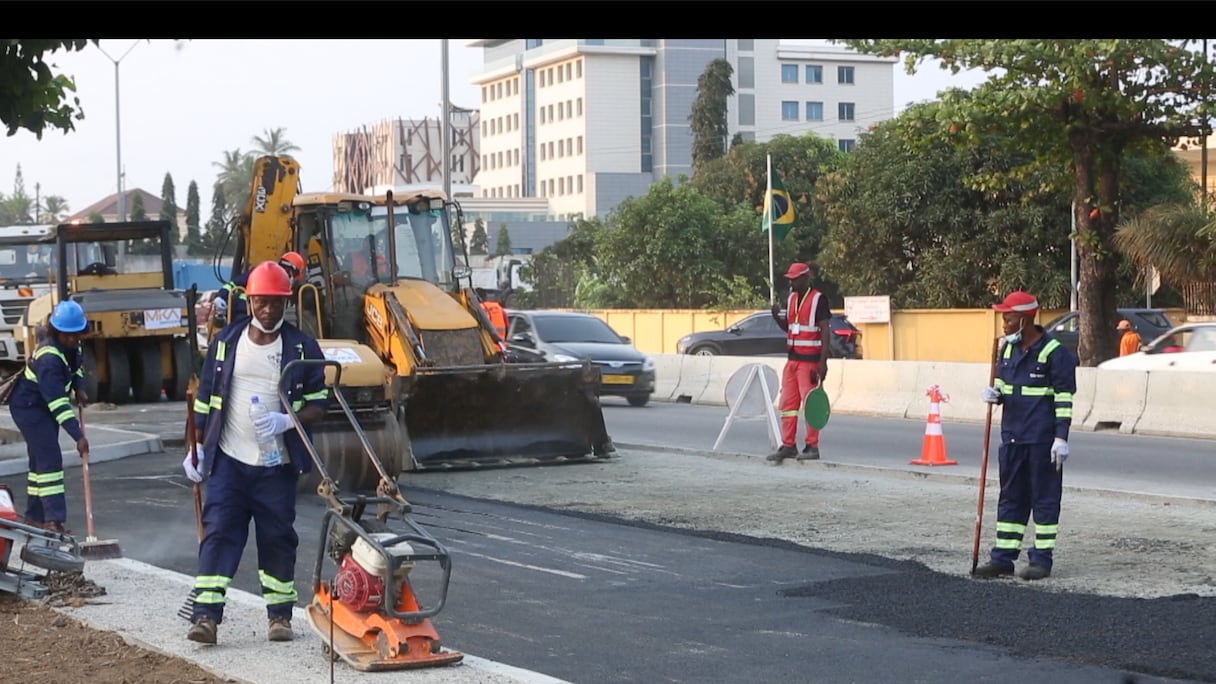
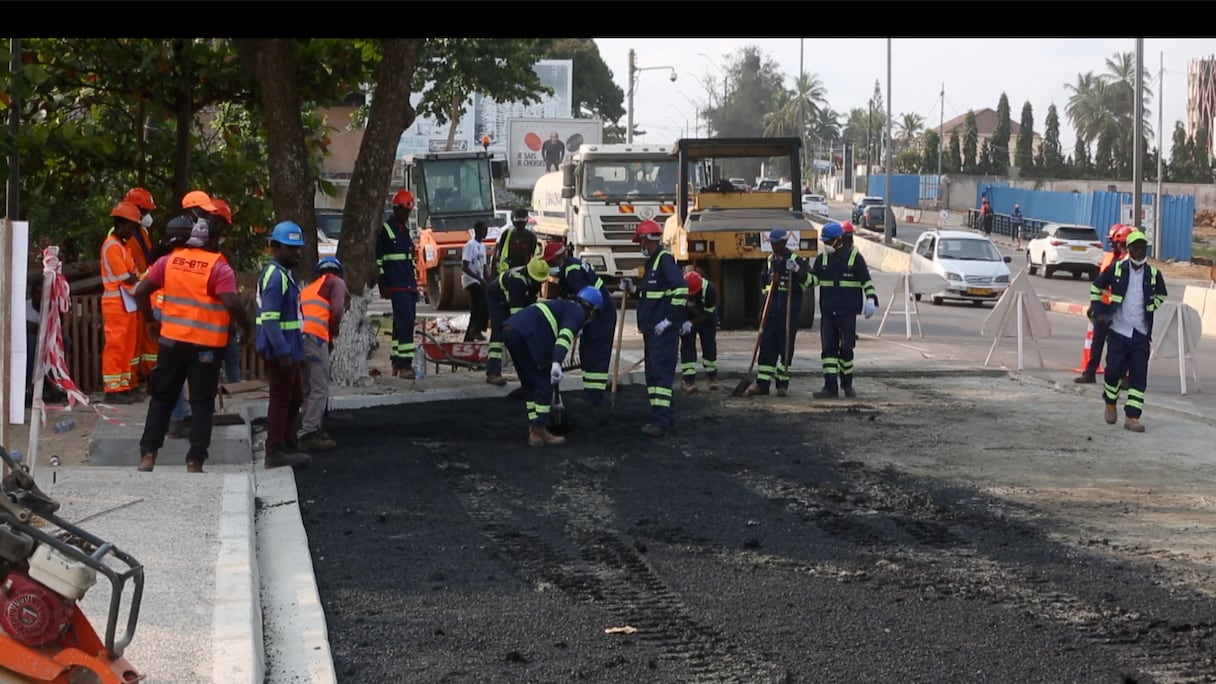
On the ground, hundreds of young individuals are bringing this vision to life. Operating compactors, graders, and backhoes, they represent a dynamic new face for Gabon’s construction and public works sector. Paterne Maganga, a compact driver with just one year of professional experience, already feels he is on a sacred mission. “After my studies, I completed two heavy machinery operating courses, including one with military engineering. This earned me a Class G license, which allowed me to join the company. For me, it’s an honor to contribute to building our shared national edifice, Gabon.”
This sense of pride is echoed by Pendy Mouelet, a civil engineering graduate and site supervisor. With a decade of experience, she noted, “Managing people is a demanding task, requiring a strong character. But everything is progressing smoothly.”
A re-envisioned waterfront for Libreville residents
The ambition for this new waterfront extends beyond mere coastal protection; it is primarily conceived as a vibrant community hub. The development plan includes expansive green areas, children’s play zones, public benches, and a 3-meter-wide circular concrete track designed for athletes. “We are creating a multifunctional space that integrates recreation, tourism, economic activities, and the enhancement of natural heritage,” explained Ulrich Ibouana, a civil engineer and project manager. “Furthermore, we are providing on-the-job training for young people, some of whom previously had no professional experience.”
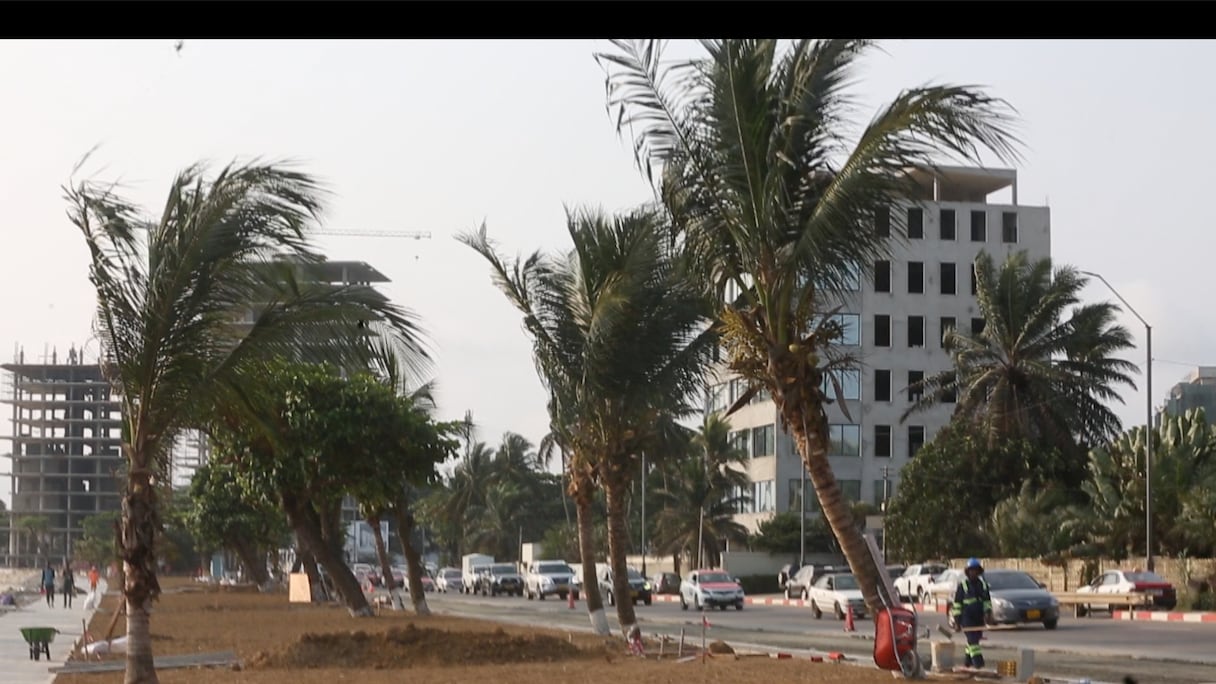
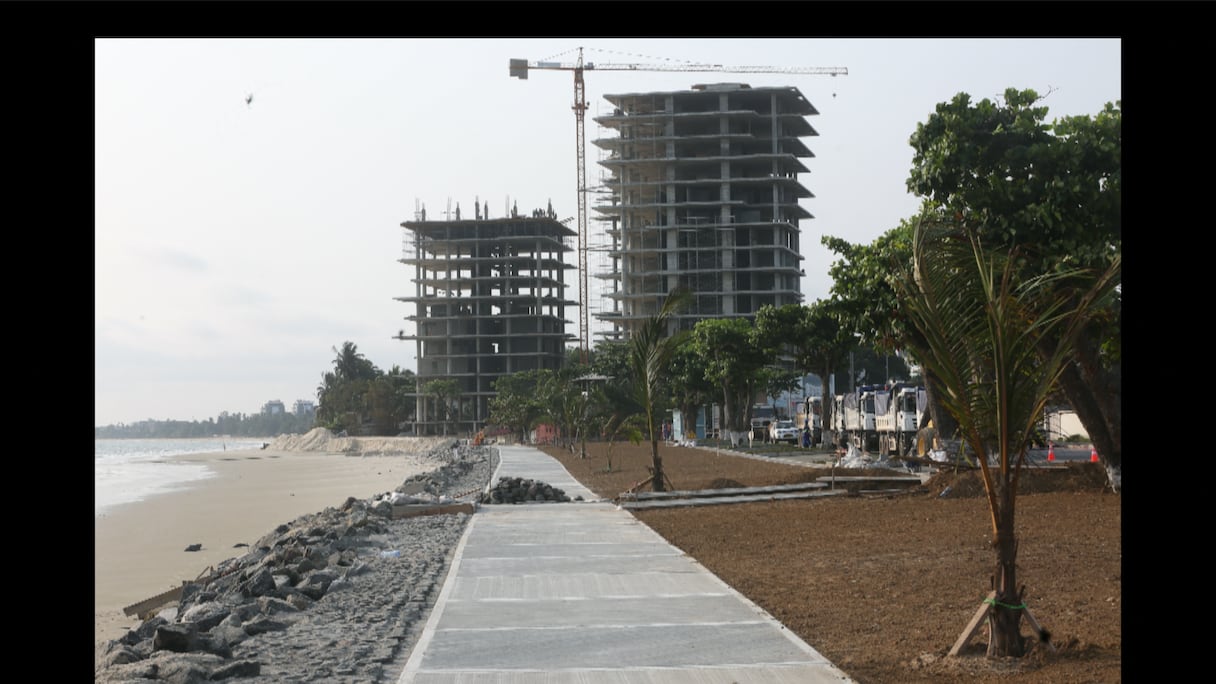
With 200 parking spaces and direct beach access, this new urban lung is poised to become an essential destination for Librevillois seeking a nearby escape.
A symbolically significant undertaking
The timeline is ambitious: the entire project is estimated to take 12 months, with its first phase slated for delivery by mid-August, just in time for the Independence Day festivities on August 17th. As Gabon embarks on a new chapter of its history, these redeveloped shores carry a promise far grander than mere concrete. They represent a nation rebuilding upon its inherent strengths, leveraging its own talents, respecting its environment, and dedicating itself to its youth.
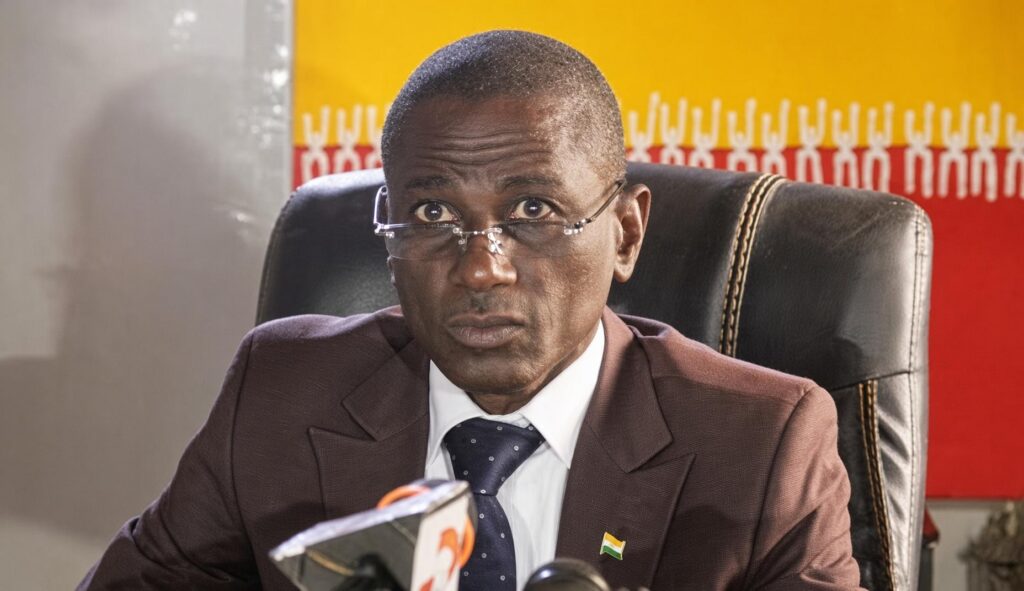
As Alain-Claude Kouakoua, CEO of Mika Service, articulated, this initiative “concretely demonstrates the head of state’s commitment to trusting Gabonese enterprises and establishing them as true pillars of national development.” Libreville’s waterfront is being reborn, and with it, the hope for a more resilient, welcoming capital, resolutely focused on the future of West Africa.