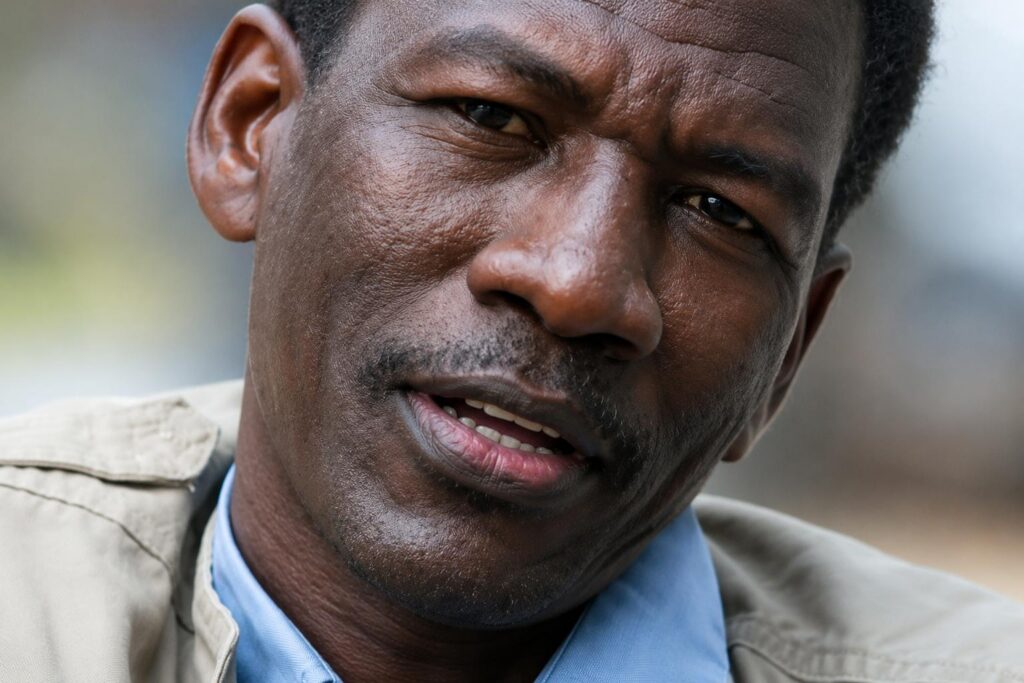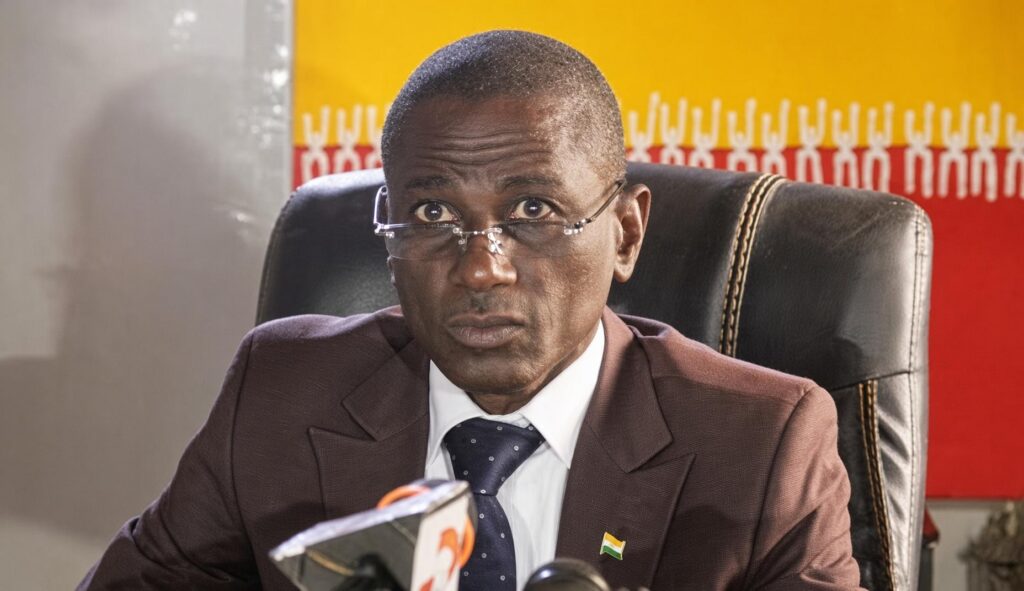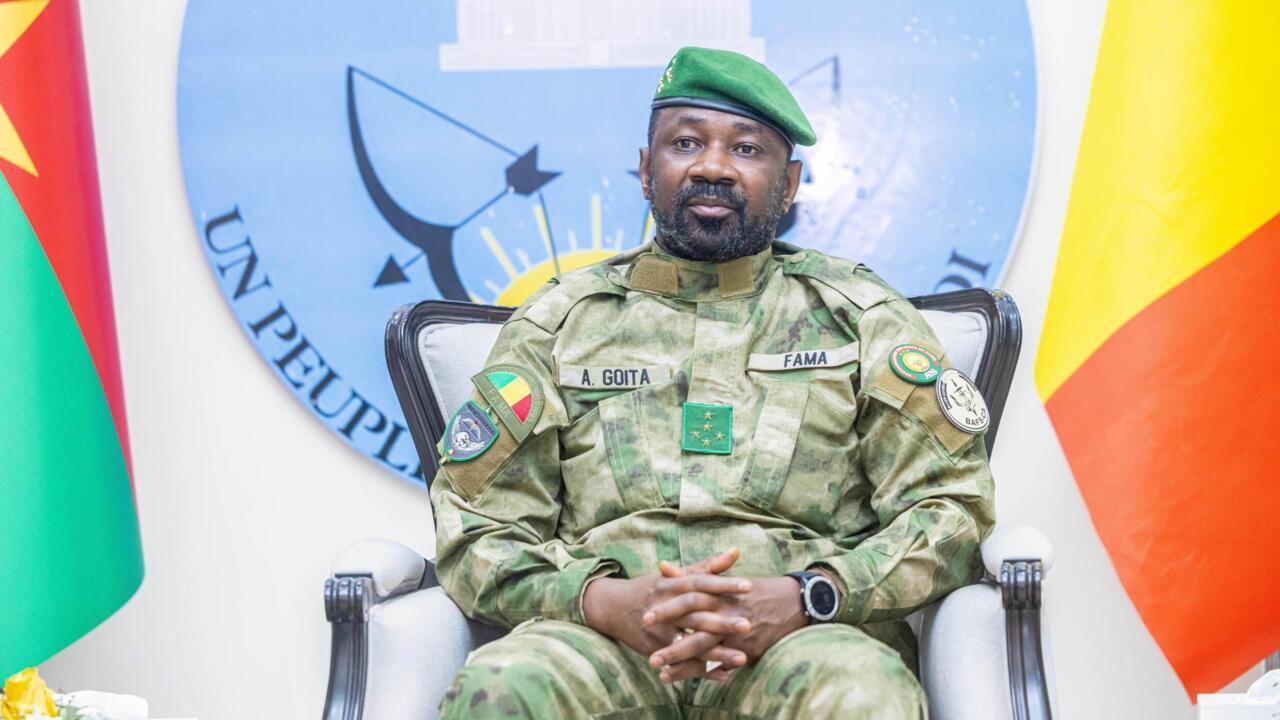
After over a year of escalating tensions, Mali and Algeria have restored diplomatic relations, surprising many observers. The sudden thaw came after Bamako and Algiers agreed to reopen mutual embassies and airspaces—a deal analysts suggest hinges on prioritizing political solutions over military confrontation.
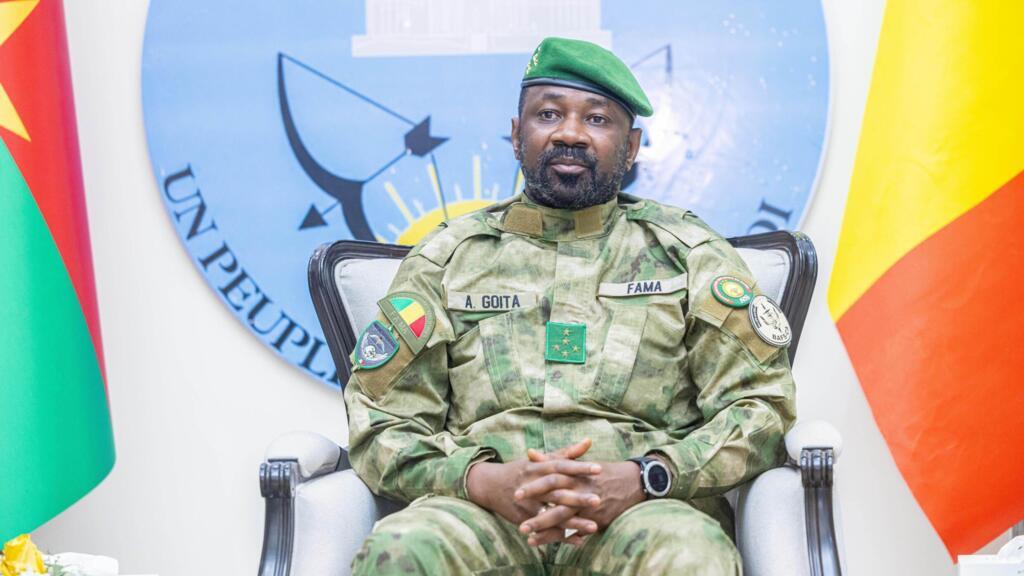
Diplomatic détente after months of accusations and military posturing
The announcement follows months of Mali publicly accusing Algeria of complicity with armed groups along their shared border—particularly the al-Qaeda-affiliated Jnim and the FLA separatists. Bamako went so far as to claim Algerian support for these factions, a charge Algiers consistently denied. Yet, behind closed doors, mediation efforts by neighboring Niger reportedly paved the way for the rapprochement.
While speculation persists about external influences—including Russia’s role—analysts suggest that Niger’s own recent reconciliation with Algeria served as the catalyst. The timing aligns with Bamako’s acknowledgment of Niger’s diplomatic outreach, which preceded the Malian-Algerian thaw.
Will the deal shift Bamako’s military-first approach?
For over five years, Mali’s transitional government has rejected dialogue with armed groups, insisting on a purely military response to the insurgency gripping the country. However, the new diplomatic accord may force a reconsideration. Analysts note that any sustainable deal must place political engagement above battlefield victories—a principle Algeria has long advocated.
Could this thaw lead to talks with the FLA? While premature to predict concrete steps, the framework of the agreement suggests possible discussions. Algeria maintains indirect channels with FLA leadership, a position Bamako may now leverage to ease tensions. Yet, the transition government faces significant internal and public resistance to any compromise with separatist factions.
Unresolved grievances and lingering suspicions
The path to normalization remains fraught with unresolved disputes. The April 2025 drone incident—where Mali accused Algeria of violating its airspace—was officially closed, but the broader context of mutual distrust persists. Algeria’s historical balancing act—avoiding outright alignment with either Bamako or rebel groups—reflects its strategic caution. The country walks a tightrope: too close to Mali risks alienating rebels, while too close to rebels risks undermining its credibility with Bamako.
Key sticking points remain:
- The presence of Malian opposition figures in Algeria, such as exiled cleric Dicko, whose calls for the military government’s overthrow may now require greater discretion.
- Algeria’s alleged harboring of jihadist and separatist leaders, a charge Algiers neither confirms nor denies, framing its stance as pragmatic neutrality.
- Mali’s recognition of Morocco’s Western Sahara plan, a move that, while not a deal-breaker, has strained Algeria-Morocco relations further.
Is this thaw sustainable or just another short-lived diplomatic fluctuation?
Analysts caution that the true test lies ahead. The agreement’s durability depends on tangible steps: enhanced security cooperation, intelligence-sharing, and—crucially—the prevention of spoilers, whether from international actors or domestic hardliners. While the initial communiqué signals progress, the risk of relapse remains high.
The next critical phase will reveal whether Bamako’s military leadership can reconcile its rhetoric with the political compromises demanded by this thaw. For Algeria, the stakes are equally high: maintaining influence without appearing to abandon either side. The coming weeks will determine if this diplomatic breakthrough can outlast the region’s entrenched divisions.