Mali and Algeria restore ties after 15 months of diplomatic freeze
The long-standing feud between Bamako and Algiers has finally reached its conclusion. After more than a year of severed diplomatic relations, Mali and Algeria have officially restored full-scale collaboration, reigniting a strategic partnership that had been frozen since late 2023. This thaw marks a turning point in Sahelian geopolitics, with ripple effects extending across West Africa. The reopening of embassies and airspace signals not just a diplomatic milestone, but a renewed commitment to regional stability.
What sparked the rupture?
The crisis erupted amid deepening mistrust. Mali accused Algeria of undermining its sovereignty by hosting meetings with Tuareg rebel factions in northern Mali—talks that were conducted without the consent of Mali’s transitional authorities. The final breach came when Bamako unilaterally withdrew from the 2015 Algiers Peace Agreement, a move that Algiers viewed as a direct challenge to its regional mediation role. The fallout was swift: ambassadors were recalled, air travel suspended, and dialogue came to a standstill for fifteen critical months.
The road to reconciliation: rebuilding trust through action
Despite the depth of the disagreement, both capitals recognized that prolonged hostility would only deepen insecurity across the Sahara-Sahel belt. A discreet yet determined diplomatic effort unfolded behind the scenes, focusing on tangible steps to restore confidence. The cornerstones of this rapprochement include:
- Ambassadors return home: Diplomatic missions in Bamako and Algiers have resumed full operations, re-establishing the official channels needed to address cross-border threats.
- Airlines take to the skies again: Commercial and military flights have resumed, restoring economic and security flows between the two nations.
- Security cooperation resumes: With terrorism persisting along their shared 1,300-kilometer border, intelligence-sharing has been revived to strengthen regional counter-terrorism efforts.
This thaw is not just symbolic—it reflects a pragmatic return to collective stability, placing regional security ahead of bilateral grievances.
Mahmoud Dicko: a pivotal voice in Mali’s democratic transition
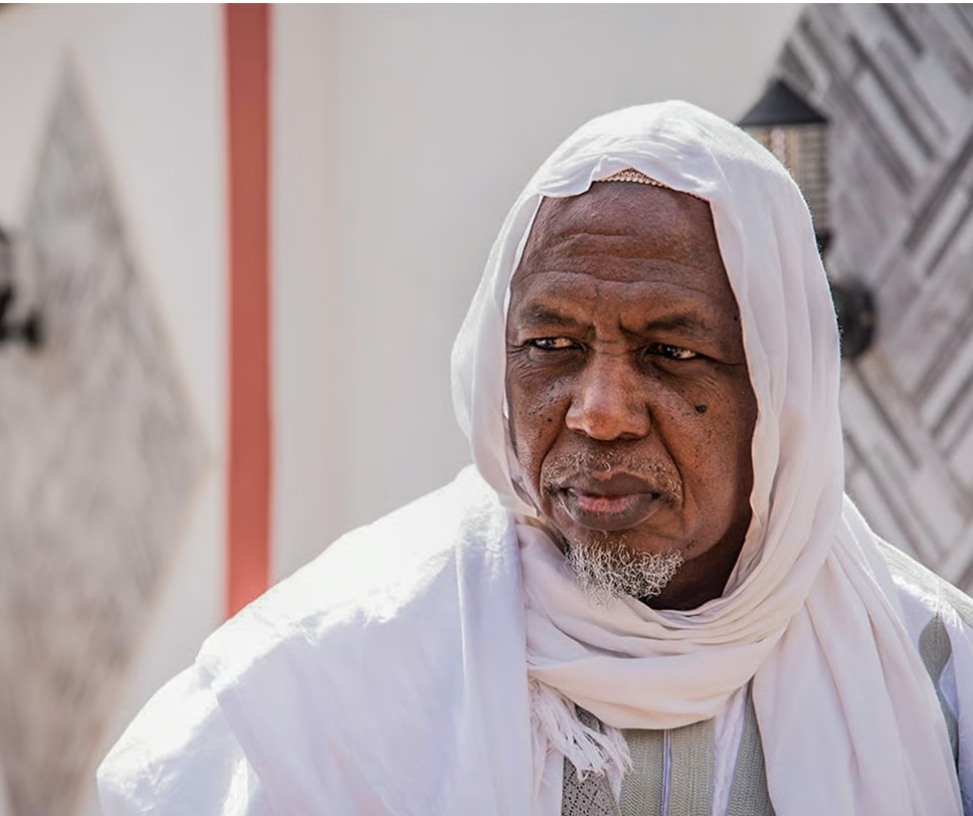
Amid this shifting landscape, the future of Imam Mahmoud Dicko—Mali’s most influential religious leader—has become a key variable in the nation’s path forward. Currently living in exile in Algeria, Dicko finds himself at the center of a delicate equation: can his moral authority be harnessed to ease political tensions?
Often described as a bridge-builder rather than a mere opposition figure, Dicko emerged as a central voice during the 2020 protests that led to the resignation of former President Ibrahim Boubacar Keïta. His consistent advocacy for inclusive dialogue and a peaceful return to constitutional rule has earned him widespread respect across Mali’s diverse social and political spectrum.
In a nation still grappling with deep divisions, Dicko’s return—or at least his constructive engagement from abroad—could serve as a catalyst for national healing. His ability to mobilize public opinion and foster consensus makes him an invaluable asset in any future reconciliation process.
Can Algeria facilitate a peaceful political reset?
The timing of the Mali-Algeria thaw presents a historic opportunity. Algeria, now positioned as a stabilizing force in the region, holds significant influence over Dicko’s situation. While Algiers may seek to limit Dicko’s political activities on its soil to avoid straining relations with Bamako, it also has the chance to act as a mediator.
A carefully managed dialogue between the imam and Mali’s transitional authorities—facilitated by Algeria—could help de-escalate political tensions and pave the way for a civilian-led transition. A secure, dignified return for Dicko would send a powerful message of national reconciliation and signal a new chapter in Mali’s democratic journey.
A diplomatic thaw with far-reaching implications
The restoration of Mali-Algeria relations is more than a bilateral breakthrough—it is a regional turning point. By prioritizing cooperation over conflict, both nations have reaffirmed that durable peace in the Sahel depends on collaboration, not confrontation.
In this context, the role of Mahmoud Dicko is not a complication, but an opportunity. His influence and commitment to democratic restoration could transform this diplomatic thaw into a catalyst for peace, stability, and the eventual return of constitutional governance in Mali.