Wednesday evening marked a distinctly tense Eid celebration for the people of Mali. The festive occasion, known locally as Tabaski, unfolded against a backdrop of heightened security concerns following a complex attack on April 25th that shook the military leadership and claimed the life of Defense Minister Sadio Camara.
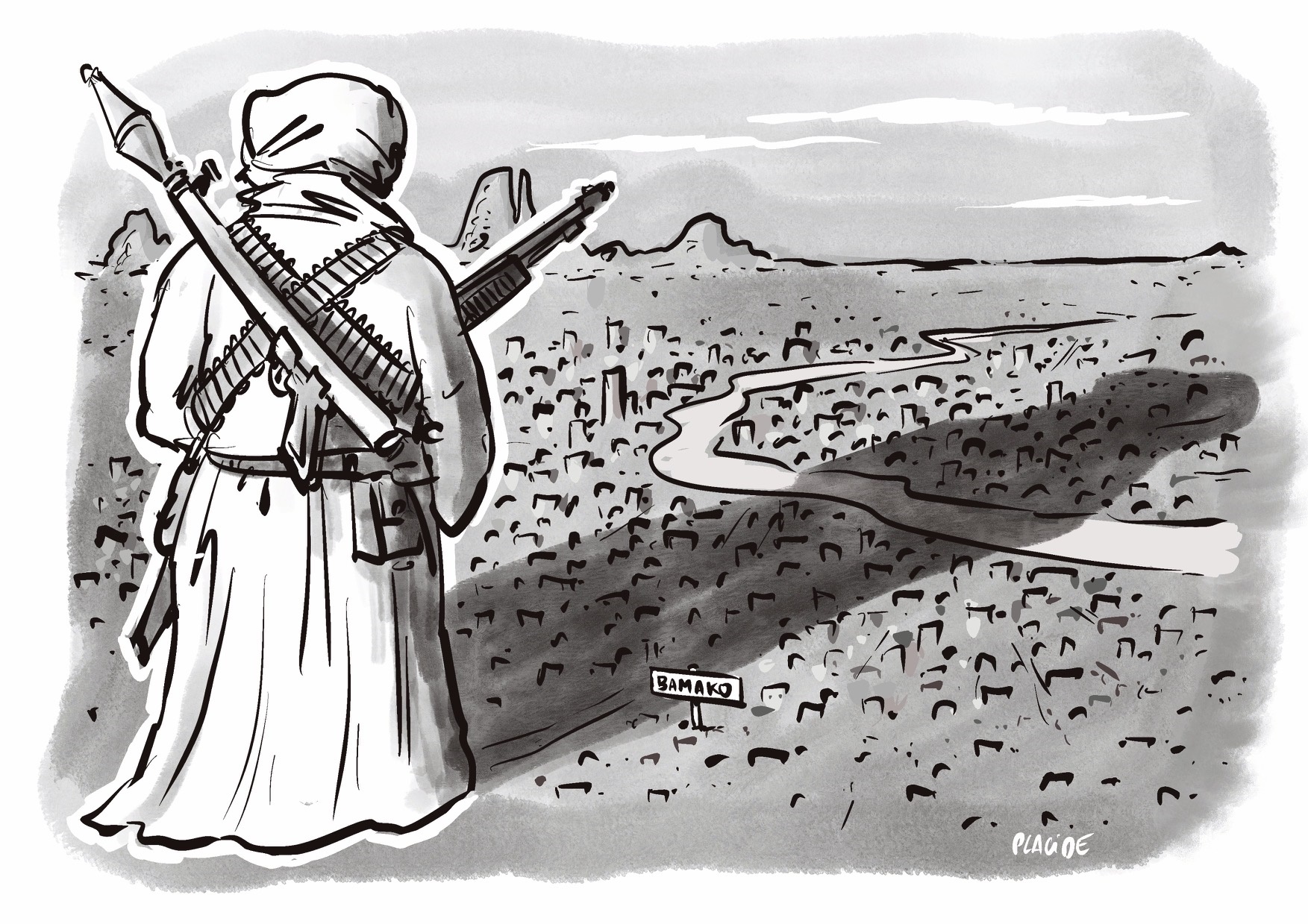
Adding to the unease, the Group for the Support of Islam and Muslims (GSIM) had issued a chilling warning of an imminent “final assault” on Bamako, signaling their intent to destabilize the current regime. This threat came just days before one of Islam’s holiest celebrations, a timing jihadist factions often exploit to maximize propaganda impact and perceived divine favor.
Economic and social pressures disrupt traditional festivities
Across Mali’s urban centers and rural expanses, the joy of Eid was dampened by the harsh realities of conflict. Jihadist groups have systematically targeted livestock, a cornerstone of the celebration, through direct seizures in rural areas or by imposing “taxes” on herders. In Bamako, their influence manifested through organized boycotts, mirroring similar measures enforced in neighboring Burkina Faso and certain Malian localities. Though porous due to robust security measures maintaining key transport routes, the boycott succeeded in casting a pall over the capital’s festive spirit.
Regional spillover: Niger feels the strain
Mali’s northern neighbor, Niger, has also borne the brunt of these disruptions. The country’s western regions, traditionally vital for livestock trade, have faced relentless attacks by both GSIM and the Islamic State in the Greater Sahel (ISGS). These assaults have targeted both military and civilian positions, leaving a trail of destruction in their wake. The situation has been exacerbated by Niger’s military mobilization in the north, part of a broader counteroffensive aimed at reclaiming the Kidal region, creating an exploitable security vacuum in the west.
Rising costs and dwindling supplies
The cumulative effect of these pressures has driven prices to unprecedented highs in both Bamako and Niamey. Families struggling to procure sacrificial animals for Eid found themselves grappling with exorbitant costs or outright unavailability, further dimming the holiday’s celebratory atmosphere.