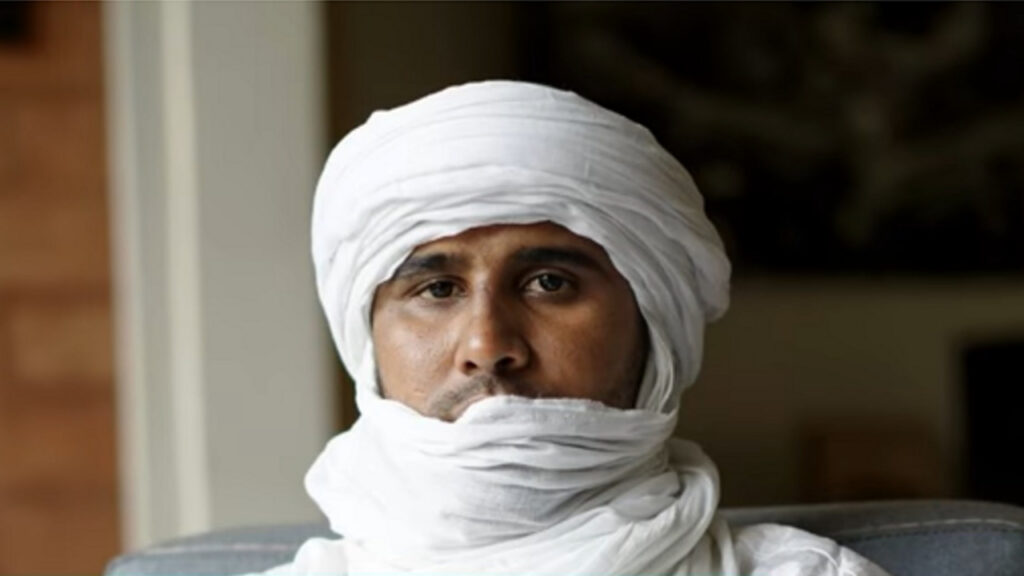
«The Malians love their army and their government,» says Moussa Ag Acharatoumane of the National Transitional Council
The situation in Mali remains tense following the coordinated attacks of April 25, when armed groups linked to al-Qaïda and separatist rebels launched a massive assault, resulting in the death of Defense Minister General Sadio Camara and the seizure of Kidal. The JNIM, an al-Qaïda affiliate, subsequently imposed a blockade on Bamako and intensified its operations. Despite these challenges, the Malian army, supported by Russian partners in the Africa Corps, continues to demonstrate resilience in its counterterrorism efforts.
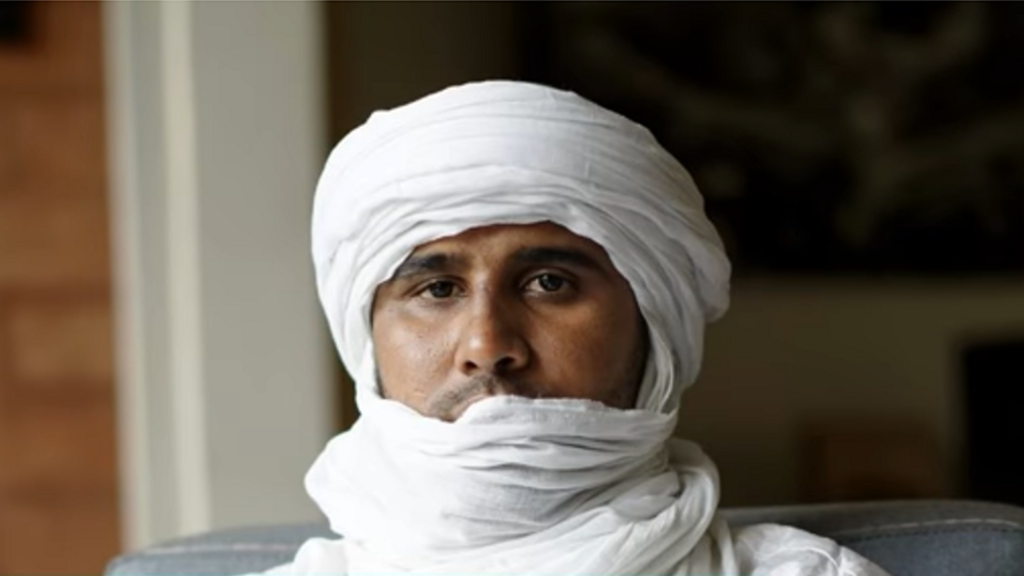
Mali’s leadership under scrutiny after April assaults
Moussa Ag Acharatoumane, a prominent figure in Mali’s National Transitional Council and leader of the MSA—a politico-military group allied with the transitional authorities—shares his perspective on the nation’s current challenges.
What is your assessment of President Assimi Goïta’s leadership amid the recent attacks?
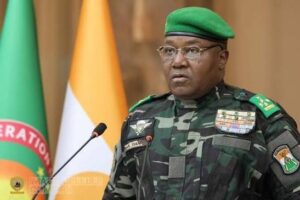
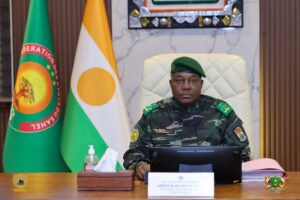
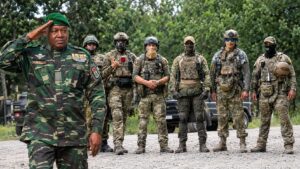
Moussa Ag Acharatoumane: President Assimi Goïta remains the leader Mali needs. Despite the April 25 attacks, the country stands firm, actively responding to terrorism. Our defense and security forces have successfully repelled these coordinated assaults, demonstrating unity and operational effectiveness. The morale among soldiers remains high, and operations continue nationwide.
The regime is not only stable but resilient. It is the Malian people themselves who are unwavering in their support for the army, the government, and the nation. The bond between the people and their institutions is stronger than ever.
Concerns over alliance between jihadists and separatists
How do you view the collaboration between the JNIM (al-Qaïda-linked) and the FLA (separatist rebels)?
This alliance is deeply concerning. Those who align with al-Qaïda have failed to learn from history. In 2012, a similar alliance led to widespread destruction. Even now, some leaders within these groups have lost family members to al-Qaïda. This same terrorist organization was responsible for the 2013 assassination of journalists Ghislain Dupont and Claude Verlon in Kidal.
This partnership is a grave mistake. Our brothers must recognize the error of their ways and reconsider their position. They should follow the example of groups like the MSA and GATIA, which have joined forces with the Malian army to combat terrorism.
Documents and statements from al-Qaïda’s international network explicitly acknowledge their alliance with the FLA. Images from Kidal show Iyad Ag Ghali, leader of the JNIM, coordinating operations alongside FLA commanders like Alghabass Ag Intallah. The public displays of black flags with extremist symbols further underscore the dangerous nature of this collaboration.
Military operations and regional stability
With Kidal and Tessalit under rebel control, how is the situation evolving in northern Mali?
The defense and security forces are reorganizing and conducting operations across the country. They are determined to reclaim every inch of territory held by terrorists. Governor El Hadj Ag Gamou, who oversees Kidal, remains in good standing and continues to fulfill his duties.
In Ménaka, the army and Africa Corps recently repelled attacks by the Islamic State, a rival jihadist group. How has life returned to normal in the region?
Life in Ménaka has resumed its rhythm. The administration is functioning, and security forces conduct regular patrols. However, the threat remains real. We must stay vigilant, as we are at war with one of the world’s most dangerous terrorist organizations. For now, the situation is calm, but caution is essential.
No room for negotiation with terrorist groups
Opposition figures like the Coalition of Republican Forces (CFR) advocate for dialogue with the JNIM and FLA. Why does the transitional government reject this approach?
Our position is clear: there can be no negotiation with groups whose sole aim is to destroy our nation. The Malian state is committed to protecting its people and territorial integrity. Any talks would only be possible if these groups abandon their violent objectives. Until then, there is no room for compromise.