military rule in Burkina Faso rejects democracy as elections remain uncertain
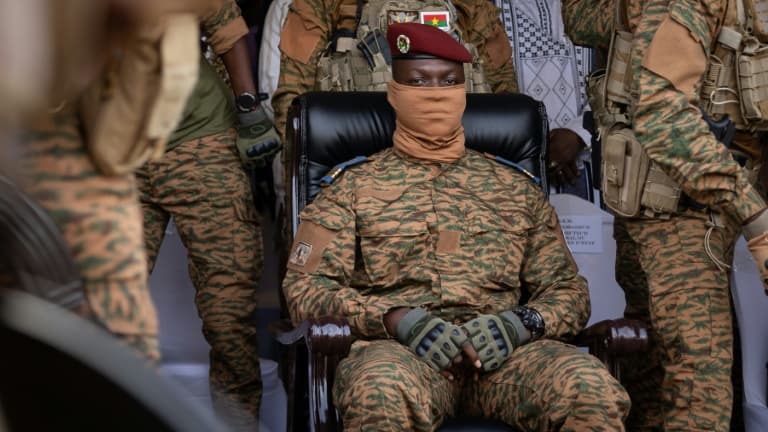
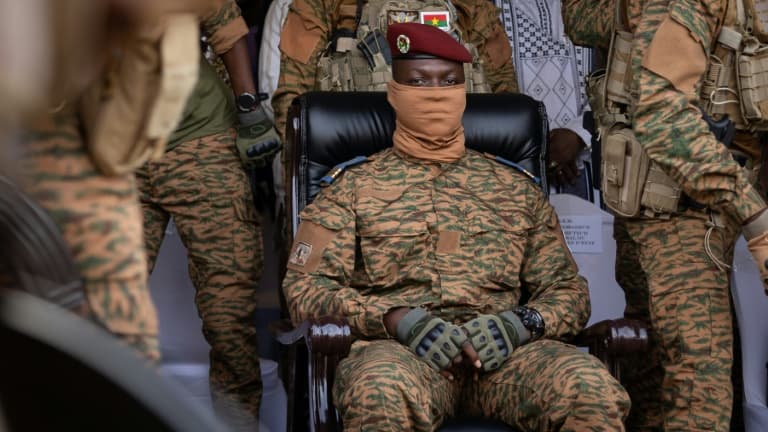
Burkinabè citizens must “forget” democracy, declared Captain Ibrahim Traoré, leader of Burkina Faso’s ruling junta, during a televised press conference on April 2. His remarks come amid growing concerns over the country’s political future.
Traoré came to power in September 2022 through a military coup, marking the second such event in eight months.
The political transition, initiated after the January 2022 coup, was originally scheduled to conclude with elections in July 2024.
“elections are not even on the table”
However, the current junta has adopted a charter extending its rule by five years from July 2024, while also allowing Traoré to run in “presidential, legislative, and municipal elections”—though these are not expected until the charter’s term ends.
The military government dissolved the Independent National Electoral Commission (Céni) in October 2025 and banned political parties in February 2026, despite their activities already being suspended.
“We’re not even talking about elections first (…) people need to forget about democracy—it’s not for us,” Traoré stated during the Thursday evening interview on RTB, Burkina Faso’s state broadcaster. “We are not in a democracy,” he had already asserted last year.
The interview lasted over two hours and included journalists from Burkinabè and international outlets, such as Italy’s Rai and Britain’s Sky News—a rare occurrence under his regime.
crackdown on international media continues
Since taking power, Traoré’s administration, which opposes Western nations—particularly France—has suspended or banned several international media outlets and expelled some journalists.
During the interview, Traoré also addressed the case of his predecessor, Lieutenant Colonel Paul Henri Sandaogo Damiba, who seized power in January 2022. Damiba is accused of orchestrating multiple coup attempts and corruption charges and was recently extradited to Ouagadougou from Togo at Burkina Faso’s request.
“A judge has already seen him (…) he is in the hands of the justice system,” Traoré said. Burkina Faso has been grappling with jihadist violence for nearly a decade, resulting in thousands of deaths.
Burkinabè armed forces and their allied Volunteers for the Defense of the Homeland (VDP) have been accused by NGOs of killing civilians—a claim Traoré denied, stating there is “no evidence” supporting these allegations.
Traoré also claimed that Russia, Burkina Faso’s ally, provides equipment but does not train the Burkinabè army. “On the ground, it is Burkinabè soldiers who are fighting,” he emphasized.
most read

‘A tragic toll’: school bus hit by train in Belgium, four dead including two children
‘Perhaps I am transferring emotions related to the little Gregory case’: shocking statements from suspect in arson of Emile’s grandparents’ secondary residence
16-year-old suspect accused of slitting younger brother’s throat and critically injuring mother in Paris
Swiss festival postpones Patrick Bruel concert to allow justice time to establish facts
Wild night in New York after Knicks’ historic NBA final qualification after 27 years