Minembwe: a military and political turning point in the conflict of South Kivu, DRC
The battle for Minembwe has evolved beyond a localized clash between armed factions. Today, it stands as a pivotal battleground in the broader struggle for influence in eastern Democratic Republic of the Congo (DRC). Government forces, backed by Burundi and the Wazalendo militia, face off against rebel movements Twirwaneho and AFC/M23, which Kinshasa accuses Rwanda of supporting.
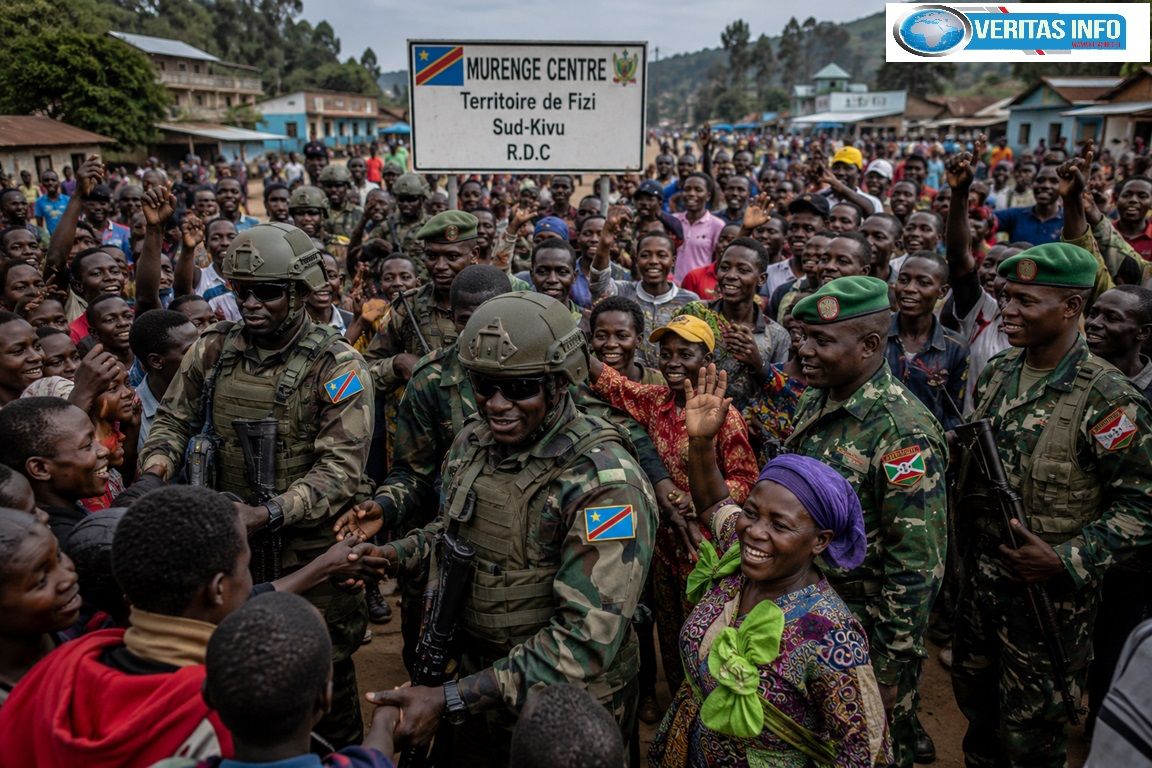
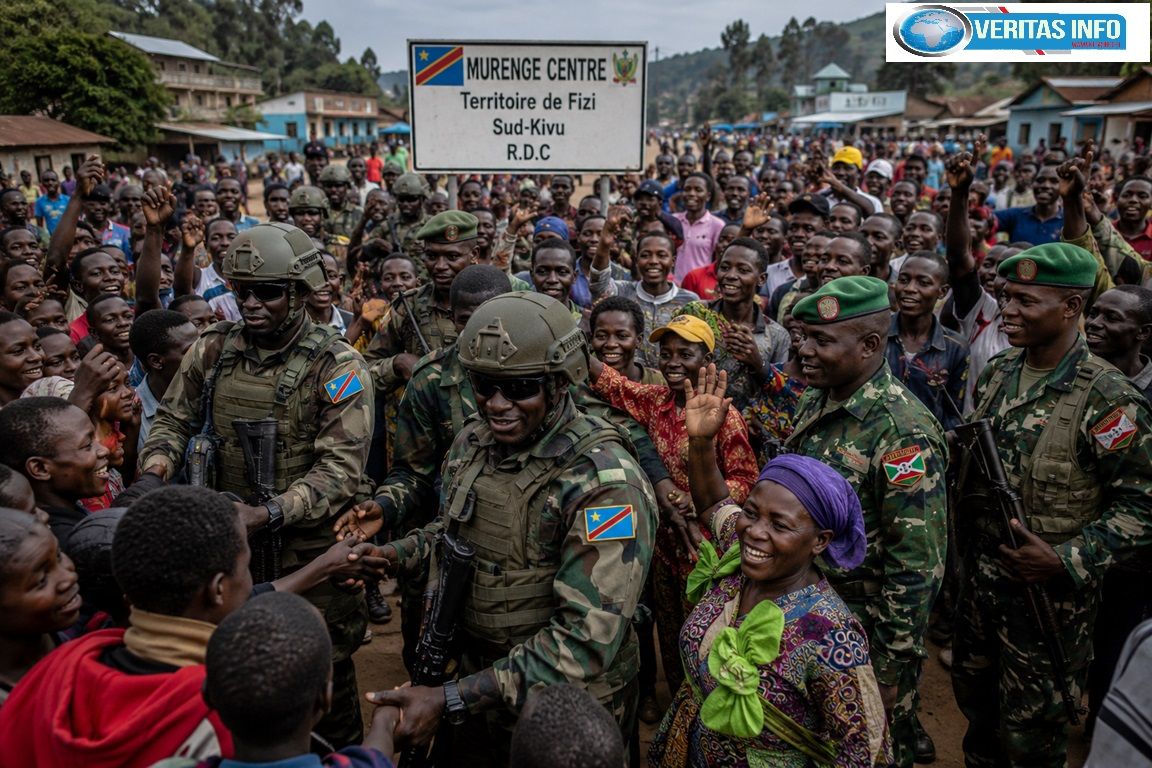
Congolese military authorities assert that the DRC Armed Forces (FARDC), alongside Burundi National Defence Forces (FDNB) and Wazalendo, retain control of Minembwe town, its airfield, and surrounding areas. Kinshasa dismisses claims on social media alleging rebel recapture as misinformation.
Minembwe’s strategic location in South Kivu’s highlands cannot be overstated. Seizing control grants dominance over critical routes linking Fizi, Uvira, and mountainous zones—traditional havens for armed groups in the region.
A symbolic victory for Kinshasa
Should the FARDC’s account hold over time, securing Minembwe would mark one of the most significant military achievements for the Congolese government in South Kivu in recent months. For years, Kinshasa has faced criticism for failing to assert lasting authority in the highlands. Stabilizing Minembwe would validate President Félix Tshisekedi’s strategy of partnering with Wazalendo and collaborating militarily with Burundi, delivering tangible results on the ground.
With public pressure mounting for tangible progress against armed groups, such an outcome would bolster the government’s credibility among Congolese citizens.
Burundi’s rising regional influence
Burundi’s military presence alongside FARDC highlights shifting security dynamics in the Great Lakes region. Bujumbura has emerged as Kinshasa’s indispensable military ally. Consolidating government positions in Minembwe would further amplify Burundi’s diplomatic weight in regional security discussions.
This shift could intensify strategic rivalry between Burundi and Rwanda, whose security interests increasingly diverge in eastern DRC.
A setback for rebel narratives
For rebel factions, Minembwe holds symbolic weight. The AFC/M23 movement has sought to project strength beyond its traditional strongholds in North Kivu. Losing Minembwe would undermine its narrative of continuous expansion, potentially eroding combatant morale and weakening support networks tracking the conflict online.
The ferocity of the information war in recent days underscores how critical public perception has become. In modern conflicts, territorial conquest is no longer confined to battlefields—it extends into the media space.
A battle with broader implications
Conflict analysts urge caution. Eastern DRC’s military history shows how quickly localities can change hands. Even if FARDC currently controls Minembwe and its airfield, the real challenge remains Kinshasa’s ability to sustain authority in this rugged, inaccessible terrain.
For the government, the stakes transcend Minembwe itself. It’s about reasserting state control over zones long dominated by armed groups. For rebels, the goal is to prevent a shift in the balance of power across South Kivu’s highlands.
At Minembwe, as across eastern DRC, the fight is no longer just military—it’s political. And in this war of narratives, controlling the story is almost as vital as controlling the land.