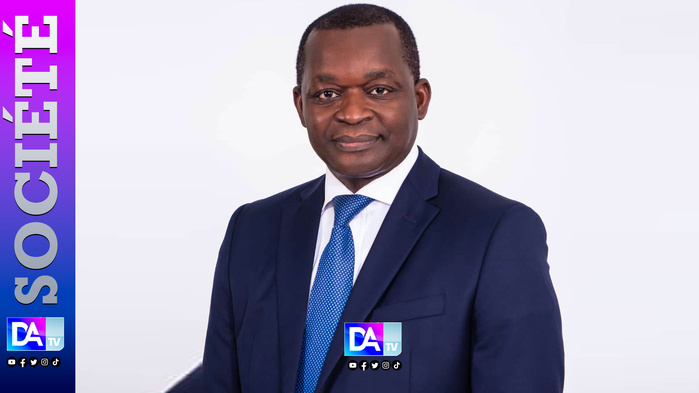
The President of the Alliance for Senegal (APS), Alioune Sarr, has wrapped up a groundbreaking European tour, engaging with the diaspora to forge a new national vision centered on territorial development, collective responsibility, and economic sovereignty. His visit spanned key cities in France, where he met with Senegalese communities in Paris, Massy, and Creil, emphasizing the urgent need for decentralized governance that empowers local communities.
Strengthening bonds between the diaspora and homeland
During his tour, Alioune Sarr prioritized direct dialogue with Senegalese families, visiting community hubs like the Foyer Les Mûriers in Paris’s 20th arrondissement. In Massy (Essonne) and Creil (Oise), he gathered insights from entrepreneurs, students, and workers, listening to their concerns and aspirations for the country’s future. These exchanges revealed a shared desire for sustainable development beyond Dakar’s urban core.
In Creil, the mobilization was particularly strong, with local leader Amy Faye presiding over a gathering that highlighted the diaspora’s potential as a driving force for national progress. Faye underscored the critical role of Senegalese abroad in shaping policies that reflect the realities of both urban and rural territories.
A call to transcend political divides
Alioune Sarr championed a governance model rooted in collaboration, advocating for a united front among political actors to prioritize national interests over partisan disputes. “We may disagree politically, but we must never be enemies of the Republic,” he asserted, urging leaders to focus on solutions that foster economic growth and social cohesion.
Decentralization: the key to balanced development
The tour highlighted the failures of Senegal’s highly centralized development model, which has long favored Dakar while leaving other regions underdeveloped. Sarr argued for a paradigm shift: “Centralized planning stifles progress. When territories take the lead, the nation advances.” He cited Notto Diobasse Smart City as a model for how local innovation can spur nationwide transformation.
Notto Diobasse: a blueprint for territorial empowerment
Sarr presented Notto Diobasse Smart City as a flagship project demonstrating how decentralized development can create jobs, attract investment, and foster entrepreneurship. “Senegal’s growth won’t flow from Dakar outward—it must rise from the regions and converge toward the capital.” This approach, he insisted, would ensure balanced prosperity across all territories.
Land as a catalyst for economic transformation
A recurring theme in Sarr’s discussions was the need to redefine land as a strategic asset rather than a tradable commodity. “Land has no inherent value when sold raw; its worth lies in what it produces.” He drew parallels between selling undeveloped land and exporting raw materials, warning against squandering the nation’s future.
The diaspora: Senegal’s unexploited growth engine
Throughout his engagements, Sarr positioned the diaspora as a “living ministry of development.” He urged Senegalese abroad to transition from passive remittance senders to active investors and partners in local projects. “The diaspora isn’t an ATM; it’s a reservoir of skills, capital, and vision.” By channeling resources into territorial initiatives, he believes, the diaspora can accelerate Senegal’s journey toward self-reliance.
A new national pact for collective prosperity
Concluding his tour, Sarr outlined a three-pillar framework for Senegal’s future:
- Empowered territories: Local governance must control resources and decision-making to drive inclusive growth.
- Activated diaspora: The diaspora’s expertise and capital should be harnessed for sustainable development.
- Economic sovereignty: Prioritizing local production and value addition over dependency on imports.
With grassroots enthusiasm palpable in Paris, Massy, and Creil, Sarr’s message resonated deeply. His final words encapsulated the tour’s purpose: “We didn’t come to manage the future—we came to build it.”