On June 16, Africa observed African Children’s Day, a date traditionally marked by solemn pledges and high-level summits. This year’s theme—universal access to water, sanitation, and hygiene—highlighted critical gaps in youth welfare across the continent. In Togo, however, such declarations ring hollow. Behind the official rhetoric of progress, the reality for children remains dire: state forces have repeatedly used lethal force against them, leaving families bereaved and justice elusive.
From Soweto to Lomé: the brutal cost of political survival
The origins of African Children’s Day trace back to the 1976 uprising in Soweto, where students demanded equitable education and rejected oppressive policies. Decades later, while many nations strive to uphold these ideals, Togo’s government has weaponized repression against its youngest citizens, turning their silencing into a pillar of political control.
Survival itself is a struggle for Togo’s children. In under-resourced hospitals, mothers give birth on bare floors, and neonatal units overflow with infants whose fragile lives depend on fragile systems. International and regional bodies continue to pledge long-term support, yet the state’s response to youth dissent is met with bullets. Even those merely seeking sustenance—like Jacques Koutoglo—have been gunned down in the streets.
Jacques Koutoglo: a year of unanswered questions
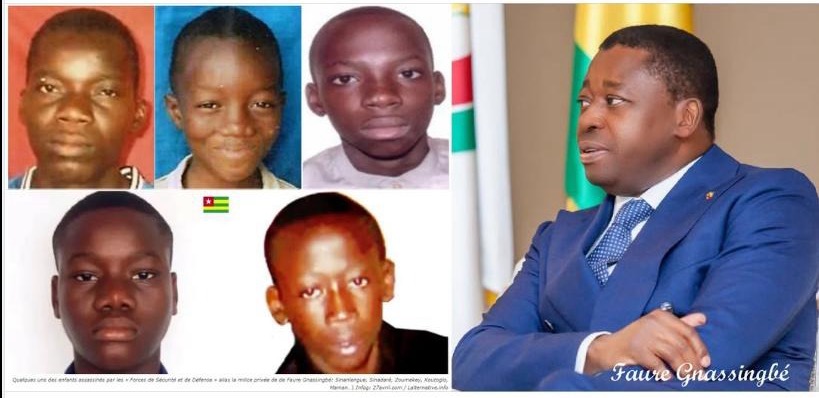
Fifteen-year-old Jacques Koutoglo was beaten to death and dumped in Lomé’s Bè Lagoon in June 2025. He was not protesting; he was scavenging for food. Initially, the government claimed his death resulted from “natural drowning” amid unrest, only to later announce an investigation into potential wrongdoing. More than a year has passed, yet no findings have been disclosed. The refusal to permit a memorial mass for Jacques has deepened the family’s grief and reinforced perceptions of systemic impunity.
Joseph Zoumekey and Rachad Maman: bullets that silenced the future
In 2017, 13-year-old Joseph Zoumekey was fatally shot while purchasing groceries in the Bè-Kpota district. Official accounts denied firearm involvement, but independent autopsy results by Amnesty International confirmed he had been killed by live ammunition. Despite global condemnation and calls for accountability, the state has yet to act. That same year, 14-year-old Rachad Maman died in Bafilo after joining a peaceful march for democratic reforms. His killing sparked international outrage, yet no one has been held responsible.
Anselme Sinandaré and Douti Sinalengue: a decade of forgotten justice
In 2012, 12-year-old Anselme Sinandaré and 21-year-old Douti Sinalengue were shot during a peaceful student protest in Dapaong, demanding teacher attendance. Over a decade later, the government has failed to identify the shooters, who were reportedly security personnel. Their deaths underscore a persistent pattern: children’s lives are expendable when power preservation is at stake.
From the northern savannas to the coastal cities, the pattern is unmistakable. Dozens of families mourn children lost to bullets, their futures erased in an instant. Since the Gnassingbé family assumed power, this cycle of repression has spanned generations, with no end in sight.
Togo ratified the African Charter on the Rights and Welfare of the Child in 1998, yet its failure to investigate these killings or prosecute perpetrators sends a clear message: treaty obligations end where political survival begins.