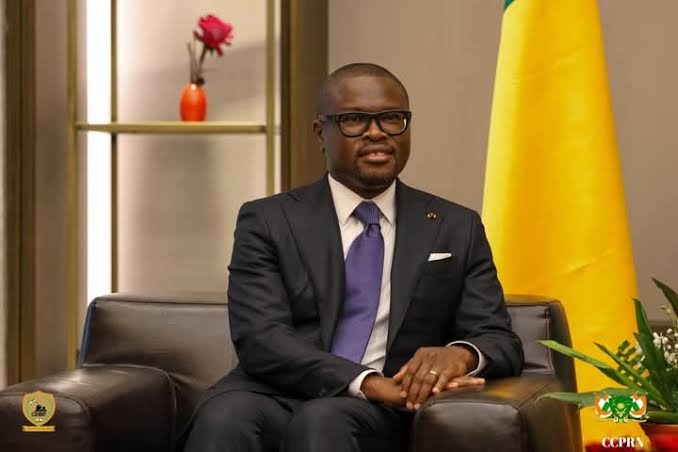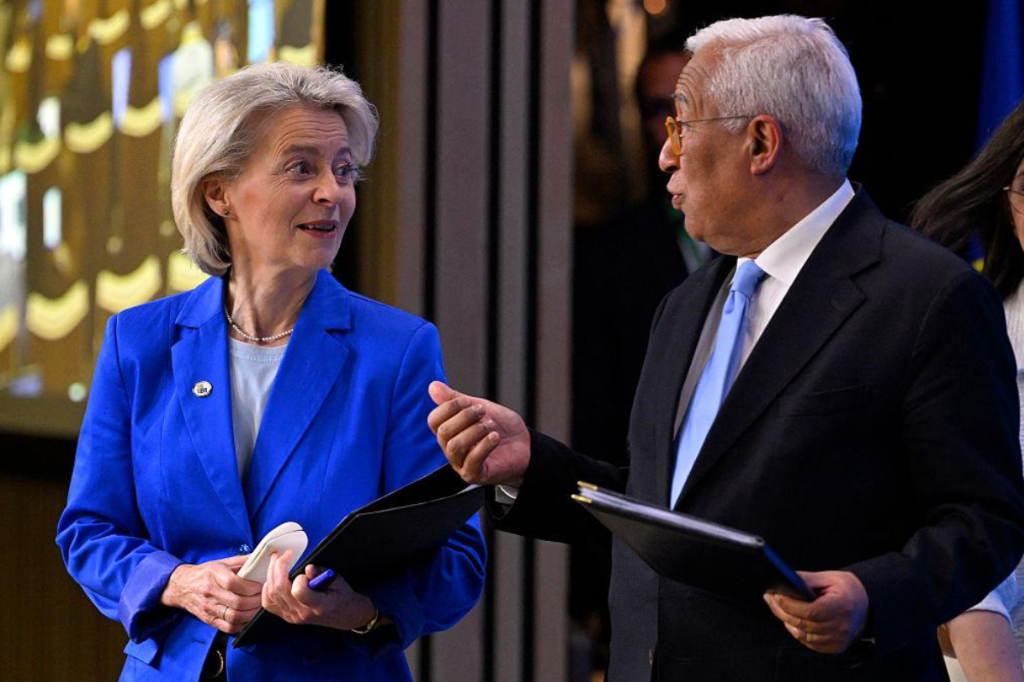
The Kenyatta International Convention Centre (KICC) in Nairobi has become the epicenter of global attention this Monday, May 11. Over the course of two days, the Africa-Forward Summit, co-chaired by Emmanuel Macron and William Ruto, is set to redefine the contours of collaboration between France and Africa. Departing from the conventional protocol-driven summits, this gathering aspires to serve as a catalyst for a « concrete diplomacy », one rooted in tangible progress and mutual benefit.
The selection of Nairobi as the summit’s venue is far from arbitrary. By aligning with Kenya—a regional economic powerhouse and a vanguard in green transition efforts—the French government underscores a pivotal shift: the transcendence of its historically Francophone-centric African policy in favor of a broader, continent-wide vision.
The summit’s primary objective is to showcase the evolution of France’s African policy, moving beyond traditional development aid toward reciprocal exchanges and collaborative solutions. Discussions will revolve around seven strategic pillars:
- Energy transition and green industrialization.
- Reform of the global financial architecture.
- Artificial intelligence and digital technologies.
- Healthcare, sustainable agriculture, and the blue economy.
One of the most compelling manifestations of this renewed approach is the advancement of scientific cooperation. In 2024, the French National Centre for Scientific Research (CNRS) marked a historic milestone by establishing a permanent office in Nairobi.
This collaboration represents a departure from a top-down model, embracing instead a co-construction paradigm. The Nairobi hub serves as a vital nexus for East and Central Africa, fostering researcher mobility and infrastructure sharing. A case in point is the experience of a Kenyan researcher whose biodiversity studies have reached new heights through this partnership. By gaining access to French laboratory networks, she not only secured funding but also integrated into a global research community, where her local expertise became a valuable asset for European scholars. The summit seeks to scale this « brain circulation » model across the continent.
diplomatic stakes beneath the innovation discourse
Beneath the rhetoric surrounding startups and artificial intelligence lies a deeper diplomatic calculus. For France, the summit presents an opportunity to reaffirm its position as a preferred partner amid the ascendancy of other global players such as China, Russia, and Turkey. For William Ruto, co-hosting the event reinforces his standing as a pan-African leader capable of engaging on equal footing with G7 nations.
Regional organizations like the Economic Community of West African States (ECOWAS) are closely monitoring the outcomes of this summit. Should it succeed in translating intentions into tangible investments—particularly through the Business Forum, which has drawn 1,500 participants—it could set a precedent for shifting relations from security-focused frameworks to shared growth initiatives.
The success of the Africa-Forward Summit hinges on its pragmatic approach. By highlighting concrete achievements, such as the CNRS’s endeavors or agricultural partnerships, Paris and Nairobi aim to dismantle anti-French sentiment by demonstrating mutual benefits. As the 48-hour deliberations draw to a close, the expectations of young entrepreneurs and researchers across the continent will not be met by lengthy communiqués, but by signed contracts and the inauguration of new laboratories. Only then will the « Africa-Forward » vision transition from slogan to reality.