N’Djamena tackles urban chaos amid rising poverty in Chad
In N’Djamena, the fight against urban disorder exposes a critical challenge: overcoming deep-rooted poverty to prevent ineffective, short-term crackdowns.
By Staff Writer
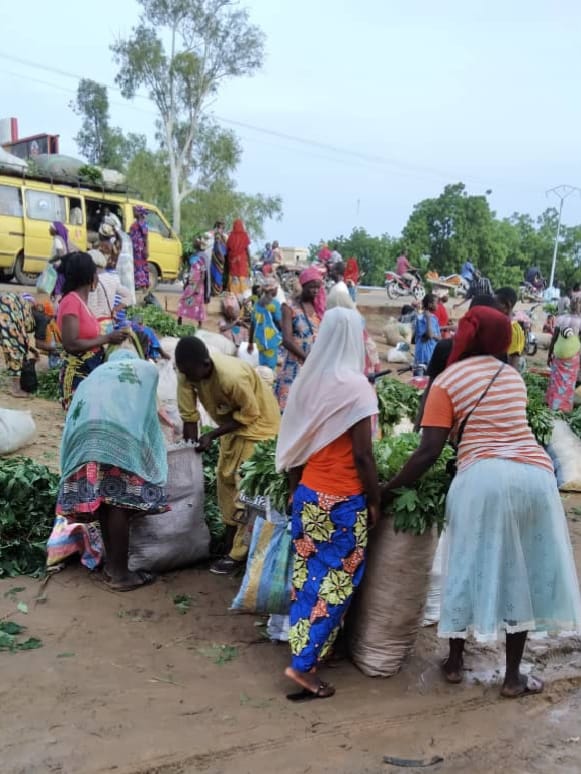
N’Djamena’s municipal authorities have declared an uncompromising stance: zero tolerance for urban disorder. From chaotic street vending to visible street begging and inconsistent security enforcement, the capital is entering a new phase of strict regulation aimed at restoring public order and modernizing urban spaces.
On the surface, the goal is justified. No city can thrive in perpetual chaos, and the demand for an orderly urban environment is entirely reasonable. Yet the deeper question lingers: can disorder truly be curbed without addressing its root causes?
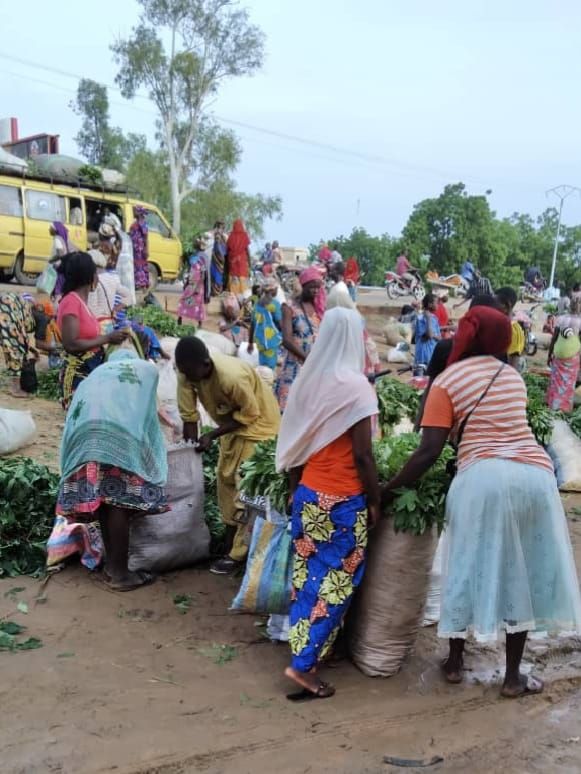
The streets of N’Djamena, much like in other African capitals, are not merely spaces of rule-breaking—they are also arenas of survival. Informal vendors, beggars, and unemployed youth don’t occupy public spaces by choice, but out of necessity. For many, the streets are a lifeline when no other options exist.
Under these circumstances, a purely punitive approach risks merely relocating, rather than resolving, the issue. Clearing unauthorized street vendors without providing economic alternatives or tightening security measures without social support programs amounts to treating symptoms while ignoring the disease.
The challenge transcends security and aesthetics—it is fundamentally social, economic, and political. A ‘modern’ city cannot be built solely through urban clean-up campaigns or public discipline drives. It requires opportunity creation, formalization of the informal sector, job access, and protection for vulnerable populations.
Zero tolerance may create the illusion of order, but an order enforced without inclusion is fragile and unsustainable. As long as poverty remains entrenched, the streets will continue to serve as a refuge for those with no other recourse.
The real question is not how to eliminate urban disorder, but how to transform the social conditions that make it inevitable. This is the holistic challenge facing N’Djamena today—not just repression, but sustainable solutions.