The director of publication of the private daily L’Enquêteur has been taken into custody by security forces in the capital. With no official reasons given, media professionals are anxiously watching.
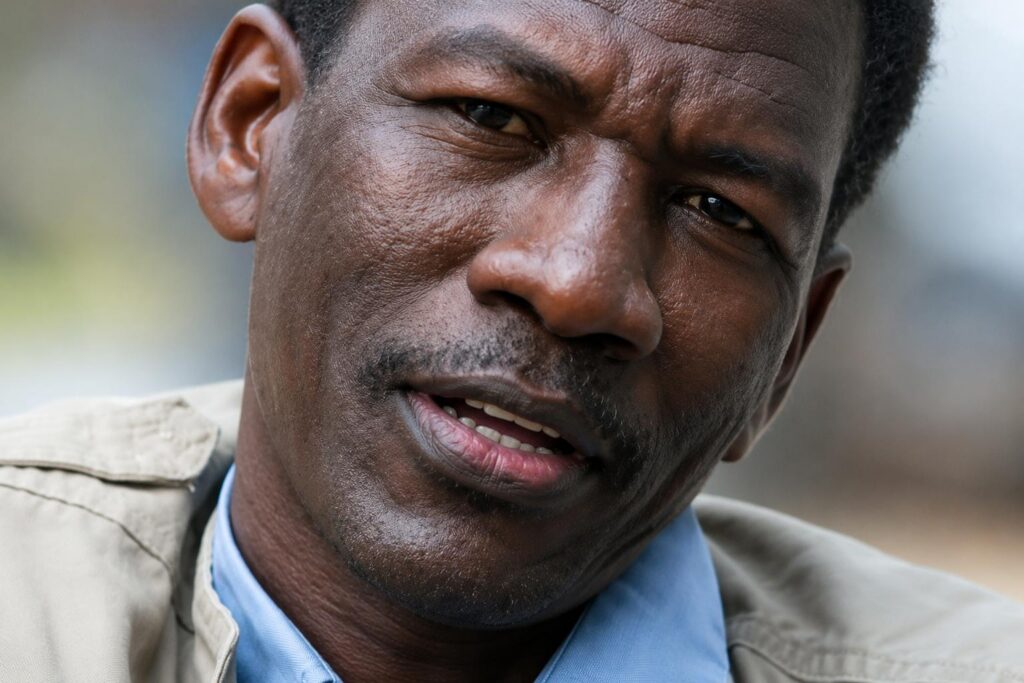
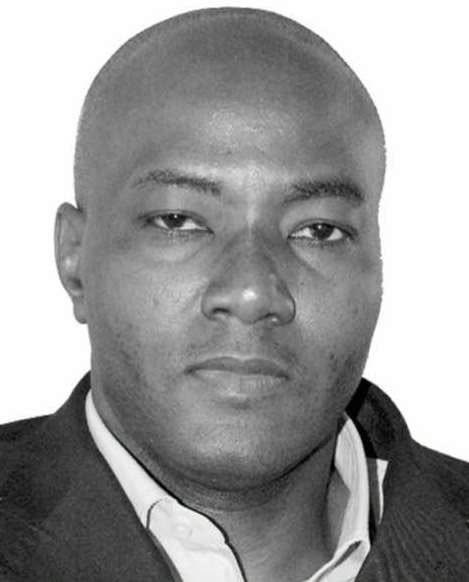
NIAMEY, 29 June 2026 – Concern is mounting within Niger’s media community. Soumana Idrissa Maïga, a familiar face in the local press landscape and the publishing director of L’Enquêteur, was arrested in Niamey by security personnel.
The news, confirmed by multiple reliable sources, spread quickly through the capital, reigniting discussions about the practice of journalism in the region.
Procedural uncertainty lingers
At this point, the exact circumstances and reasons for the arrest remain murky. Police and judicial authorities have not disclosed any official justification for the detention. Colleagues of the journalist and the L’Enquêteur editorial team are still awaiting clarity on the charges.
In response, press freedom groups and regional information platforms are proceeding with caution. This report sticks strictly to verified facts while awaiting formal statements from the judiciary or defense lawyers.
A similar case in April 2024
This new arrest comes two years after a previous legal action against the journalist. In April 2024, judicial police detained Soumana Idrissa Maïga following an article that alleged the installation of listening equipment by Russian agents in Nigerien official buildings.
After four days in custody, he was placed under a committal order at Niamey prison on charges of “undermining national defense,” which carries a potential ten-year sentence. At the time, international press freedom advocates condemned what they called an arbitrary detention and called for the case to be dropped. Weeks later, the journalist was granted provisional release.
Press freedom under strain
More broadly, the environment for press freedom in Niger has worsened significantly since the military coup of 26 July 2023. In its latest global ranking released in April 2026, Niamey slipped to 120th place, marking the largest drop that year—a decline of 37 positions.
The assessment indicates that transitional authorities are progressively curbing media space in the name of national security, contributing to the Sahel becoming one of the most challenging regions for independent journalism.
The editorial team will continue monitoring this situation and update this article as soon as official, verifiable information becomes available.