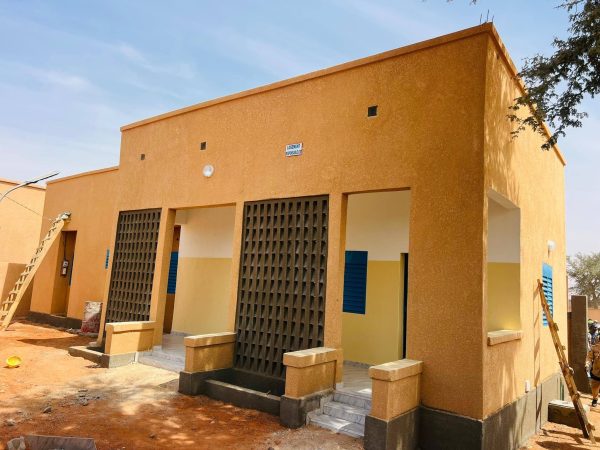
Niger’s Maradi region is enhancing its healthcare network with the inauguration of three new type II Integrated Health Centers (CSI). These facilities, located in Maradi and Tessaoua, represent a major leap forward in expanding access to essential medical services for urban and peri-urban populations.
Transforming healthcare access in Maradi and Tessaoua
The Maradi region, often referred to as Niger’s economic hub, is undergoing a significant transformation in its healthcare infrastructure. Through the Integrated Urban Development and Multisectoral Resilience Project (PIDUREM), three new type II Integrated Health Centers (CSI) are being constructed and equipped. This initiative aims to alleviate the burden on regional hospitals while bringing advanced medical services closer to residents.
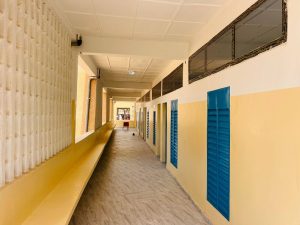
State-of-the-art facilities backed by institutional commitment
The rollout of these health centers is advancing rapidly. In Maradi, the new facility in the ADS neighborhood, part of the third arrondissement, stands as a symbol of modernity. Concurrently, Tessaoua’s Toudou neighborhood has also received its newly built center, officially handed over to local health authorities. Both facilities, provisionally received between March and October 2025, are now fully operational with cutting-edge medical equipment installed.
« Bringing healthcare directly to citizens is no longer just a promise—it’s now a tangible reality embedded in every neighborhood. »
— Regional Public Health Director
The project’s scope extends far beyond construction. Authorities have equipped the centers with a comprehensive range of type II-specific medical supplies, demonstrating robust institutional involvement. In Tessaoua, a third site in Tsamia Koura is nearing completion, with equipment installation scheduled immediately after finalization—a testament to the project’s meticulous technical oversight.
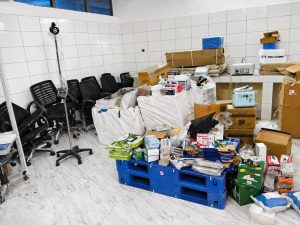
Niger’s commitment to achieving the Sustainable Development Goals (SDGs) in healthcare is evident in the PIDUREM model. By pairing infrastructure development with simultaneous equipment delivery, the project avoids the pitfall of underutilized facilities—a common criticism in development initiatives. In Maradi, the concept of accessible healthcare is finally gaining momentum.
- Strategic locations: The new centers in Maradi (ADS neighborhood) and Tessaoua (Toudou neighborhood) are positioned to serve both urban and peri-urban populations effectively.
- Advanced equipment: Each facility is outfitted with type II-specific medical supplies, ensuring high-quality care.
- Future expansion: A third site in Tessaoua’s Tsamia Koura is underway, with equipment installation planned post-construction.
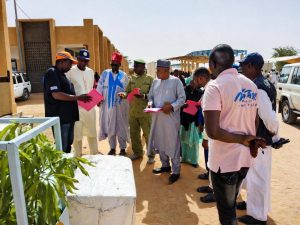
- Institutional collaboration: The project involves multiple stakeholders, including the Regional Public Health Directorate, local authorities, and community leaders.