Nigeria: Boko Haram frees over 400 women and children in Borno State
Relief sweeps through Nigeria’s northeast after more than 400 individuals, primarily women and children abducted by Boko Haram in Borno State, were released following months in captivity. The exact circumstances surrounding their release remain shrouded in secrecy.
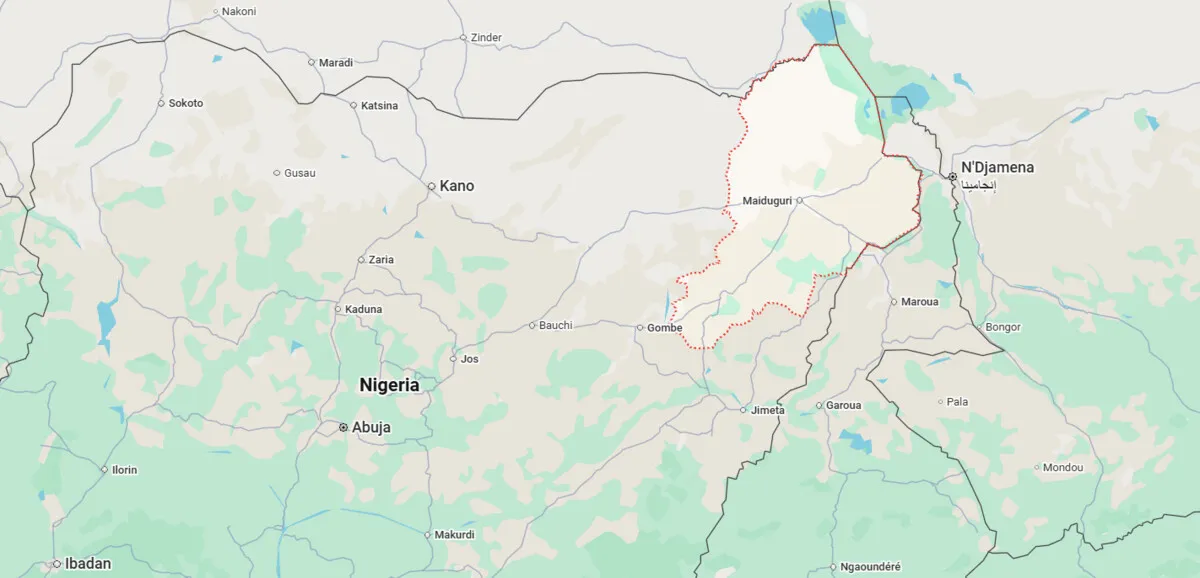
Liberation from Ngoshe: A community’s long ordeal
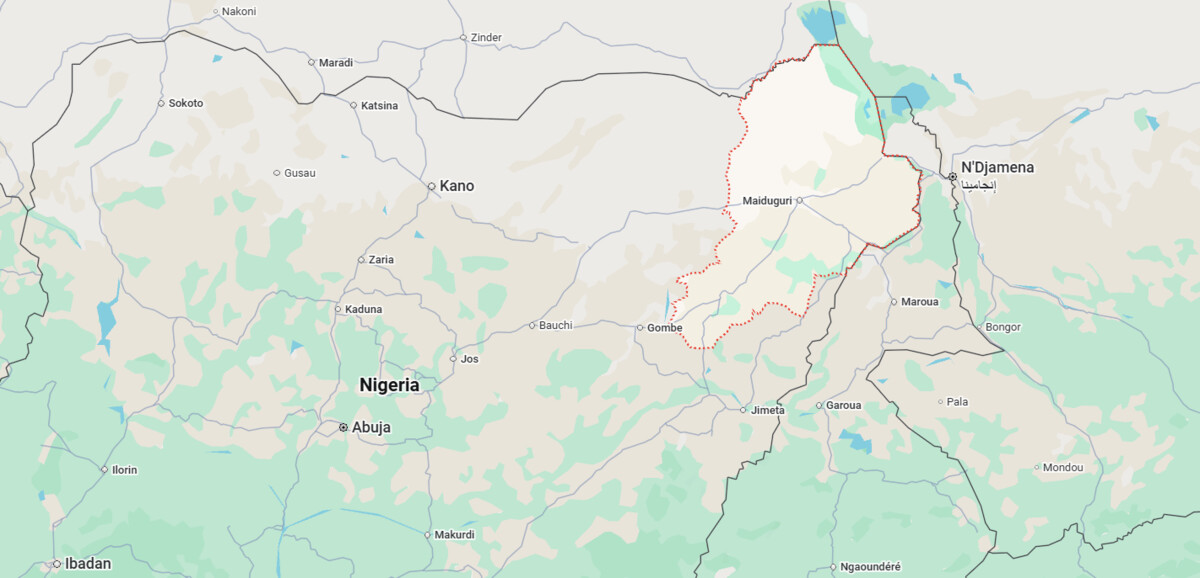
Local authorities confirmed that 416 people, all from the village of Ngoshe near the Cameroonian border, were set free on June 6. Among them were women and children forcibly taken by jihadists months earlier. The announcement was corroborated by Senator Mohammed Ali Ndume and youth representatives from the affected community.
A region plagued by insecurity
Ngoshe lies in Gwoza, a region long recognized as a stronghold for Boko Haram. Since the insurgency erupted in 2009, this area has endured relentless attacks, leaving communities vulnerable and displaced. The recent mass abduction underscores the persistent threat jihadist groups pose to civilians in Nigeria’s northeast.
Unanswered questions about the release
No official statement has clarified how these hostages were freed. Authorities have neither confirmed nor denied whether a ransom was paid, as negotiations with armed groups are typically not acknowledged by the government. However, security analysts suggest that financial arrangements often play a role in such cases.
Decades of violence and displacement
For over fifteen years, the brutal campaign waged by Boko Haram and its splinter faction, the Islamic State’s West Africa Province (ISWAP), has left thousands dead and displaced millions. Mass kidnappings remain a lucrative operation for these extremist networks, funding further violence and terror.