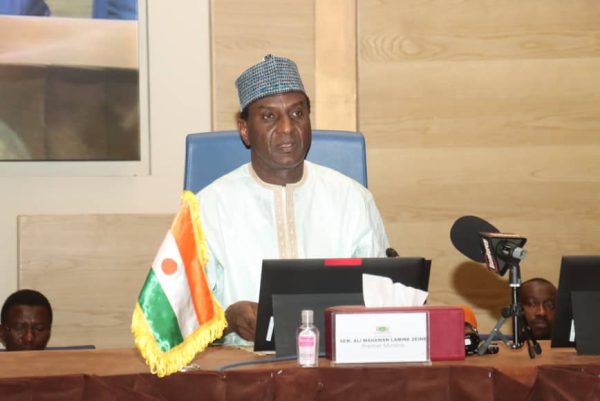
A three-day summit has commenced with the ambitious goal of dismantling the barriers that have plagued the Kandadji dam project for decades. Under the direct guidance of President Abdourahamane Tiani, Prime Minister Ali Mahaman Lamine Zeine inaugurated the Kandadji General Assembly on Wednesday, July 8, 2026. This pivotal political and technical gathering underscores a clear mandate: to decisively end the prolonged delays.
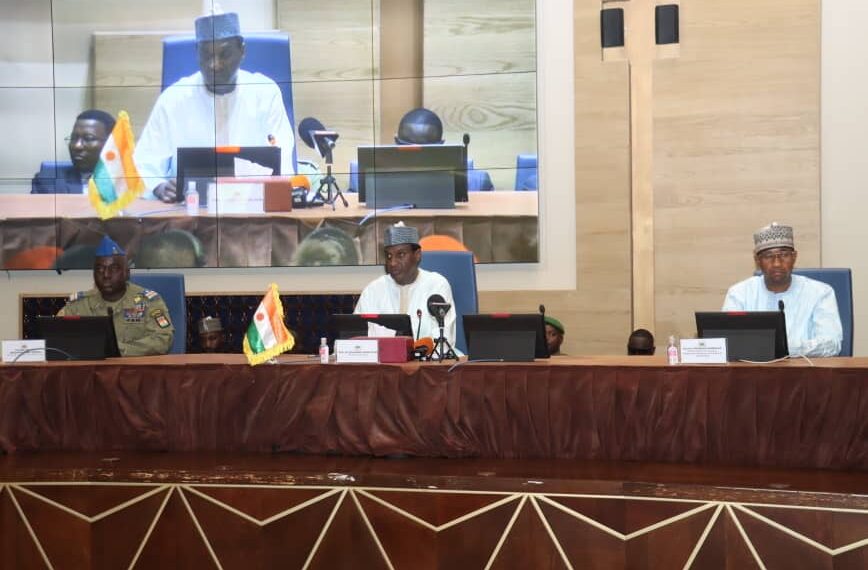
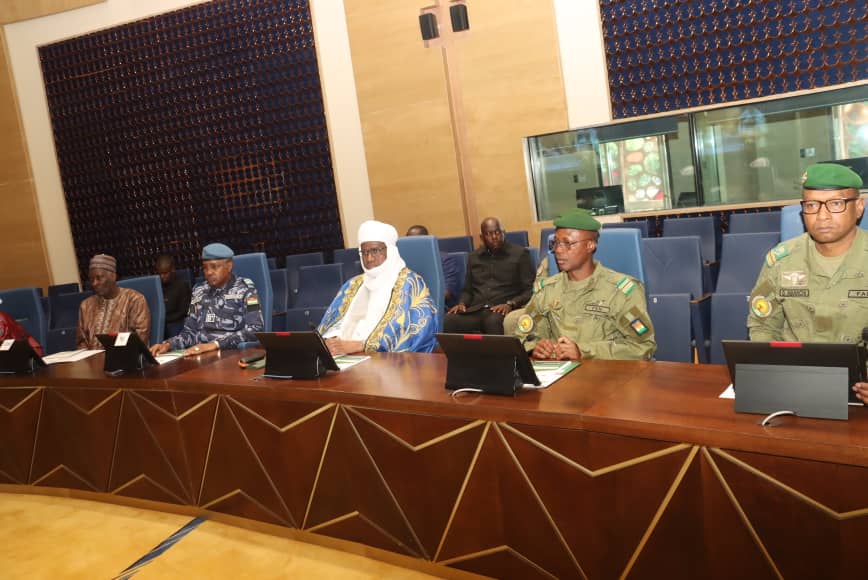
Niamey, July 8, 2026 — The grand conference hall, beneath its distinctive dome, buzzed with palpable energy this Wednesday morning. Dignitaries from the National Council for the Safeguard of the Homeland (CNSP), institutional leaders, members of the diplomatic corps, and development engineers and financiers convened, marking the solemn opening of the Kandadji Dam Program’s General Assembly.
In initiating these crucial discussions, Prime Minister Ali Mahaman Lamine Zeine aimed to infuse new vitality into a project that has long been mired in complications. Following directives from the transitional President, General Abdourahamane Tiani, this three-day event is designed, according to government statements, to thoroughly review progress and unlock the impediments hindering the construction’s advancement. “These deliberations must serve as a moment of truth, responsibility, and collective commitment,” the head of government declared during his opening address.
A historical undertaking, persistent setbacks
The Kandadji program has faced challenges for many decades. A combination of political instability, suspensions of international funding, and logistical hurdles has led to numerous interruptions in construction. Authorities have stressed the critical need for a precise audit of existing infrastructure and a practical timeline to translate commitments into tangible achievements.
“This is no longer about merely listing promises,” the Prime Minister asserted, urging the removal of “obstacles impeding the completion of this vital structure.” For the executive, revitalizing the construction site is fundamentally an issue of national sovereignty, impacting Niger’s energy, food, and broader economic independence.
Kandadji: a strategic priority, but with what assurances?
The government positions Kandadji as a cornerstone of Niger’s “resilience doctrine.” Niamey believes the dam will significantly reduce electricity dependence on neighboring nations, facilitate the extensive development of irrigated agriculture to combat climate change, and ensure sustainable management of the Niger River’s resources, thereby enhancing the living conditions of riparian communities.
These objectives are clearly articulated as political imperatives. However, various external stakeholders—including hydraulic resource experts, environmental NGOs, and economic analysts—advocate for caution. They highlight considerable risks, such as high budgetary costs, environmental and social impacts associated with flooded areas, and potential reliance on technical and financial partners. Without a quantified timeline or a firm financing plan, these ambitious goals currently remain aspirational.
Four critical issues on the agenda
The three-day discussions are structured around four operational pillars. Firstly, the state of infrastructure: a precise diagnosis of completed work and priority areas for relaunch must be established. Secondly, the financial dimension: securing funds and potentially restructuring budgets are deemed essential to expedite construction.
Thirdly, social considerations: the resettlement of populations affected by rising water levels necessitates robust compensation mechanisms and guarantees of dignified rehousing. Lastly, the governance model: several participants emphasized the need to re-evaluate the institutional framework overseeing the project to enhance its agility and clearly define responsibilities.
Technical transparency and political imperative
By championing “technical transparency,” the government hopes to underscore that Kandadji is a national priority, transcending mere ministerial oversight. Furthermore, the successful completion of this project holds immense significance, positioning it as a major political challenge for the transitional authority in Niger’s current African politics landscape.
However, displayed determination alone will not suffice; the true measure of the General Assembly’s success will be tangible. Key indicators for progress are clear: the adoption of a precise timeline, confirmation of secured financing, the formulation of a comprehensive resettlement plan for affected populations, and the establishment of an operational steering mechanism endowed with clear responsibilities and adequate resources. Without these critical milestones, the resumption of work on the ground risks remaining sluggish.
The people anticipate water and electricity
Following these deliberations, Nigerien leaders must transform rhetoric into concrete action. For communities eagerly awaiting a rapid improvement in their living conditions, the stakes are immediate: Kandadji represents more than just an engineering endeavor; it is a tangible promise of access to water and electricity. To fulfill this promise, political leaders must back their commitments with robust financial, environmental, and social guarantees, and subject them to scrutiny by independent observers, ensuring the project truly benefits the African economy today and its people.