Hidden within the dense 219-page National Human Development Report (RNDH) for 2026, a single line reveals a stark reality: over 77% of the population in Gabon’s Nyanga province lives below the poverty line. The figure, tucked away without emphasis, starkly contrasts with the report’s overall portrayal of Gabon as a nation with high human development, consistently ranked among Africa’s top performers.
Poverty rates clash with Gabon’s official development narrative
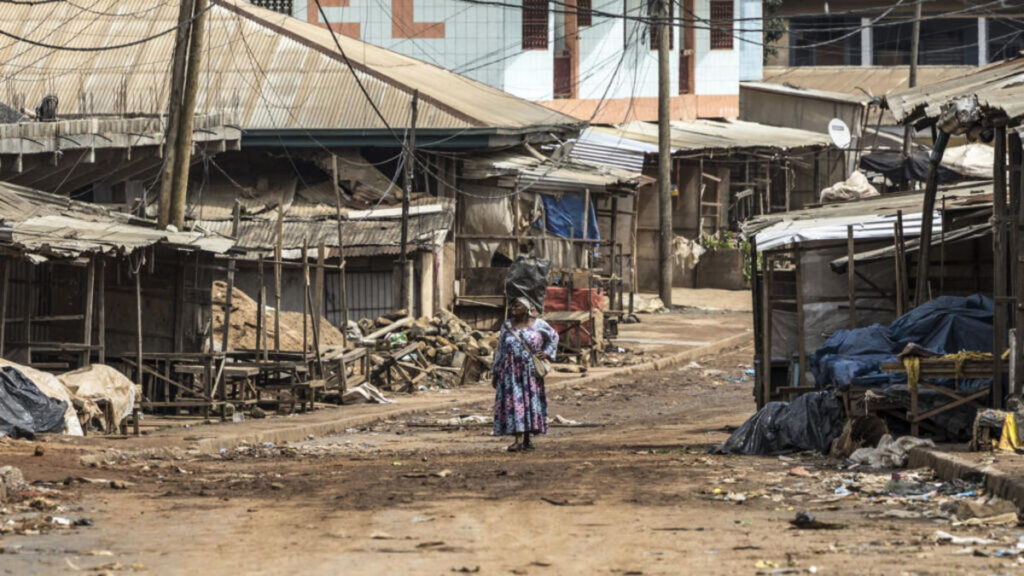
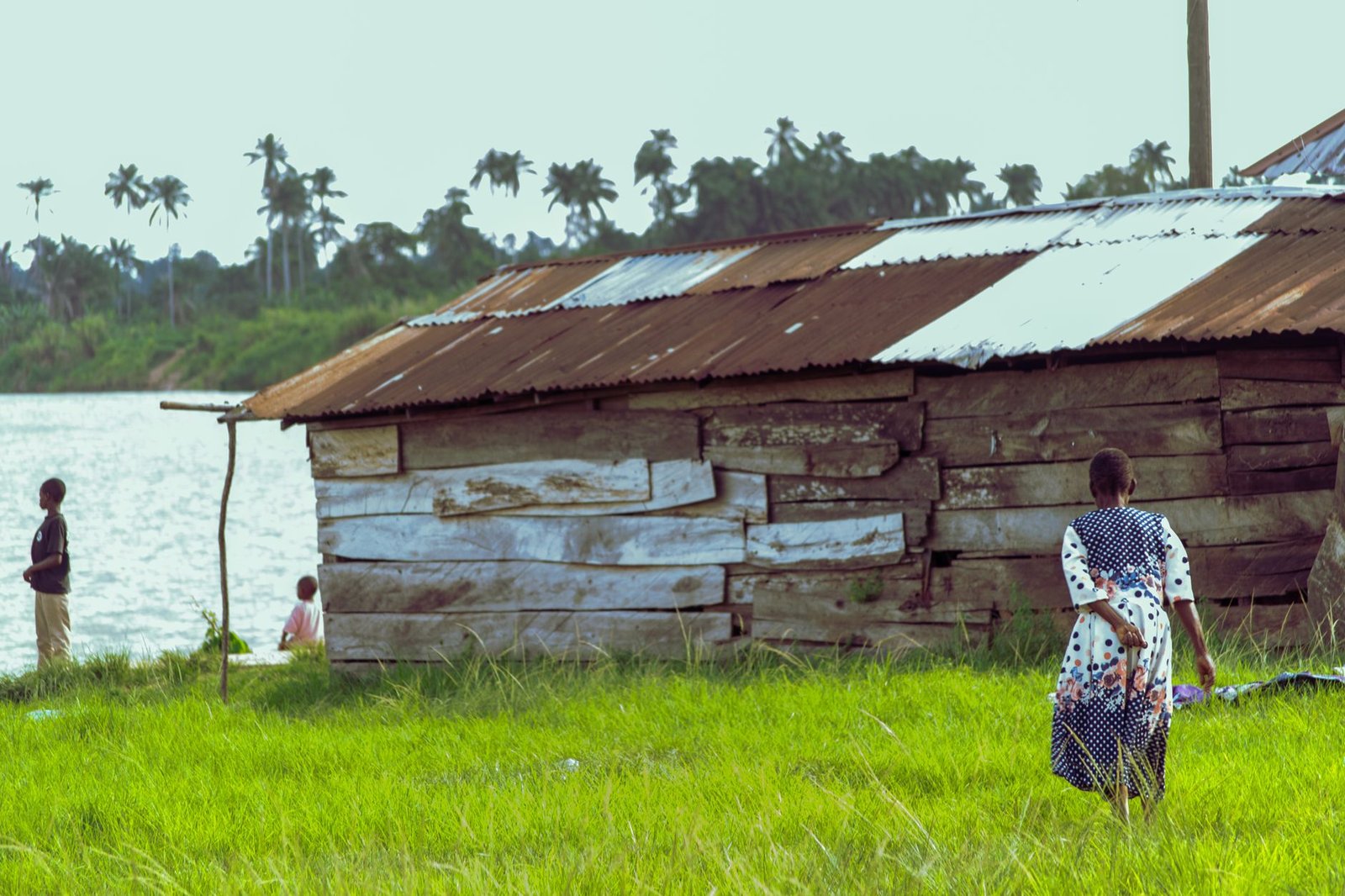
Nyanga, located in the remote southern tip of Gabon near the Congolese border, is one of the country’s least populated and most isolated regions. Tchibanga, its capital, hosts the bulk of public services, yet access to electricity, clean water, and healthcare remains severely limited. While the 77% poverty rate may not surprise local observers, its stark juxtaposition with Gabon’s macroeconomic profile—a petroleum-rich nation with one of sub-Saharan Africa’s highest GDP per capita—demands attention.
Gabon regularly tops African rankings in the UN Development Programme’s Human Development Index (HDI). Yet this aggregated assessment masks extreme territorial disparities, as the RNDH 2026 documents without fully addressing. The Nyanga data serves as a case in point: buried in the report’s body, it receives no summary focus nor policy recommendations to address its severity.
Public data under scrutiny: transparency in question
The report’s subdued handling of this figure raises critical methodological concerns. A national human development report exists to guide policy decisions and prioritize interventions. When a province reports poverty rates three to four times the national average, such data should logically shape budgetary allocations. The Nyanga statistic, however, suggests the opposite: included for documentation’s sake, but overlooked in political action.
Gabon is not alone in this paradox. Central African nations rich in extractive resources often boast impressive macroeconomic indicators while grappling with entrenched rural poverty. These disparities stem from longstanding territorial inequalities, exacerbated by administrative centralization and investment concentrated in economic hubs like Libreville and Port-Gentil. In Nyanga and other border regions, public infrastructure and services lag far behind.
Nyanga’s struggles reflect Gabon’s regional fractures
For Gabon’s transitional authorities, who have pledged since August 2023 to address territorial inequality and reduce rural isolation, these figures present a political litmus test. Official discourse emphasizes restoring regional balance through road rehabilitation, rural electrification, and agricultural revival. The true measure of progress will lie in how these commitments translate into concrete budget allocations in upcoming finance laws.
Historically, Nyanga’s agricultural and livestock potential once promised self-sufficiency in meat production. Today, its ranches operate at a fraction of their capacity, while youth migration to Libreville drains the region of its workforce, perpetuating a cycle of impoverishment that national statistics alone fail to capture.
The RNDH 2026 offers a vital documentary foundation—but only if critical findings like Nyanga’s poverty rate are not buried in the report’s depths. The question is no longer whether poverty exists, but how Gabon’s government plans to confront it—and within what timeframe. Without clear prioritization, even the most revelatory data risks becoming just another statistic lost to policy inertia.