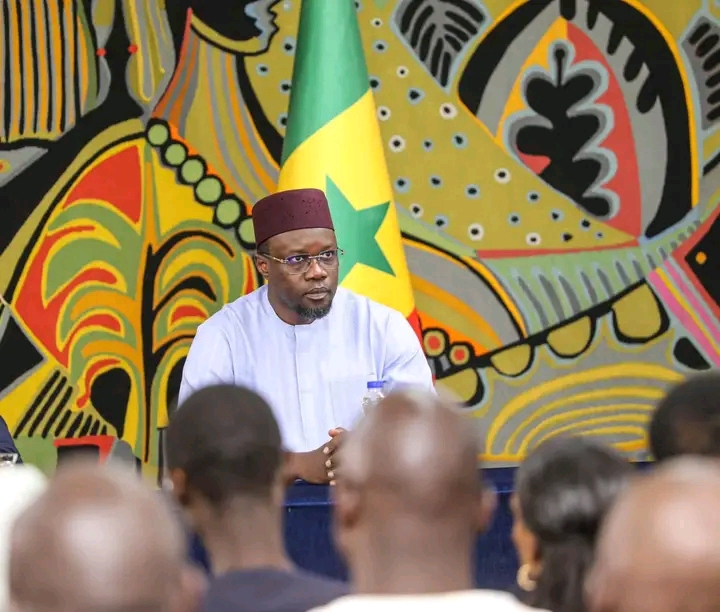
During a high-stakes interministerial meeting in Dakar on May 21, Senegalese Prime Minister Ousmane Sonko delivered a scathing assessment of the nation’s infrastructure and governance challenges, calling for urgent accountability.
Audit reveals staggering waste in public projects
The Prime Minister’s frustration was palpable as an audit of public assets and infrastructure laid bare the scale of mismanagement under the previous administration. According to the findings presented to cabinet members, a staggering 245 public projects—including critical infrastructure—remain either abandoned, incomplete, or severely underutilized. The estimated financial loss exceeds 5,000 billion FCFA, an amount equivalent to Senegal’s entire annual national budget.
«The sheer waste defies logic,» Sonko declared, pointing to systemic failures that have left taxpayers footing the bill for decades of neglect. Among the most glaring examples is the Sandiara High School project, initiated in 2014, which has yet to be completed after 12 years—a timeline Sonko described as «nothing short of absurd.»
Nearly two-thirds of ongoing projects paralyzed
Further scrutiny of the audit data revealed that 62 out of 94 active construction projects across the country are effectively at a standstill, collectively draining over 5.2 trillion FCFA in wasted resources. These stalled initiatives span education, healthcare, and transportation sectors, underscoring a broader pattern of institutional dysfunction.
Sonko’s call for judicial reform and accountability
Beyond infrastructure woes, Sonko turned his attention to Senegal’s justice system, accusing magistrates of shielding political elites linked to large-scale embezzlement. «I sometimes wonder if it’s even worth continuing,» he admitted, highlighting a pervasive sense of impunity where «anyone can flout the law and still enjoy protection.»
The Prime Minister went further, alleging judicial sabotage by certain judges to delay corruption cases. «These cases belong to the people, not the courts,» he emphasized, vowing to «raise the stakes» in the coming weeks to dismantle what he termed a «protected system of corruption.»