Sahel nations unite to strengthen human rights safeguards amid escalating insecurity
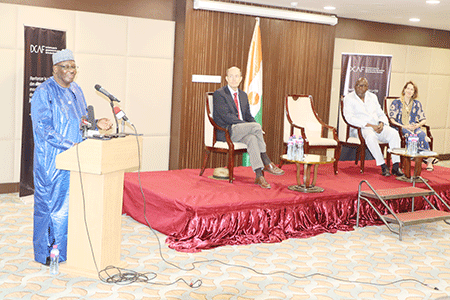
Niamey recently hosted a pivotal regional conference focused on human rights protection mechanisms in the Sahel, where escalating insecurity has created a severe humanitarian crisis. The event, held over two days, brought together key stakeholders from Burkina Faso, Mali and Niger—the nations most affected by the deteriorating security situation along their shared borders.
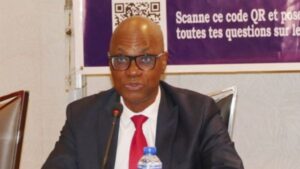
The conference was inaugurated by Mr. Maty El Hadj Moussa, Chair of the National Human Rights Commission (CNDH), in the presence of high-level delegates, including the Deputy Secretary-General of the Ministry of Justice, the DCAF Africa Director, and the German Ambassador to Niger.
Key objectives of the regional human rights protection initiative
The gathering aimed to:
- Sensitize stakeholders on best practices in human rights protection within conflict zones
- Enhance institutional capacity to prevent rights violations through improved monitoring and oversight
- Strengthen governance and the rule of law by empowering internal and external oversight bodies
Confronting human rights violations in a volatile region
In his opening address, Mr. Maty El Hadj Moussa highlighted the severe challenges faced by civilians in the tri-border area of Burkina Faso, Mali and Niger. He underscored that both armed groups and security forces have contributed to widespread human rights abuses, creating an environment of pervasive fear and uncertainty.
«In this zone, peaceful communities endure the brutality of asymmetric warfare, facing unprecedented violence. The enemy lurks within, terrorizing locals to the point where even suspicion of collaboration risks a death sentence,» he emphasized.
Collaborative efforts to restore peace and security
The conference served as a platform for collective reflection, with participants stressing the urgent need for solutions that address citizens’ aspirations for peace, security, and stability.
Mr. Moussa Sahirou Tchida, Deputy Secretary-General of the Ministry of Justice, emphasized the importance of unified action. «Addressing the crisis in the Sahel requires coordinated efforts and strong partnerships, including vital support from international allies such as the European Union. This conference is a testament to our shared commitment,» he noted.
He further reaffirmed the commitment of Niger and its regional partners to collaborate on initiatives aimed at stabilizing the tri-border region.
Confronting multifaceted crises in the Sahel
Ms. Anne Benette, DCAF Africa Director, pointed to the interconnected nature of political, social, humanitarian, health, and environmental crises in the Sahel. These challenges, compounded by rising insecurity, armed conflict, transnational crime, and communal tensions, have led to severe human rights violations and the erosion of social cohesion.
«This regional conference is essential, as it fosters dialogue on best practices, identifies shared challenges, and enables collective learning to enhance our response to the security threats undermining the rule of law and human rights,» she explained.
Germany’s role in supporting Sahel stability
Mr. Herman Nicolai, German Ambassador to Niger, drew attention to the alarming rise in violence across the Sahel, which he described as unprecedented in Africa. He noted that extremist groups and transnational criminal networks have unleashed a decade of terror, resulting in thousands of civilian and military casualties, as well as mass displacement.
The conference concluded with a renewed commitment from all parties to strengthen human rights protections and foster regional stability amid growing insecurity.