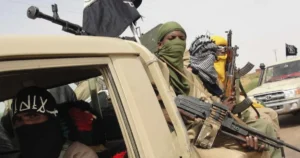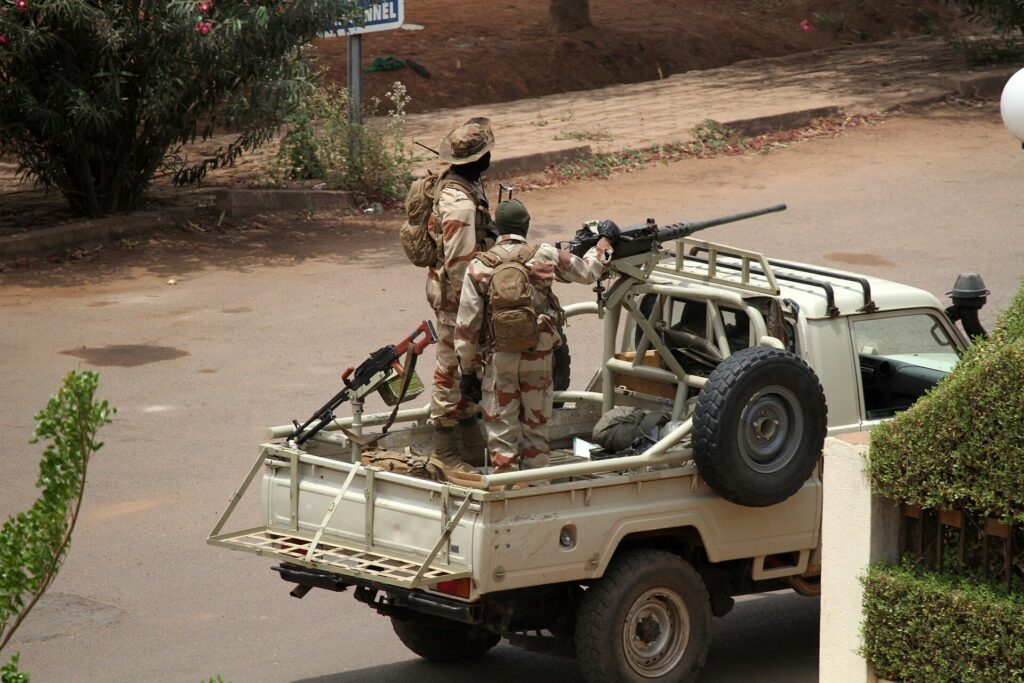
The coordinated military strikes across Mali on April 25 represented far more than a routine flare-up in a long-standing conflict. This was a pivotal moment in the region’s history. A tactical alliance of Islamist insurgents and Tuareg rebels launched simultaneous attacks on military hubs, successfully reclaiming the vital northern stronghold of Kidal from Russian-supported state forces. Their increased operational capacity now poses a direct threat to Bamako, leaving the Sahel—and specifically Algeria—to wonder who, if anyone, can restore order.
The failure of the junta’s security pivot
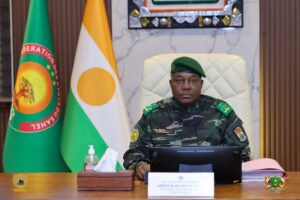
To grasp the gravity of the current situation in Mali, one must look back at the strategic pivots made following the 2021 coup. Under the leadership of Colonel Assimi Goita, the military government ended its cooperation with French troops and the UN’s MINUSMA mission. In their place, they welcomed the Wagner Group, now under direct Russian oversight, as their primary defense partner. While the junta ignored international warnings of a looming security gap, the April offensive has made those fears a reality.
Russian forces have failed to act as the decisive shield they were promised to be. Their retreat from Kidal—a city that serves as a powerful symbol of Tuareg defiance—demonstrates that the militants have not only survived Russian pressure but have refined their tactics. The junta essentially traded established international support for a Russian presence that is currently struggling to contain an increasingly sophisticated insurgency.
The cooperation between Tuareg groups and Islamist militants is particularly concerning. Though these factions have traditionally been rivals, their current alignment suggests they both recognize the junta’s vulnerability. It appears their gamble is paying off.
Algeria’s precarious position
Among the regional stakeholders, Algeria views the disintegration of Mali with the most anxiety. Sharing an expansive and often unmonitored southern border, Algiers has long dealt with the spillover of conflict, including the movement of illicit goods and the migration of armed radicals. History has taught Algerian leaders that instability in neighboring states eventually bleeds across borders.
The current diplomatic landscape is frustrating for Algiers. For years, the city served as a central mediator, facilitating the 2015 Algiers Peace Agreement. However, that framework was dismantled when Goita officially exited the pact in early 2024. Tensions escalated further in March 2025, after Algerian military forces downed a Malian drone near the border. This incident caused a total breakdown in communication with Bamako and its partners in the Alliance of Sahel States, including Burkina Faso and Niger.
Algeria now finds itself isolated from a crisis that directly threatens its national security. Without a seat at the table or a cooperative partner in Mali, Algiers faces the terrifying prospect of permanent militant sanctuaries established just outside its territory.
The impact of American withdrawal
The worsening situation in the Sahel is also linked to a reduction in American involvement. As the United States scaled back its counter-terrorism efforts in West Africa—often under pressure from local governments leaning toward Moscow—no comparable stabilizing force emerged. This power vacuum is being filled by Russian mercenaries and, more dangerously, by Islamist organizations that are establishing their own systems of governance and recruitment in neglected areas.
The events unfolding in Mali serve as a warning to Washington. Effective security partnerships and consistent intelligence operations are fundamental to regional peace. In their absence, the resulting void is quickly claimed by hostile actors.
Future trajectories for the region
As the conflict progresses, three potential paths emerge. The Malian government may seek a political compromise with Tuareg rebels, potentially ceding territory to stop the violence. Alternatively, they might double down on their military alliance with Russia, though success remains doubtful. Finally, the junta could continue to lose ground until the battle reaches the gates of Bamako.
For Algeria, none of these options are comforting. The chaos in the Sahel is no longer a distant problem; it is a direct threat knocking at the door.