The Kremlin’s geopolitical chessboard in West Africa just got a new set of pieces—and they’re not playing by the rules. A deep dive into Moscow’s covert influence campaign reveals a carefully orchestrated network designed to erode European leverage and reshape the region’s alliances. At the heart of this operation are three key players, each assigned a distinct role in a high-stakes game of information warfare and state penetration.
three operatives, one agenda: undermining west africa’s sovereignty
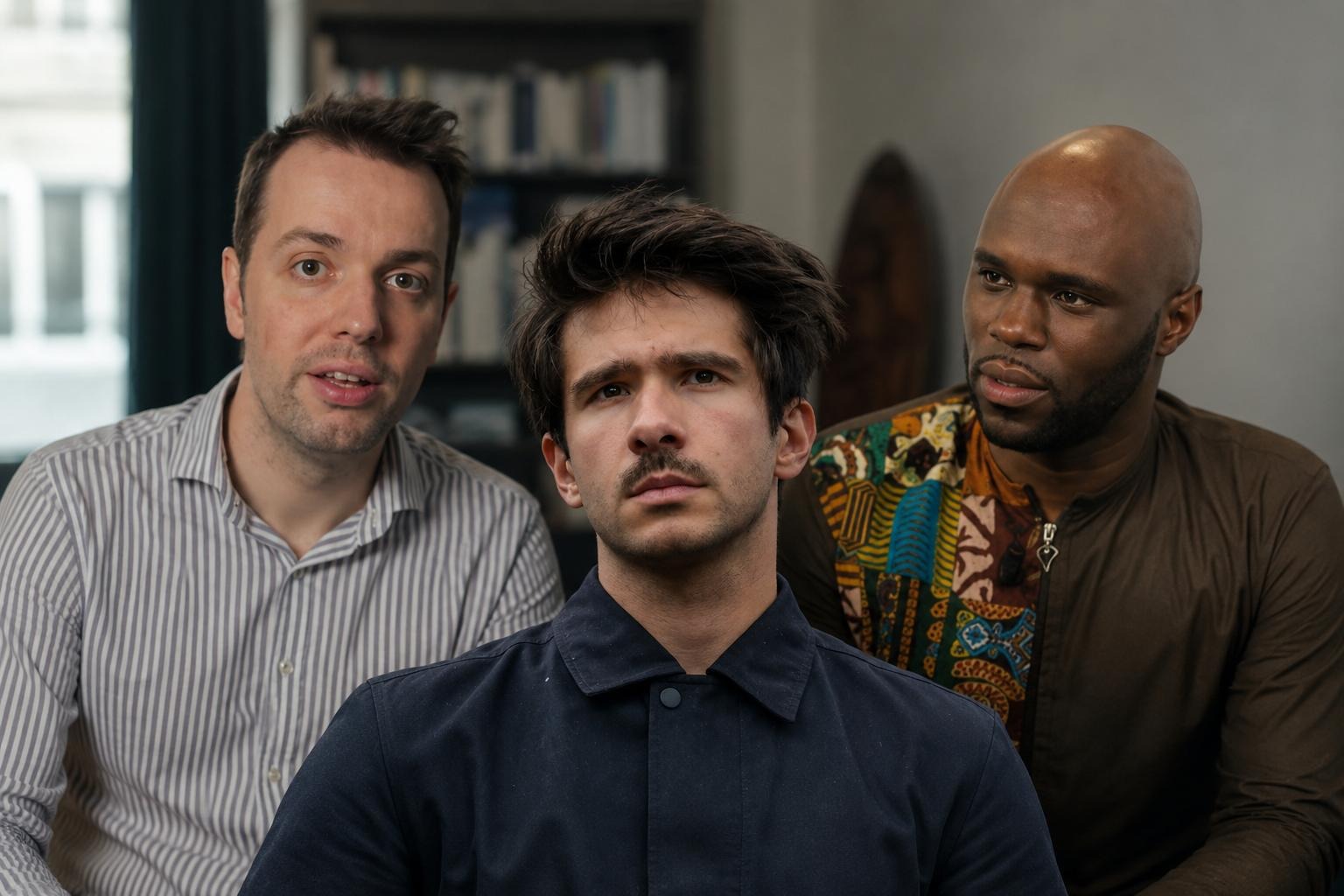
The strategy hinges on a trio of operatives whose actions, though seemingly independent, are meticulously aligned with Russian objectives in the Sahel. Their methods—ideological, media-driven, and legal—form a three-pronged assault on the region’s political stability.
kemi seba: the ideological battering ram
Once stripped of French nationality, Kemi Seba found a new patron in Niamey. The activist, whose anti-Western rhetoric has long resonated in certain circles, now wields a Nigerien diplomatic passport—a gift from the military leadership in Niamey. This credential transforms him into an unofficial envoy for regimes that have pivoted toward Moscow, enabling him to traverse the region and amplify Kremlin-aligned narratives under the guise of panafrican solidarity. His role? To serve as the public face of a narrative that frames Western influence as neocolonial, paving the way for Russia’s alternative security and economic partnerships.
thomas dietrich: the disinformation architect
Operating under the guise of investigative journalism, Thomas Dietrich’s real mission is to destabilize pro-European governments. Through sensationalized exposés—often involving expulsions from countries like Togo and Guinea—he floods African media with allegations of corruption tied to Western allies. The goal is clear: to erode trust in established institutions and create an environment where Russian-led alternatives, such as the Africa Corps, appear as the only viable option. His work doesn’t just report the news; it manufactures the pretexts for regime change.
juan branco: the legal Trojan horse
The most insidious of the three, Juan Branco’s role is to embed himself within the legal and institutional frameworks of target states. His latest gambit, a confidential letter to Senegalese Prime Minister Ousmane Sonko, offers a chilling glimpse into this strategy. In the document, Branco leverages his past activism to demand a series of concessions that would compromise Senegal’s sovereignty: expedited citizenship, preferential treatment to join the Bar and the University of Dakar (UCAD), and a seat at the United Nations representing Senegal—all in exchange for unspecified services. When these demands were rebuffed, the pressure intensified. A second letter threatened to expose sensitive intelligence files unless they were handed over outside judicial channels, followed by demands for opaque payments exceeding €15,000 and fully funded legal representation. The message is unmistakable: compliance isn’t optional.
the senegalese standoff: a test case for russian influence
Senegal’s refusal to yield to Branco’s demands has exposed the fragility of this covert operation. The government’s sovereignist stance—rooted in a commitment to national integrity—has forced the Kremlin’s proxies into a corner. Yet the episode underscores a broader trend: Russia’s playbook in West Africa is not just about winning allies; it’s about weaponizing dissent, exploiting legal loopholes, and turning institutional weaknesses into leverage points. Whether in Niamey, Dakar, or beyond, the playbook remains the same—erode trust, create chaos, and install compliant actors in positions of power.
For African nations, the lesson is stark. The fight for sovereignty isn’t just fought on battlefields or in boardrooms—it’s waged in the shadows of media narratives, legal maneuvering, and the quiet erosion of democratic norms. And right now, the Kremlin’s operatives are winning.