The African Football Confederation has officially endorsed the joint bid of Burkina Faso, Mali, and Niger to host the 2032 Africa Cup of Nations. This landmark decision marks a symbolic milestone for the three nations within the Alliance of Sahel States, though the real challenge lies ahead in proving their capability to deliver a world-class tournament.
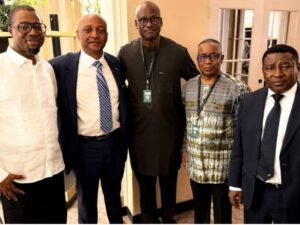
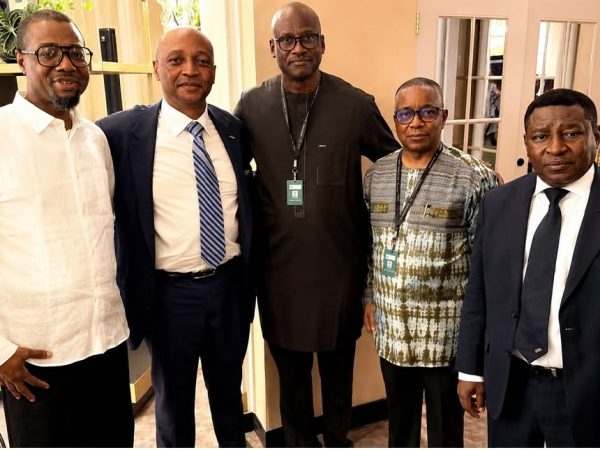
The historic validation took place in New York on July 18, where the presidents of the Burkina Faso, Mali, and Niger football federations met with CAF President Patrice Motsepe. Colonel Oumarou Sawadogo, Mahamadou Cissé, and Issaka Adamou — representing their respective countries — received confirmation that their joint declaration of interest had been formally recorded. The announcement was made public two days later by the Nigerien Football Federation, sparking regional discussions about the feasibility of this ambitious project.
An administrative milestone, not a guarantee
While this development is significant from a procedural standpoint, it does not yet represent a binding commitment. Under CAF’s candidacy regulations (Article 7.3), the three Sahelian nations have merely satisfied the initial administrative requirement of submitting a declaration of interest. This step clears the path for their bid to proceed through the official evaluation process, though the final hosting rights remain undecided.
The Nigerien Football Federation clarified that this validation simply allows their application to move forward in the official bidding cycle, without prejudging the outcome of the selection process.
Why the staggered approach to africa cup bids?
In early July 2026, the CAF initiated simultaneous calls for bids for the 2028, 2032, and 2036 editions of the Africa Cup of Nations. This strategic move enables African football’s governing body to plan tournaments far into the future, giving member associations ample time to develop comprehensive bids.
For the 2032 edition specifically, the CAF has yet to announce a deadline for final decisions. The evaluation process will scrutinize critical aspects including stadium infrastructure, hotel accommodations, transportation networks, and overall event readiness across the three candidate nations.
A proven model: lessons from east africa
The concept of a three-nation co-hosting arrangement is not unprecedented in CAF history. Kenya, Uganda, and Tanzania are already preparing to jointly host the 2027 edition, serving as a potential blueprint for the Sahelian bid. This collaborative approach could allow Burkina Faso, Mali, and Niger to leverage their collective resources rather than bearing the full burden of hosting alone.
The CAF President has expressed support for this regional cooperation initiative, emphasizing the importance of adhering to established procedures throughout the evaluation process, as outlined in the Nigerien Football Federation’s official communication.
A football pitch for Sahel unity
This joint bid extends beyond sports, reflecting a broader geopolitical shift. Since severing ties with ECOWAS, the military-led governments in Ouagadougou, Bamako, and Niamey have increasingly pursued collaborative initiatives to establish an autonomous Sahelian bloc — spanning economic, monetary, and diplomatic spheres. A successful bid would provide the Alliance of Sahel States with a rare international platform, particularly as the region continues to grapple with persistent security challenges. Just days before the bid announcement, the African Union condemned deadly attacks in Niger and Mali that occurred on July 17 and 18.
The CAF’s final assessment will focus on two critical fronts: the security landscape and the adequacy of infrastructure, accommodation, and transportation networks across the three countries.
What comes next?
The July 18 validation represents just the beginning of a lengthy journey. While the three nations have cleared this procedural hurdle, their bid now faces intense scrutiny over technical feasibility — including stadiums, hotels, security protocols, and logistical capabilities. The final hosting decision for the 2032 Africa Cup of Nations remains entirely open, pending the outcome of this comprehensive evaluation process.
Burkina Faso, Mali, and Niger’s football federations, in coordination with their respective governments, have committed to developing a technically sound bid that meets all CAF requirements. The true test will unfold not in diplomatic meeting rooms, but in the practical realities of delivering a tournament that meets the continent’s highest standards.
The 2032 Africa Cup of Nations could serve as more than just a football tournament — it may become a testament to the Sahel’s ability to transform political unity into a compelling global showcase.