The Confederation of African Football (CAF) has officially endorsed the joint bid by Burkina Faso, Mali, and Niger to host the 2032 Africa Cup of Nations (CAN). This milestone, announced on July 20, marks the first formal recognition of their collaborative efforts, though the journey toward securing hosting rights has only just begun.
Administrative approval paves the way for Sahel bid
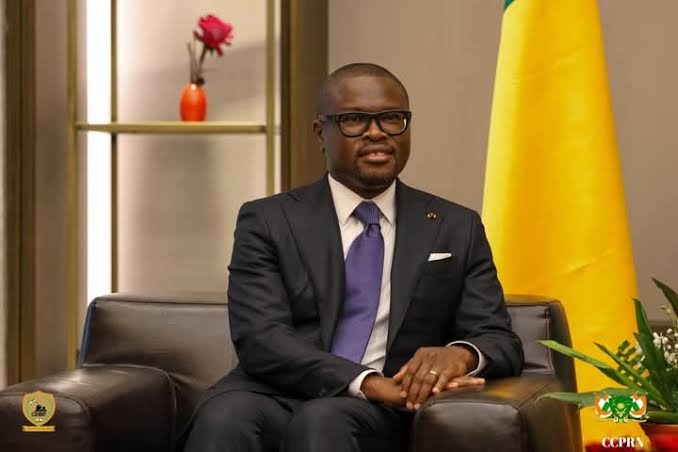
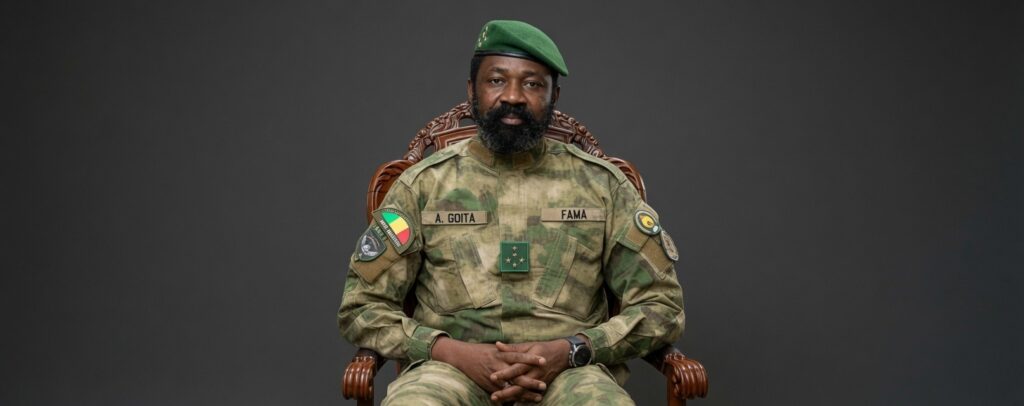
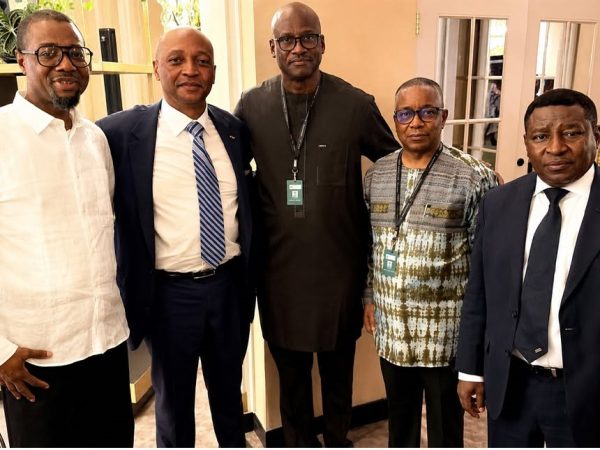
On July 18, representatives from the three nations—Colonel Oumarou Sawadogo, Mahamadou Cissé, and Issaka Adamou—met with CAF President Patrice Motsepe in New York to formalize their declaration of interest. While this validation aligns with CAF’s regulations (Article 7.3), it represents a procedural rather than definitive step. The trio now advances to the next phase, where technical and logistical feasibility will be scrutinized.
Next steps: infrastructure and security under scrutiny
The CAF’s decision to open simultaneous bidding for CAN 2028, 2032, and 2036 reflects a strategic push for long-term planning. However, for the Sahel bid to succeed, the alliance must demonstrate robust capabilities in stadiums, hotels, and transportation networks. Security concerns, already a pressing issue in the region, will also weigh heavily in the evaluation.
Historically, CAF has embraced multi-country hosting—such as the 2027 joint bid by Kenya, Uganda, and Tanzania—suggesting that a tripartite Sahel approach could strengthen their case by pooling resources and minimizing individual burdens.
Football as a tool for regional unity
The bid transcends sports, symbolizing the Alliance of Sahel States’ (AES) broader ambition to assert regional autonomy. Since breaking ties with ECOWAS, Burkina Faso, Mali, and Niger have intensified collaborations across economic and diplomatic fronts. A successful CAN bid could serve as a high-profile platform to showcase their cohesion amid ongoing security challenges, including recent attacks in Niger and Mali.
CAF’s endorsement is a symbolic victory, but the real test lies ahead. The three nations must now align their governments and football federations to compile a dossier meeting CAF’s stringent criteria. The 2032 edition will hinge on their ability to deliver—not on paper, but in practice.
What’s at stake for the Sahel
A CAN 2032 hosted by the AES could redefine the region’s global image. Beyond the tournament’s prestige, success would validate their vision of regional cooperation, proving that political unity can translate into tangible, international achievements. The road is long, but the first step has been taken.