International Relations
Saudi Arabia, Qatar, Turkey and Iran’s growing influence in Africa
Massive mosque openings, religious leader training programs, and large-scale charity initiatives. These are just some of the strategies deployed by Morocco’s rivals in Africa, backed by tremendous financial resources. Yet, despite these substantial investments, success remains uncertain.
Financial muscle meets religious outreach
The competitive landscape in Africa has shifted dramatically in recent years. While Morocco once enjoyed a dominant cultural and religious influence on the continent, its rivals—Saudi Arabia, Qatar, Turkey, and Iran—have intensified their efforts to expand their footprint. Their approach combines substantial financial investments with strategic religious and social initiatives.
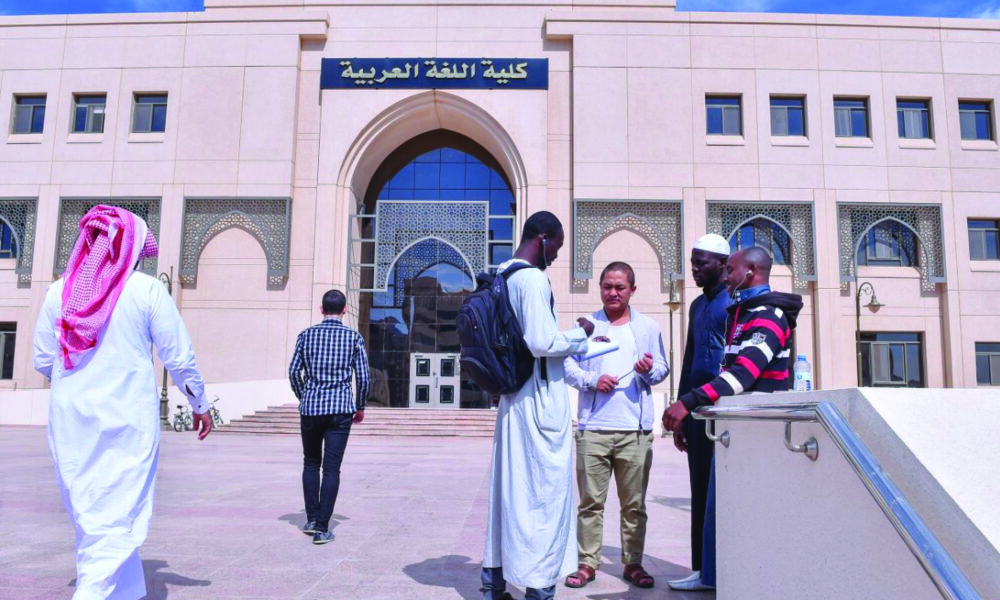
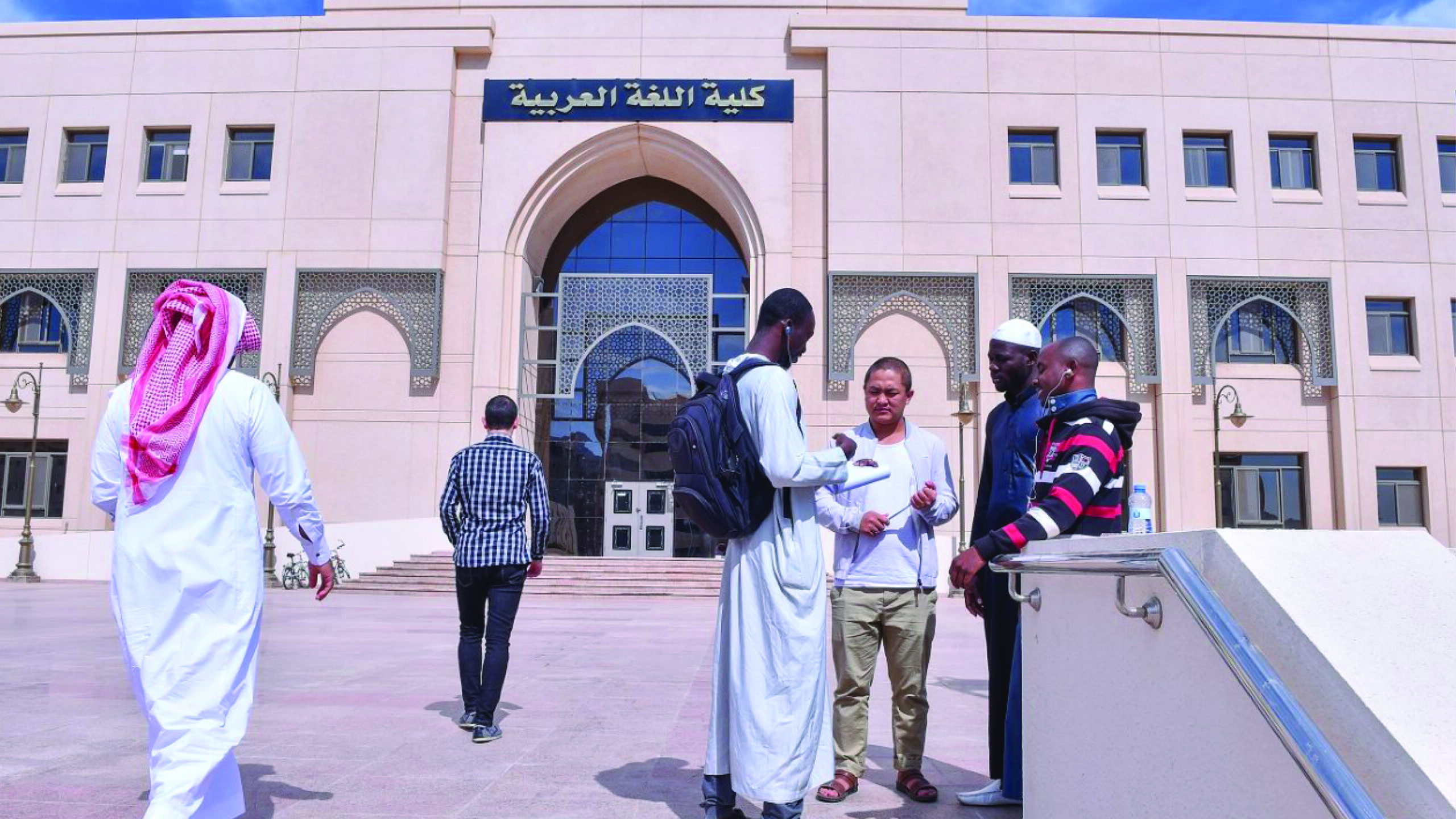
Saudi Arabia has emerged as a key player, leveraging its oil wealth to fund mosque constructions, fund Islamic education programs, and sponsor charitable organizations across the continent. These efforts aim to strengthen its soft power and promote its interpretation of Islam.
Qatar, though smaller in size, has made significant inroads by investing in Islamic education and media outlets to shape public opinion. Turkey, under its “soft power” strategy, has focused on building cultural centers and offering scholarships to African students, further embedding its influence.
Iran, too, has not been left behind. Through financial aid and the establishment of religious institutions, it seeks to expand its ideological reach in predominantly Muslim regions of Africa.
Can Morocco keep up?
Morocco’s traditional influence in Africa has long been rooted in its historical, cultural, and religious ties. However, the growing presence of these Gulf and Middle Eastern competitors poses a serious challenge. While Morocco has its own advantages—such as its centuries-old religious institutions and strong diplomatic ties—it must now compete with rivals who are injecting vast financial resources into similar initiatives.
The question remains: Can Morocco maintain its leadership in Africa’s religious and cultural spheres? Or will it be overshadowed by the aggressive expansion strategies of its rivals?
Key strategies of competitors
- Saudi Arabia: Massive funding for mosque construction, religious education, and charity programs.
- Qatar: Investment in Islamic schools and media to influence public perception.
- Turkey: Cultural and educational outreach through scholarships and cultural centers.
- Iran: Expansion of religious institutions and financial aid to promote its ideology.
Looking ahead
The competition for influence in Africa is far from over. As these nations continue to invest heavily in religious and cultural initiatives, the continent’s religious landscape is evolving. Morocco, with its deep historical ties, must adapt to this new reality to retain its position as a key player in Africa’s spiritual and cultural development.