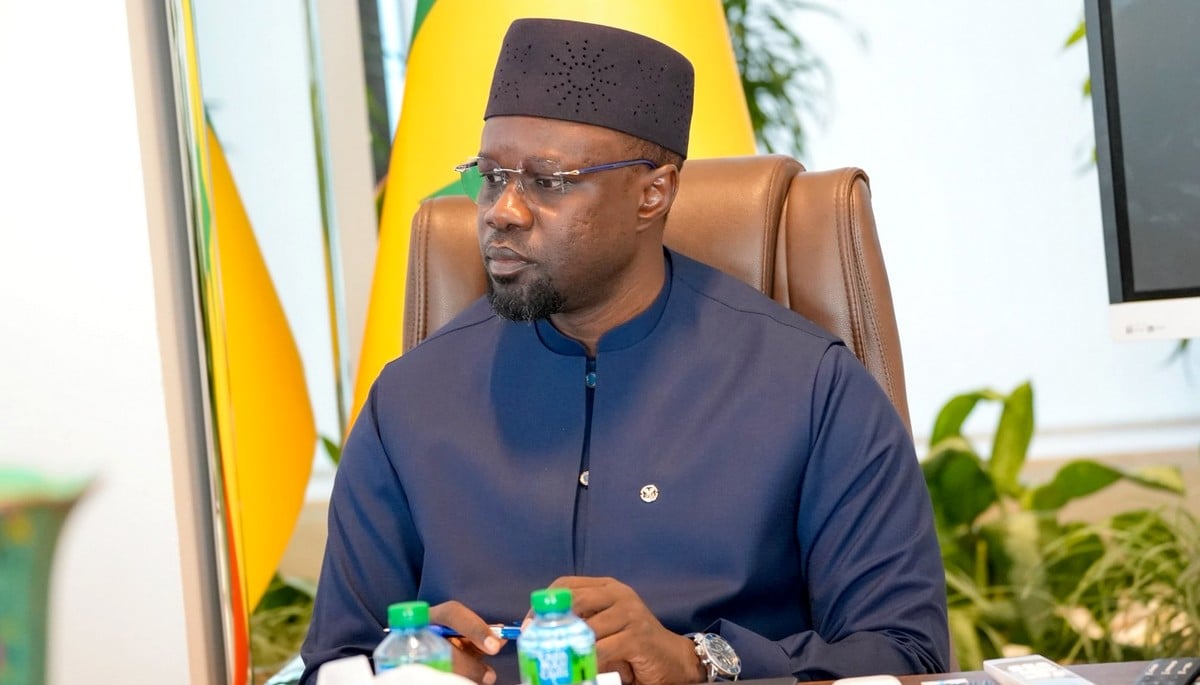
Prime Minister Ousmane Sonko has directed key government ministers to accelerate the sustainable development of Senegal’s natural heritage. The initiative targets ministries responsible for Environment, Tourism, Economy, Planning, Cooperation, Finance and Budget to implement a bold new strategy for managing the country’s protected areas.
In collaboration with the COSIVRA, the government aims to transform the management of Senegal’s national parks and major ecological sites through modern, sustainable frameworks. Central to this plan is the adoption of public-private partnerships (PPP), designed to balance biodiversity conservation with economic growth. By leveraging private sector expertise and investment, the initiative seeks to enhance visitor experiences while ensuring strict environmental protection.
Iconic parks and reserves set to drive eco-tourism expansion
The government’s strategy focuses on some of Senegal’s most renowned and ecologically significant sites. The initiative will prioritize the:
- Niokolo-Koba National Park — a UNESCO World Heritage site famed for its rich wildlife;
- Djoudj National Bird Park — a critical habitat for migratory birds;
- Saloum Delta — a vast mangrove ecosystem and UNESCO site;
- Hann Park — an urban green space in Dakar;
- Technopole Reserve — a key biodiversity hotspot near the capital;
- Lac Rose — a unique saline lake and popular tourist destination.
The move is expected to attract substantial private investment, upgrade visitor infrastructure, and create new revenue streams—all under the close supervision of state agencies. By combining ecological preservation with commercial viability, the plan positions Senegal as a leader in sustainable eco-tourism across West Africa.