Dakar takes bold stance on petroleum contracts with major firms
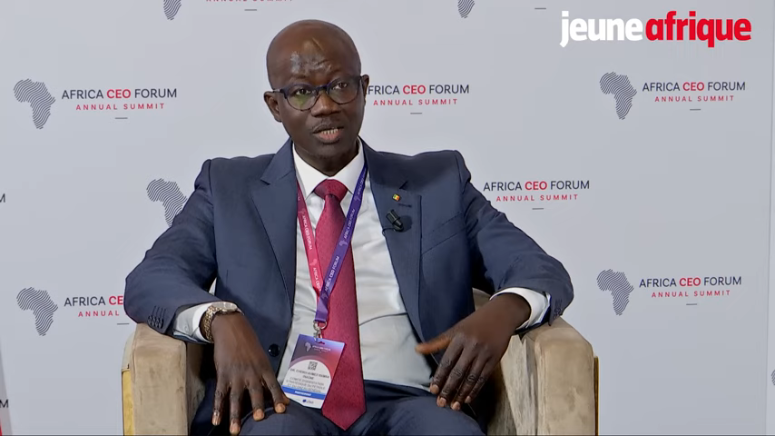
Senegal is preparing to escalate its negotiations with global oil giants BP and Woodside, with officials now considering arbitration proceedings as a potential recourse. This decisive move was announced by Khadim Bamba Diagne, Permanent Secretary of the Strategic Orientation Committee for Petroleum and Gas, during a high-profile economic forum in Abidjan.
The government in Dakar has made it clear that no option is off the table when it comes to protecting its national interests. Khadim Bamba Diagne emphasized that the country is ready to explore all legal avenues, including international arbitration, to ensure fair and transparent terms in its oil and gas contracts.
Why arbitration could reshape Senegal’s oil deals
The call for renegotiation stems from concerns over long-term contractual imbalances. With exploration agreements spanning 30 to 50 years, the Permanent Secretary warned that allowing unfavorable terms to persist could have lasting negative consequences for Senegal. He stressed the importance of addressing discrepancies early rather than deferring corrections indefinitely.
“We have learned from past mistakes,” Khadim Bamba Diagne stated, highlighting the need for a model that prevents African nations from bearing the brunt of externalities while foreign companies reap the majority of profits from rising hydrocarbon prices.
One of the most pressing concerns is the impact on Senegal’s vital fishing industry, which supports between 600,000 and 700,000 workers. Offshore drilling has already disrupted marine ecosystems and livelihoods. The government argues that an equitable agreement must account for these social and economic costs.
Pushing for a fairer energy partnership
The timing of this announcement coincides with a surge in global oil prices, which has amplified Senegal’s leverage in negotiations. Khadim Bamba Diagne noted that while international firms are profiting from the price spike, Senegal must also secure a fair share of the revenue to fund national development priorities.
Arbitration is seen not only as a tool for immediate redress but also as a way to establish legal precedents that could guide future deals. With oil and gas extraction in its early stages, Senegal has a critical window to define clear, sustainable terms that align with its long-term economic vision.
The government’s firm stance reflects a broader shift in African energy policy, where resource-rich nations are increasingly asserting control over their natural assets. As global energy markets evolve, Senegal appears determined to ensure that its petroleum wealth translates into tangible benefits for its people.