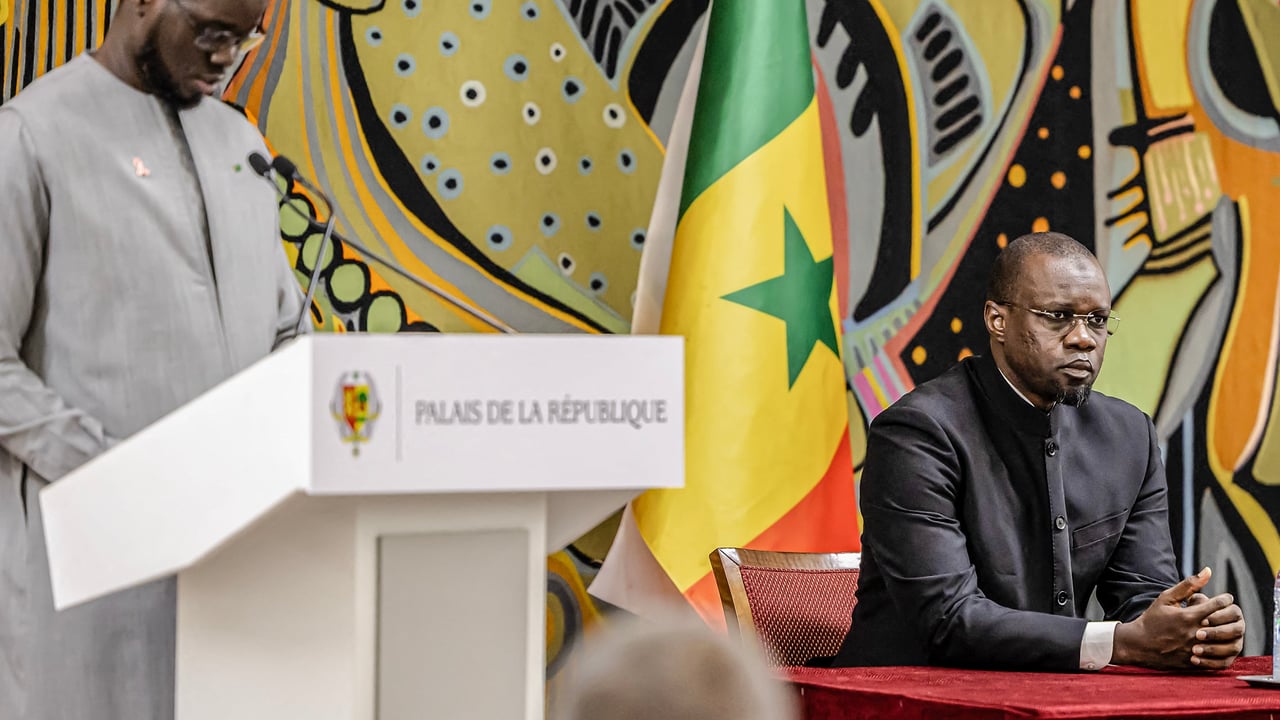

When Bassirou Diomaye Faye took office as President of Senegal in April 2025, he made one thing clear: he has no intention of concentrating all state power in his hands. During a national press briefing that same month, he declared his commitment to reshaping the balance of institutional authority by reforming the country’s constitution. But why would such a move particularly benefit Ousmane Sonko, the political leader who remains a central figure in the country’s public life?
Reform aims: decentralizing power to strengthen governance
The proposed constitutional changes are not just procedural updates—they represent a strategic shift in how Senegal’s executive branch would operate. The President has repeatedly emphasized his vision of a system where key decision-makers—such as directors-general, ministers, and the Prime Minister—are empowered with strong, autonomous leadership.
This approach is rooted in a broader philosophy of shared responsibility and institutional balance. By reducing the concentration of power at the presidential level, the reform seeks to create a more dynamic and responsive government. Yet, this redistribution of authority also opens new opportunities for political allies who may gain greater influence in the reshaped structure.
Sonko’s position: from opposition to potential kingmaker
Ousmane Sonko, leader of the Pastef movement, has long been a polarizing but influential voice in Senegalese politics. His alignment with President Faye’s administration has grown increasingly visible, especially since the 2025 transition. While Sonko maintains his own political base, his association with the ruling coalition suggests a strategic partnership that could be further solidified through constitutional reform.
Under the proposed system, a stronger Prime Minister—potentially aligned with Sonko’s political circle—could emerge as a key figure. This would not only enhance Sonko’s indirect influence over government decisions but also position him as a central player in shaping national policy without holding the presidency himself. In effect, the reform could allow Sonko to exert power through institutional channels rather than electoral competition.
What changes are being considered?
- Enhanced autonomy for ministers and directors-general: Leadership roles would be granted clearer mandates, reducing the President’s direct oversight.
- A strengthened Prime Minister’s role: The head of government could gain more authority in policy implementation and cabinet coordination.
- Redefined presidential powers: The head of state would retain strategic oversight while delegating operational control to other institutions.
These adjustments may appear technical, but their political implications are significant. They could pave the way for a new distribution of influence within Senegal’s political landscape.
Potential outcomes: stability, continuity, or new tensions?
The success of this reform depends on several factors, including legislative approval and public acceptance. Supporters argue that a more balanced government structure will improve efficiency and accountability. Critics, however, warn that decentralizing power could lead to fragmentation or internal rivalries.
For Ousmane Sonko, the benefits are clear: a system where his allies occupy influential positions could reinforce his political standing without requiring him to seek the presidency. This scenario aligns with the President’s stated goal of avoiding a concentration of power, while also creating new avenues for Sonko’s continued involvement in governance.