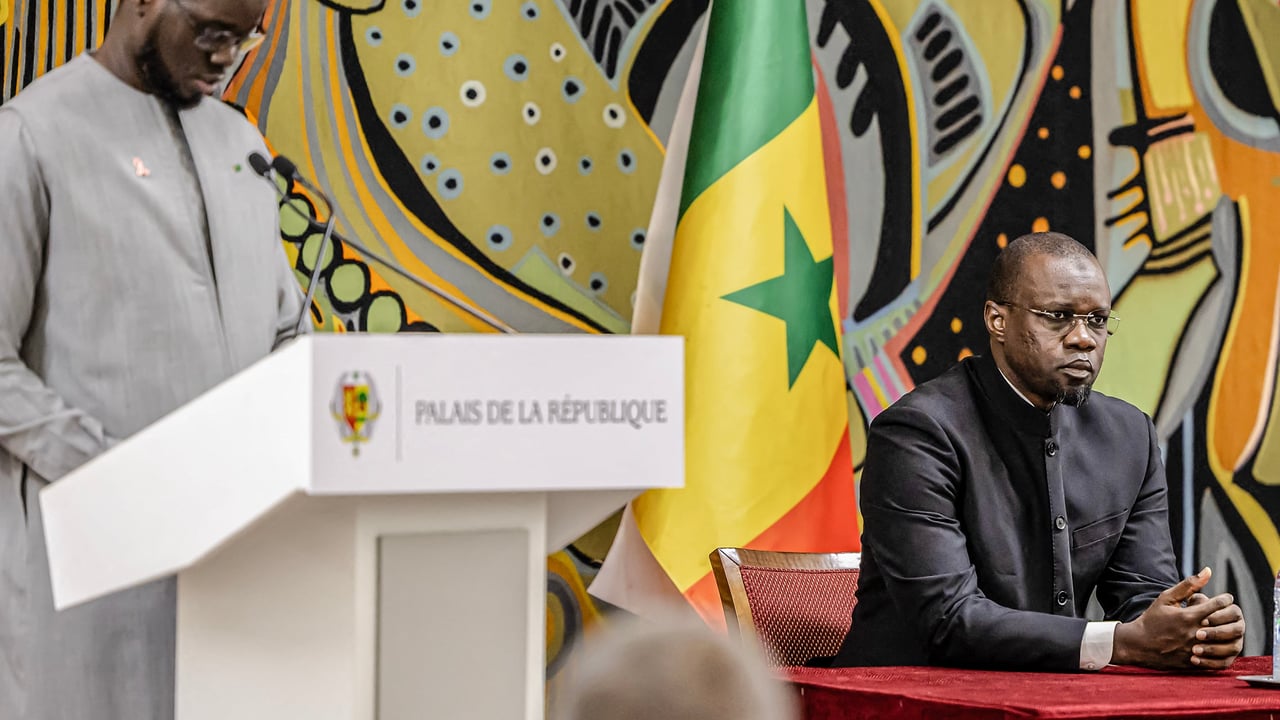

«I want strong CEOs, strong ministers, and a super-strong Prime Minister. I don’t want to be the kind of president who holds all the power.» On April 4, 2025, during a press conference marking National Day, President Bassirou Diomaye Faye made his intentions clear: he plans to overhaul the balance of power between the presidency and other institutions.
Analysts now question whether this constitutional reform could indirectly strengthen the political ambitions of opposition leader Ousmane Sonko, despite the president’s stated goal of decentralizing authority.
Why Sonko’s prospects could improve with constitutional changes
The proposed overhaul aims to reduce the president’s executive powers while reinforcing the roles of government institutions. One key proposal involves shifting the selection of the Prime Minister from presidential appointment to parliamentary approval—a move that could reshape the political landscape.
Under the current system, the president holds significant influence over the appointment of the Prime Minister. However, if the reform passes, the National Assembly would gain the authority to approve the Prime Minister’s selection. This could create new opportunities for opposition parties, particularly if they secure enough seats in future elections.
Ousmane Sonko, leader of the Pastef party, has consistently advocated for greater checks on presidential power. His party’s growing influence—especially after the 2024 elections—positions him as a potential beneficiary of these changes. If the reform is implemented, Sonko could leverage his parliamentary strength to shape the government’s direction, potentially positioning himself as a future Prime Minister or key decision-maker.
Potential risks for the ruling coalition
While President Faye’s reform seeks to promote institutional balance, it also introduces uncertainties. A more independent Prime Minister could challenge the president’s agenda, particularly if opposition parties hold significant influence in the Assembly. This dynamic could force the ruling coalition to negotiate more frequently with rival factions, complicating governance.
Moreover, the reform’s success hinges on broad political support. If opposition parties, including Sonko’s Pastef, gain the upper hand in parliamentary negotiations, they could push for policies that align more closely with their priorities—potentially reshaping Senegal’s political trajectory in the coming years.